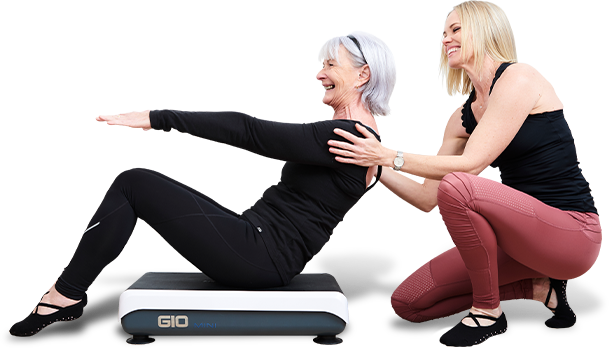
If you are someone who has recently stumbled upon the term “vibration therapy”, it is only natural to assume that this is a recent phenomenon. But the truth is that this type of therapy has been used for many decades by medical practitioners to treat a variety of different types of physical conditions.
It’s only recently that the science behind it is gaining traction, with a lot of positive results and conclusions being arrived at. So, for those of you who are new to vibration therapy and you’d like to find out more about what it is, what it’s used for, what its benefits and potential downsides are, as well as the science behind it, keep reading below.
Many people ask the question: what does vibration therapy do? In short, this type of therapy is a way of forcing muscles to relax and contract at much faster rates than regular exercise or physical activity enables them to do. This is done by the transmission of gentle vibrations that pulse throughout the entire body. As such, these vibrations stimulate muscle activity and because of this, blood flow is increased. Why is this important? Because blood flow to areas that are in need of healing get the desired nutrients from the blood to ensure that the healing process is accelerated.
But that’s not all. There are also vibrations – as part of whole-body vibrations – that promote the production of osteoblasts. These are critical for bone growth and repair. And if that’s not enough, vibration therapy further promotes pain relief without shocking the body in ways that may seem unnatural and uncomfortable.
Stated differently, the methodology and therapy provide anabolic mechanical signals to the bone and musculo-tendinous system through low-intensity stimuli which are provided at high frequencies. All that you would need to do is either sit, stand, or lie down on the vibrating platform (while being still or exercising at the same time) while enjoying the gentle frequencies of the pulses or stimuli, which have a non-shock-like nature. In essence, the entire body’s muscular system is affected, making for a highly effective treatment option for multiple conditions.
It is a non-invasive method to promote body healing and alleviate temporary or chronic conditions and has numerous other health benefits, which we will cover below.
Whether you are an older adult suffering from an injury or an athlete who would like to boost their physical performance, whole-body vibration therapy is great for almost everyone. (To find out who is not suitable for vibration therapy, take a look at the section below).
Ultimately, because this type of therapy stimulates your muscles, making them work at a much faster rate, you are likely to see gains and results up to two times faster than a regular workout would provide.
So, without further ado and as promised, here is a non-exhaustive list of benefits that you will experience with whole-body vibration therapy:
In terms of performance, this therapy can help with:
Some of the more common health conditions that have seen positive results of whole body vibration include: Parkinson’s disease, cerebral palsy, rheumatic conditions (fibromyalgia and rheumatoid arthritis), lymphatic drainage, osteoporosis, (knee) osteoarthritis, lower back pain, chronic pain conditions, mastectomy pain, and cystic fibrosis.
Of course, there may be some risks involved and you would be correct to ask what are the risks of vibration therapy. The risks of this therapy will depend on the frequency of the vibrations, the level of intensity, and the duration of us. The higher the frequency and intensity of the stimuli and the longer they are used for, the more negatives a person is likely to experience.
It’s interesting to note that people whose work depends on using vibrating tools such as jackhammers or others often tend to develop whole-body vibration syndrome, owing to overexposure.
As such, the hazards of prolonged vibration may include:
Therefore, patients for who this type of therapy is not suitable include those who are:
Before we get into the science behind vibration therapy, it’s also important to briefly look at its history. First up, we have neurologist Jean-Martin Charcot who in 1982 created a shaking chair after noticing improvements in his patients with Parkinson’s disease after prolonged train rides. After this, his student Georges Gilles de la Tourette published data on vibrations for relieving migraines.
About half a century later in 1949, we have Whedon who created an oscillating bed for patients in whole-body casts. This has important physiologic and metabolic results. It would then be a couple of decades later in the 1960s when vibration was used in space travel to help astronauts avoid losing bone and muscle density while in space. The results were astounding: astronauts could stay in space for 420 days as opposed to 120 days without vibration.
And today, we have whole-body vibration plates for vibration therapy that help alleviate pain transmission and many other symptoms. These are used in both clinical settings as well as in the comfort of your own home for many of the benefits mentioned above.
Final thoughts
Now that you know more about vibration therapy and its benefits, it’s also worth knowing that you can also enjoy these in the comfort and convenience of your own home. As a low-impact activity on one’s joints, it’s perfect whether you’re an athlete and would like to get into better shape or you’re experiencing a range of either chronic or non-chronic medical issues. The science behind this therapy shows that although more research still needs to be done, research carried out so far indicates a wealth of benefits as opposed to risk factors and it’s worth considering taking it up as an exercise alternative or for health reasons.
Resources:
https://www.healthline.com/health/vibration-therapy#TOC_TITLE_HDR_1
https://pubmed.ncbi.nlm.nih.gov/24689133/#:~:text=Cutaneous%20vibration%20is%20able%20to,with%20center%2Dsurround%20receptive%20fields.
https://www.ncbi.nlm.nih.gov/pmc/articles/PMC3688642/#:~:text=Vibration%20is%20a%20known%20to,including%20musculoskeletal%2C%20circulatory%20and%20nervous.


In the realm of fitness and weight loss, the vibration...

Taking into consideration the growing popularity of the vibration plate,...

The lymphatic system, also called the lymphoid system, is an...

Most probably you are already familiar with the body vibration...
The lymphatic system (or lymphoid system) is a complex network...
Neurological disorders are medical conditions that impact the central and peripheral nervous systems. That includes the spinal cord, brain, peripheral...
Painful joints, limited mobility, and reduced quality of life - are some of the most common characteristics of arthritis. The...
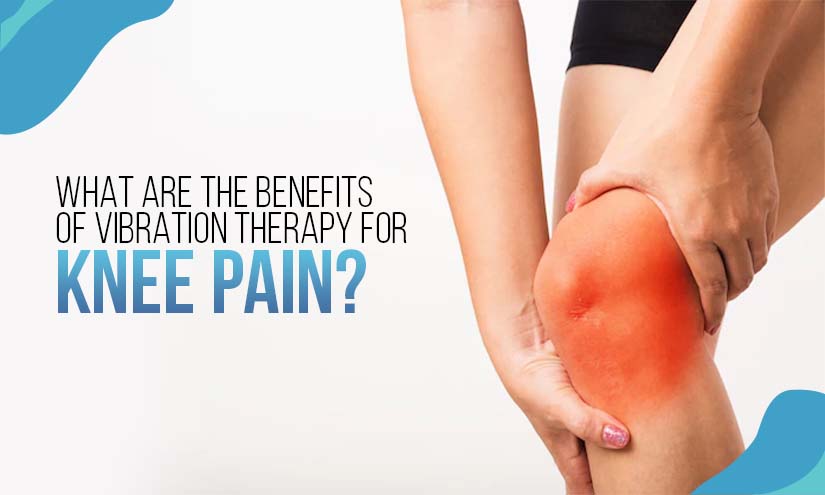
Lately, vibration therapy has been gaining quite a momentum. And for a good reason - the ever-growing scientific data on...
Vibration therapy (VT), commonly referred to as whole-body vibration (WBV), is a type of exercise that uses high-frequency vibrations at...
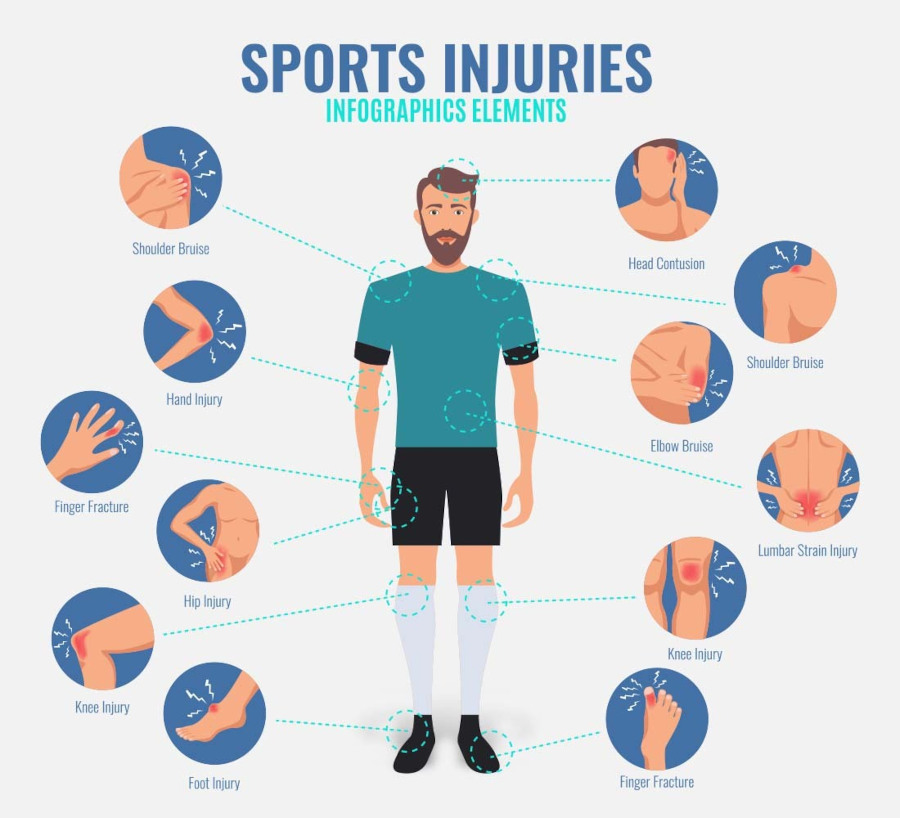
Nowadays, the competitive sport has evolved to cosmic levels. New research is done daily, novel supplements are tested each week...
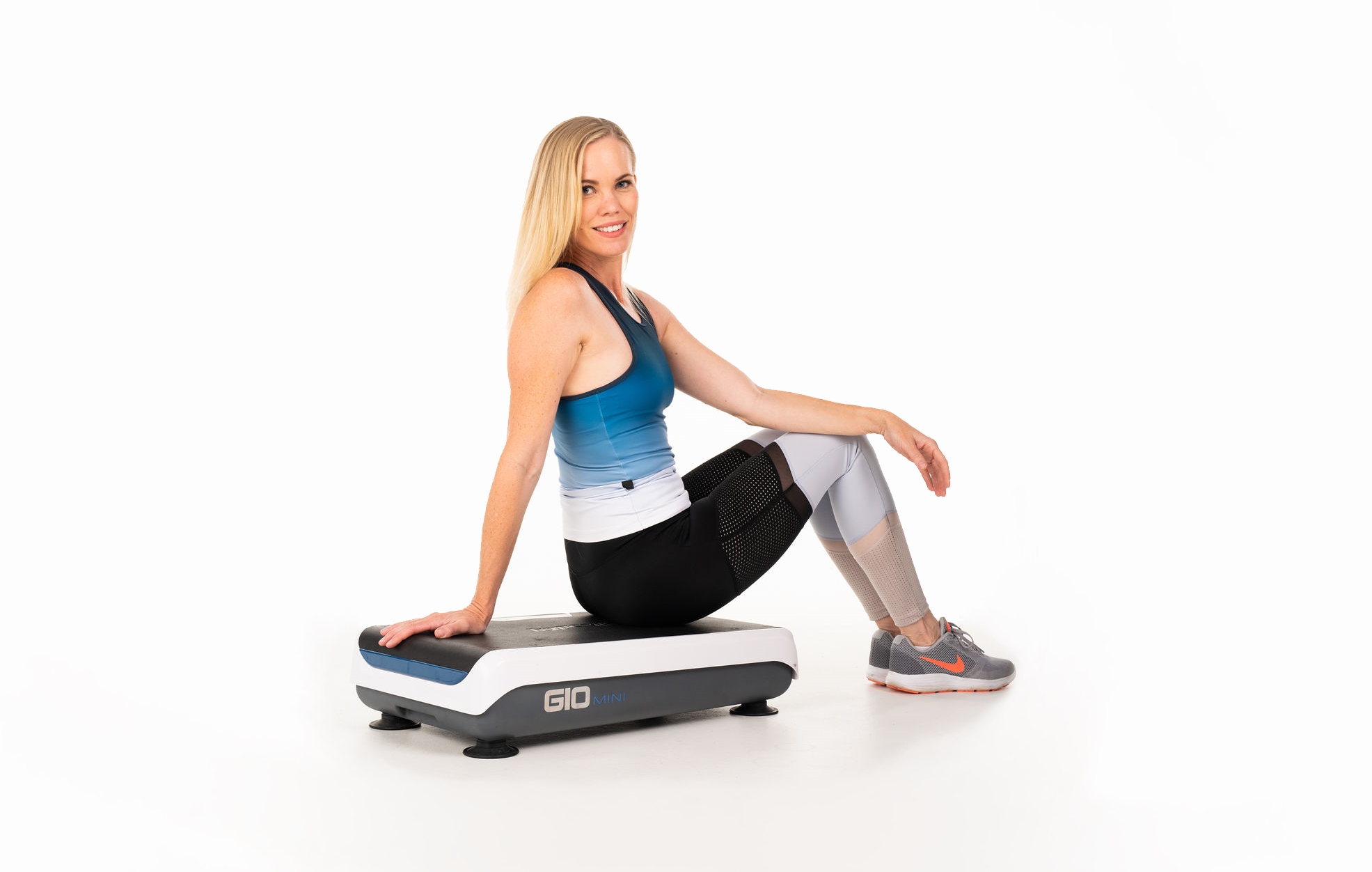
Multiple sclerosis affects 1 in 1000 people, the causes of this chronic autoimmune disease being unknown. Attributed to an abnormal...

In the realm of fitness and weight loss, the vibration...

Taking into consideration the growing popularity of the vibration plate,...

The lymphatic system, also called the lymphoid system, is an...

Most probably you are already familiar with the body vibration...

The lymphatic system (or lymphoid system) is a complex network...