
$3,999.00
Shop Now
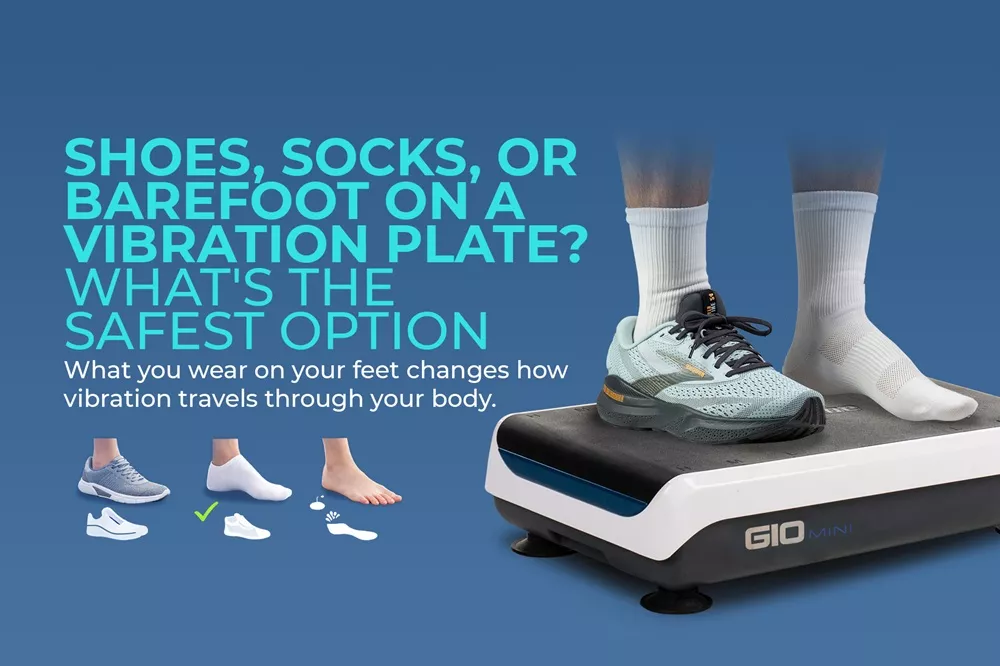
You can use a Vibration Plate with athletic shoes on, while wearing “grippy socks,” or while barefoot.
For most beginners, it’s best to start with athletic shoes for added traction and support.
Then, explore less padding with either bare feet or grippy socks.
It may be helpful to start at a lower intensity or shorter intervals to establish comfort.
It’s common to experience increased blood flow to the extremities and associated itchiness.
If there’s pain, numbness, or swelling, adjust your program or take a break entirely.
If you have any serious conditions such as neuropathy, it may be best to stick with shoes.
Ultimately, many users prefer going barefoot because the direct contact enhances their muscle, bone, and nervous system responses.
Starting Points by Situation


When using a Vibration Plate for Whole Body Vibration (WBV) training,
footwear changes how the vibration feels,
how stable you are, and how comfortable your session is.
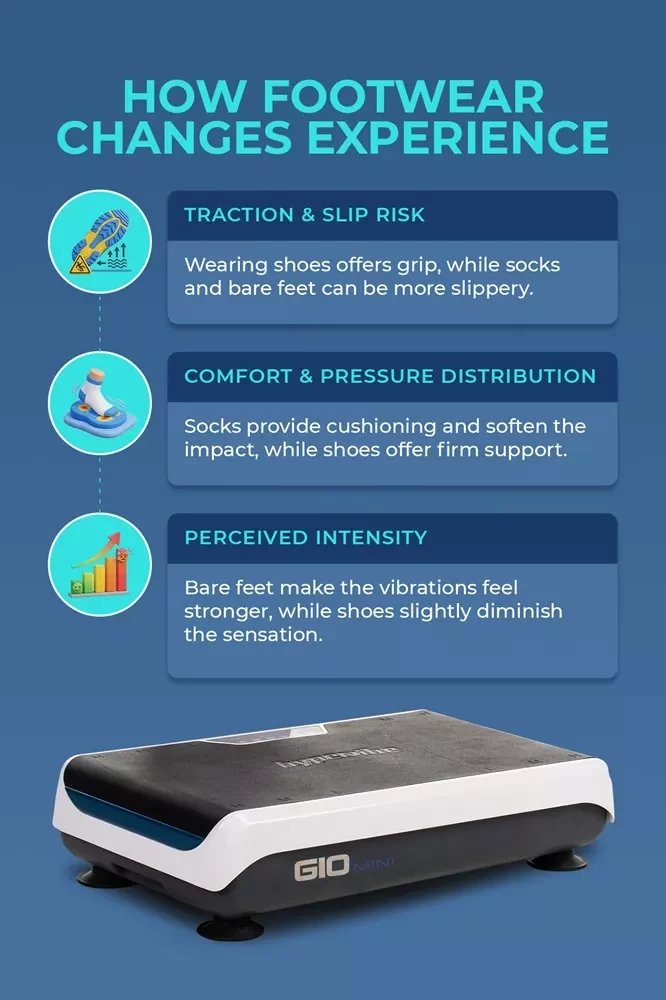
Analysis of how different footwear choices alter the sensation and grip during a vibration plate session.
This is the most important factor when using a Vibration Plate.
Vibration creates rapid micro-movements between your feet and the platform.
If traction is poor, you may:
Supportive athletic shoes typically provide the most reliable grip, especially for beginners or during dynamic exercises.
Barefoot can work well if the plate surface provides good friction and you’re positioned well.
Slippery socks, sandals, or loose footwear increase fall risk and should be avoided.
Lower body Vibration Plate exercises transfer intermittent forces through the soles of your feet.
That means pressure points (“hot spots”) can develop, especially:
Shoes distribute pressure more evenly, which can reduce “hot spots” during longer sessions.
Barefoot training increases sensory feedback, which some users enjoy, but it can feel intense at first.
If you notice sharp pressure points or lingering tingling, reduce time or intensity, or consider adding cushioning such as a yoga mat.
Many people say shoes “dampen” the vibration.
While they do reduce the forces on the body, shoes do not stop Vibration Therapy from working.
With shoes:
With bare feet:
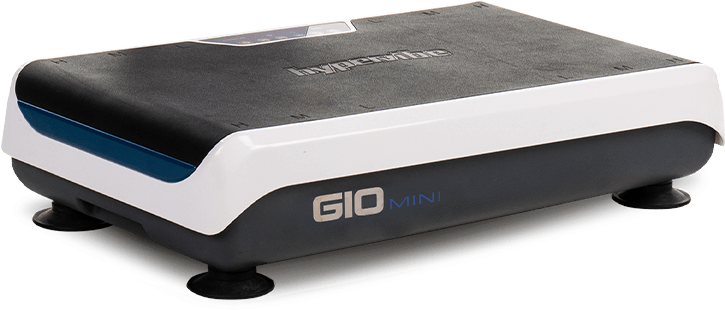


Most people don’t need special gear.
A simple pair of sport shoes (sneakers) is enough.
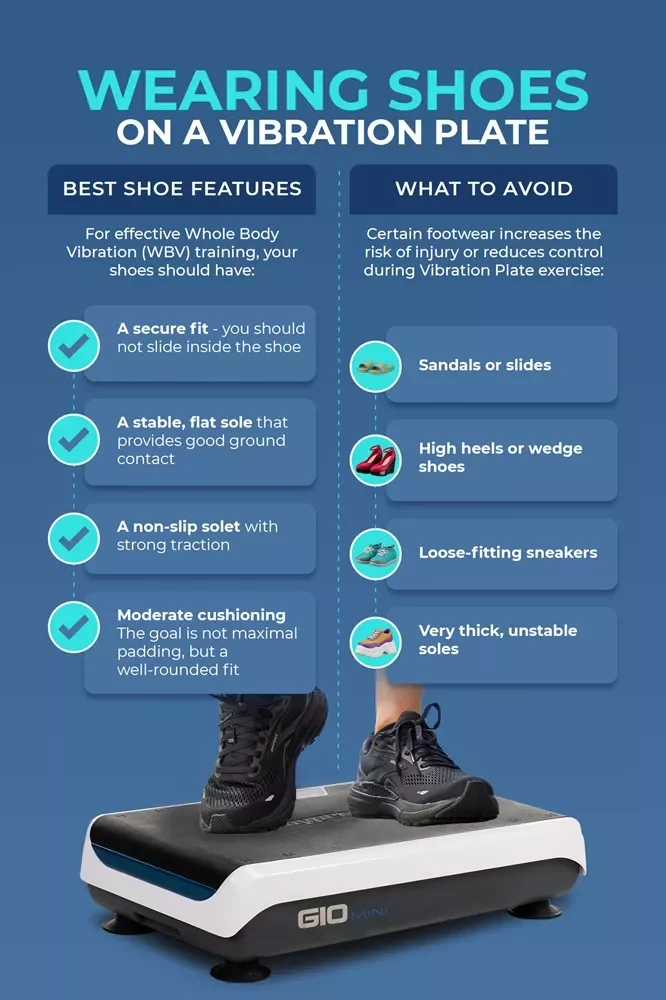
A comprehensive guide on selecting the right footwear for Whole Body Vibration (WBV) training to ensure safety and stability.
For effective Whole Body Vibration (WBV) training, your shoes should have:
The goal is not maximal padding, but a well-rounded fit
What to Avoid
Certain footwear increases the risk of injury or reduces control during Vibration Plate exercise:
Being barefoot is desirable because it improves the overall effects.
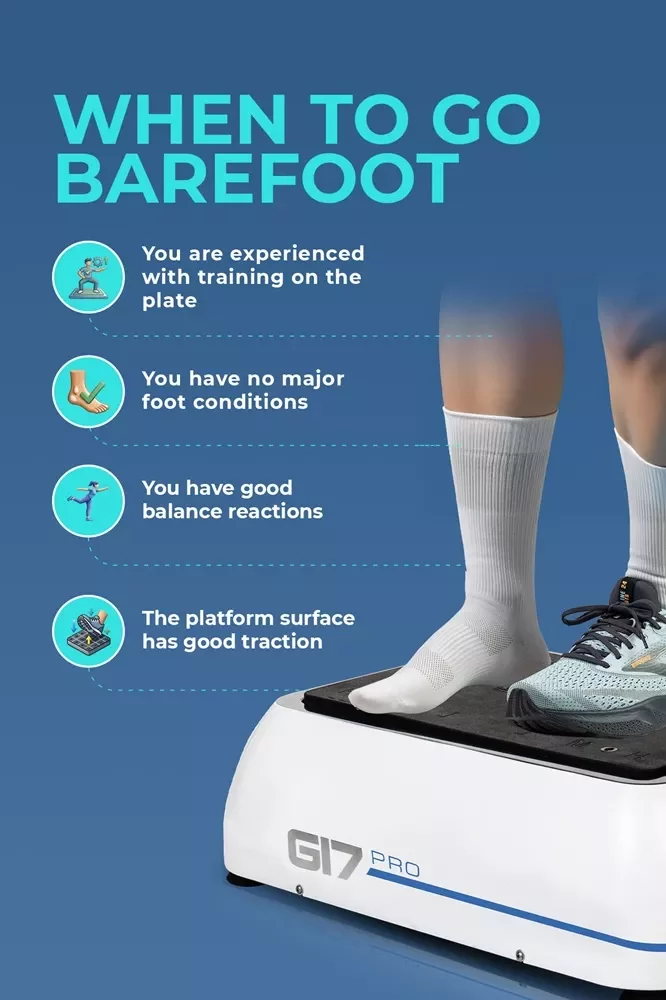
Key considerations to determine if you are ready to use a vibration plate without shoes.
Going barefoot during Whole Body Vibration (WBV) training may be appropriate if:
Without shoe cushioning, you receive more direct sensory input through the soles of the feet.
Some users prefer this because it increases body awareness.
If you choose barefoot Vibration Therapy, use this structured approach:
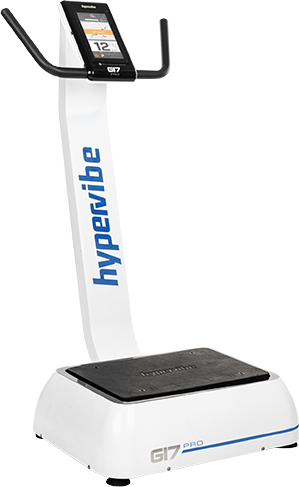
Rather than forcing users to adapt to harsh, fixed-setting vibration, Hypervibe platforms are designed around precision, progression, and comfort.
That makes them suitable whether you choose shoes, barefoot, or grippy socks.
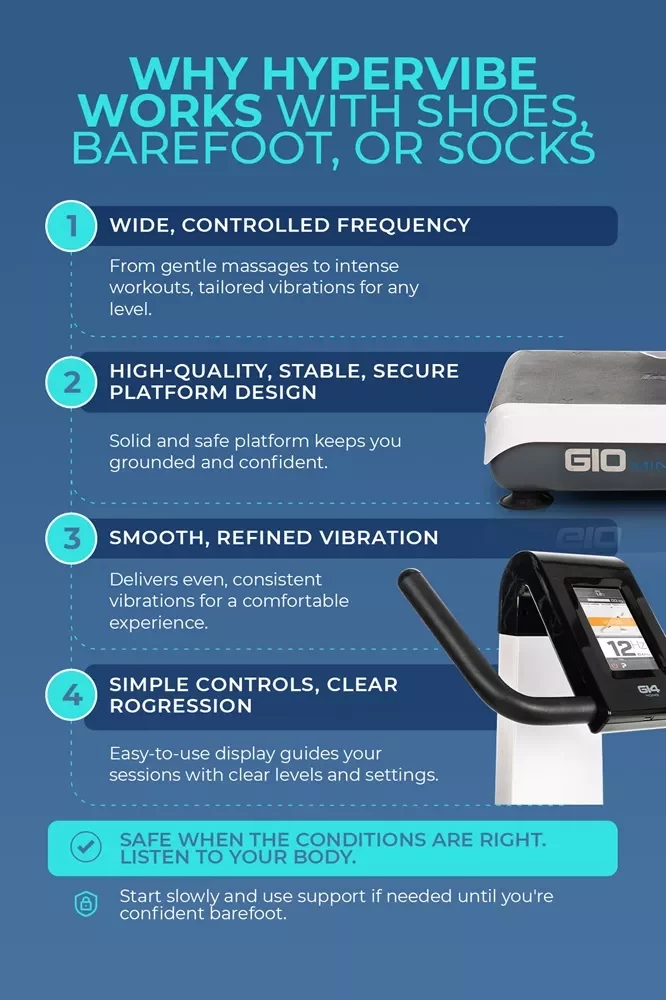
Understanding the technology that makes Hypervibe safe for use with shoes, socks, or bare feet.
Many consumer Vibration Plates start too strong.
Hypervibe allows very low starting settings, making it appropriate for all types of users. You can gradually increase settings as you gain experience.
Footwear only works if the plate also provides stability.
Hypervibe offers a large, non-slip platform with a solid build and wide weight capacity.
This allows confident foot placement and reduces unnecessary bracing.
Hypervibe is a well-controlled pivotal (oscillating) system.
There’s no harsh, erratic movement.
This reduces heel and forefoot hot spots, minimizes jarring in the body, and makes training easy.
Clear settings and intuitive controls make it easy to adjust intensity gradually instead of overcorrecting.
You can fine-tune your session before changing footwear, ensuring steady, intentional progression.
No, you do not have to wear athletic shoes on a Vibration Plate.
Most people can use a Vibration Plate with athletic shoes, barefoot, or with grippy socks.
However, beginners and those doing higher-intensity Whole Body Vibration (WBV) training often feel more comfortable in supportive shoes.
Yes, as long as it’s well tolerated.
Going barefoot offers the widest range of benefits to you.
Socks can work, but always ensure traction.
Smooth socks may increase slipping, while grippy socks provide better stability during Vibration Therapy sessions.
Footwear does not stop the Vibration Plate from working, but it can change how the vibration feels.
Shoes may slightly reduce surface sensation, while barefoot training feels more direct. Muscle activation still occurs in both cases when positioning is correct and training intensity is appropriate.
The safest way to start is with stable athletic shoes, short sessions, and conservative settings.
As comfort and balance improve, you can experiment with barefoot or grippy socks and longer, harder sessions.
Ready to start?
If you want to get the most from your Vibration Training sessions:

Here’s how we use a vibration plate for weight loss...
If, a few minutes into your session on the vibration...
Are vibration machines bad for you? Yes, if used incorrectly....
Yes, Vibration Plates or Whole Body Vibration (WBV) platforms, promote...
Most people get the best results using a vibration plate...

If you are one of those people who have tried every exercise routine and gym machine under the sun without...
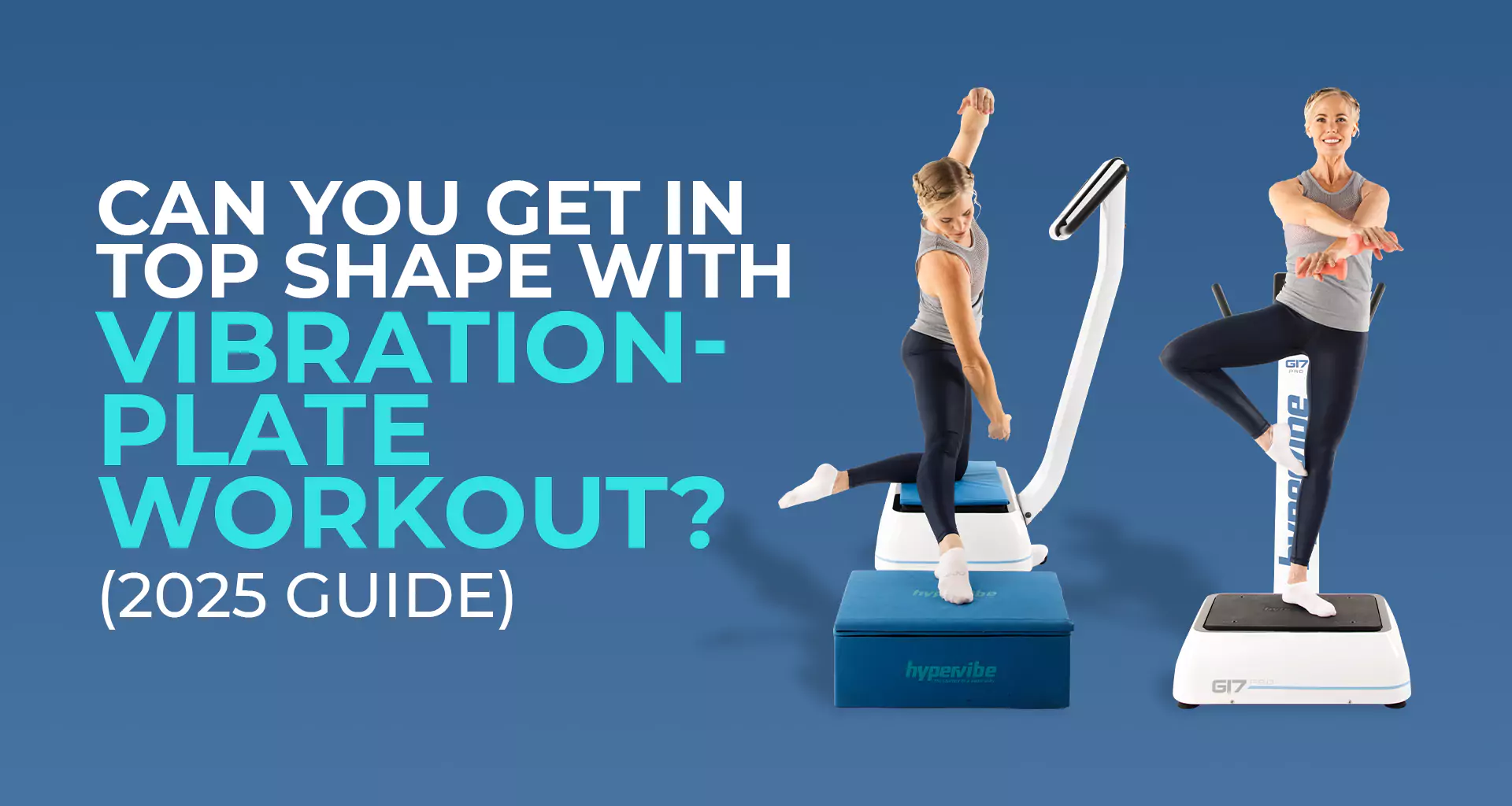
Can You Get In Top Shape With a Vibration‑Plate Workouts? Yes. When we put clients on a vibration plate consistently...
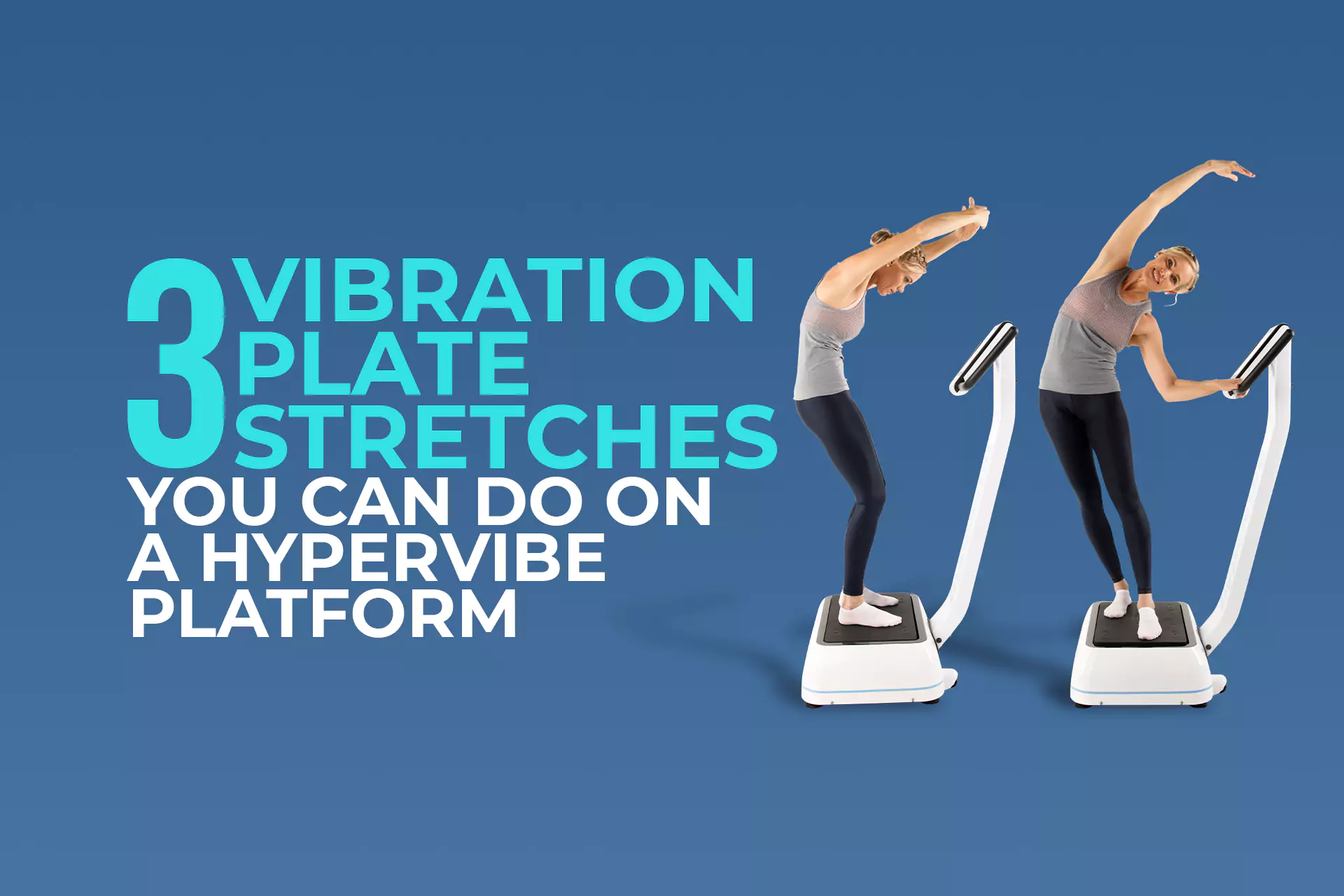
Three effective Vibration Plate stretches you can do include Low Back-Hamstring-Calf Combo Stretch (Posterior Chain Stretch) Hip Flexor Stretch Cat-Camel...
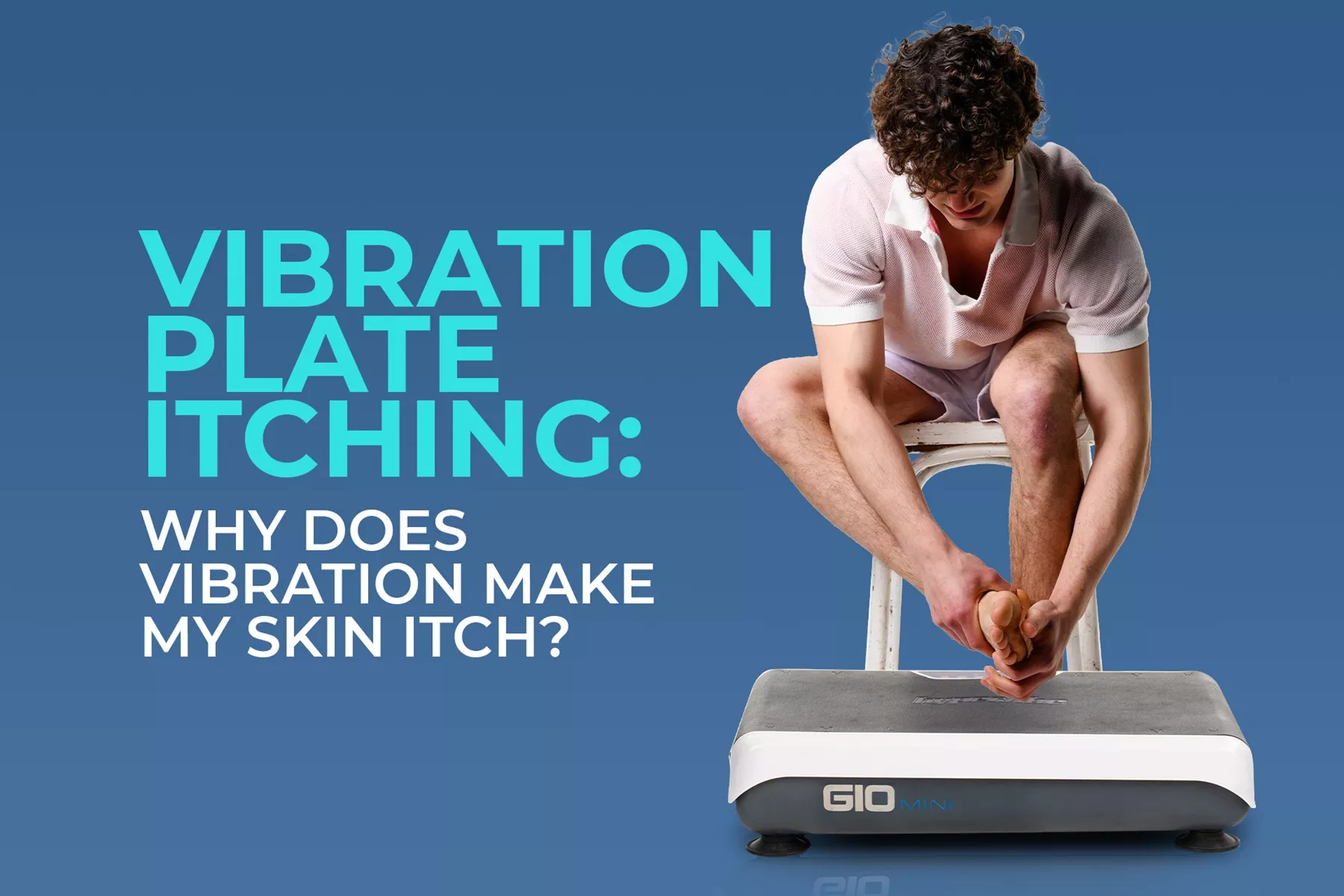
If, a few minutes into your session on the vibration plate, you feel a tingling, a prickling sensation, or simply...
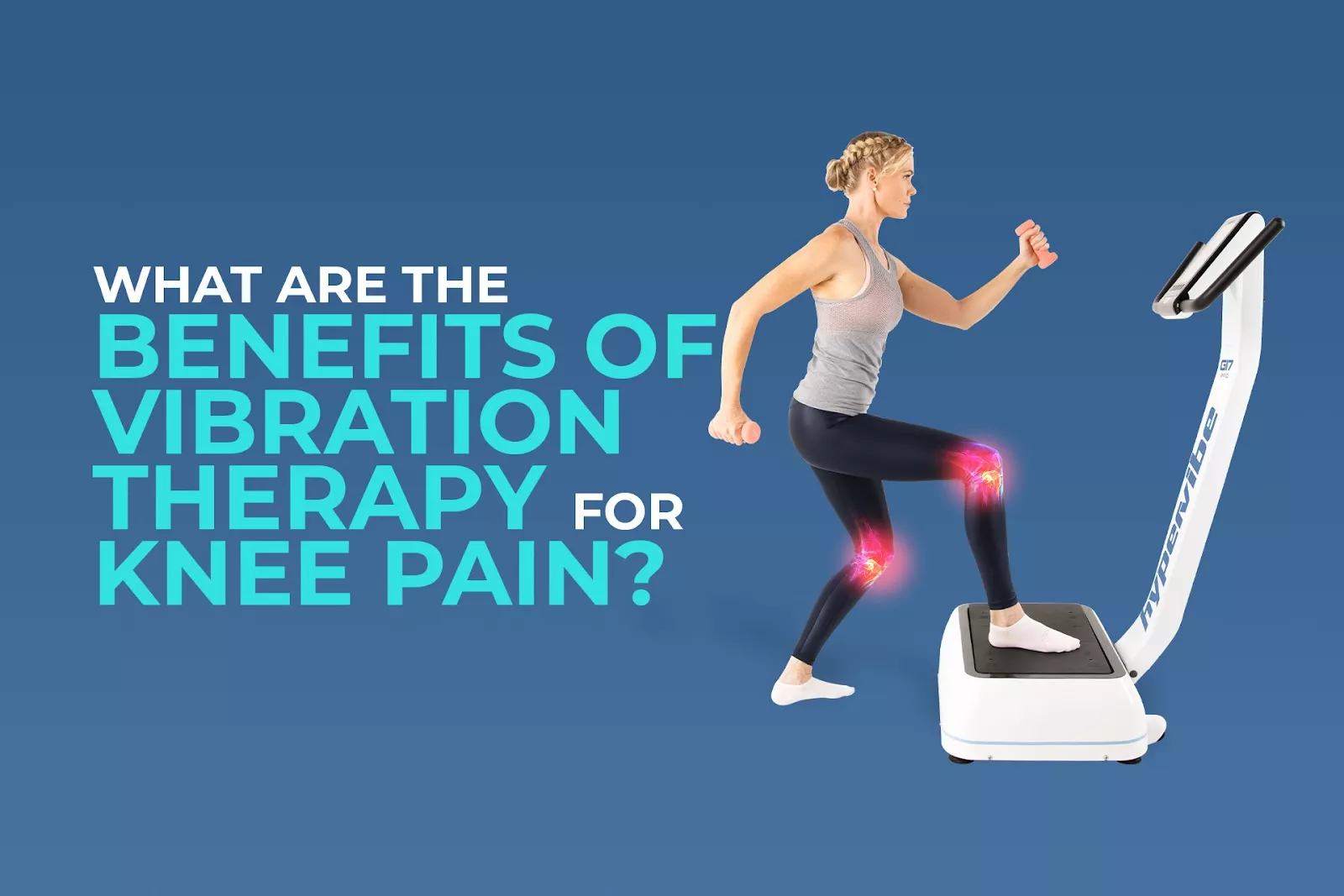
Is vibration plate good for knee pain? or, Can vibration plate help knee pain? Yes. Whole Body Vibration (WBV) reduces...
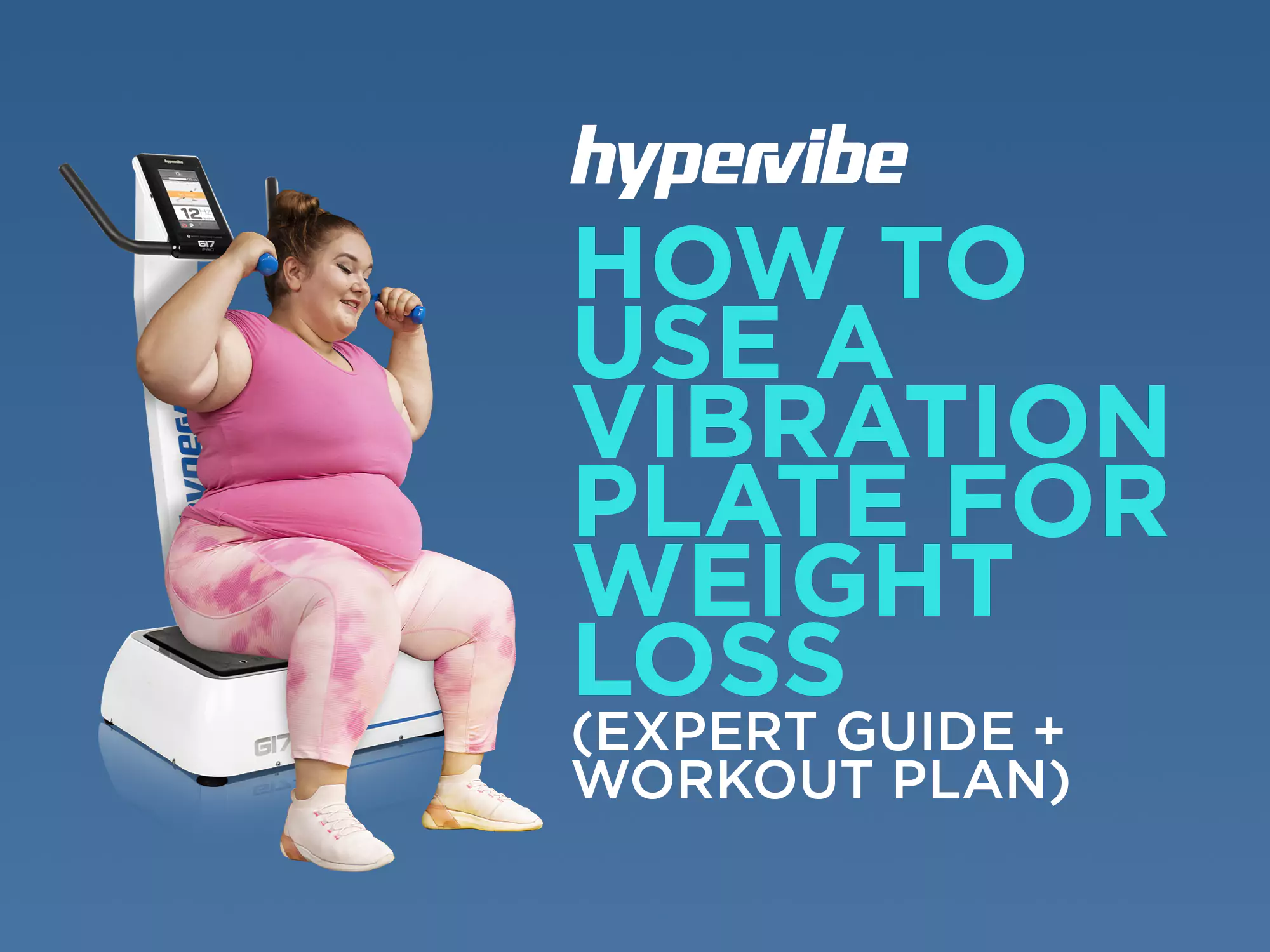
Here’s how we use a vibration plate for weight loss with our clients: we demonstrate and coach them to stand,...
Here’s how we use a vibration plate for weight loss...
If, a few minutes into your session on the vibration...
Are vibration machines bad for you? Yes, if used incorrectly....
Yes, Vibration Plates or Whole Body Vibration (WBV) platforms, promote...
Most people get the best results using a vibration plate...