
$1,799.00
Shop Now
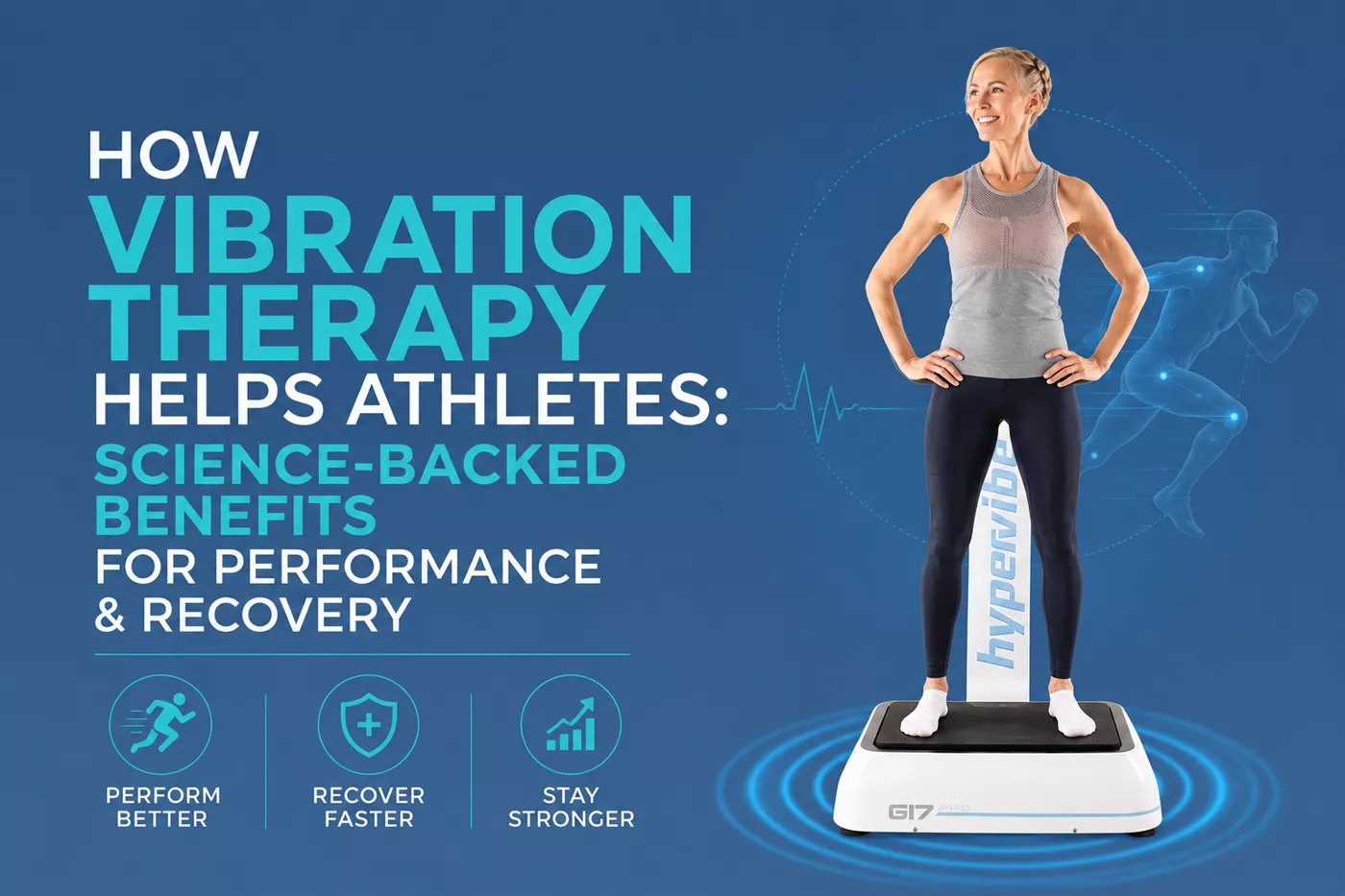
Can athletes benefit from using vibration platforms? Yes.
Vibration platforms are scientifically validated performance and recovery tools for athletes.
Also known as Whole-Body Vibration (WBV) platforms, these advanced training tools are actively used by professional athletes and sports medicine practitioners to:
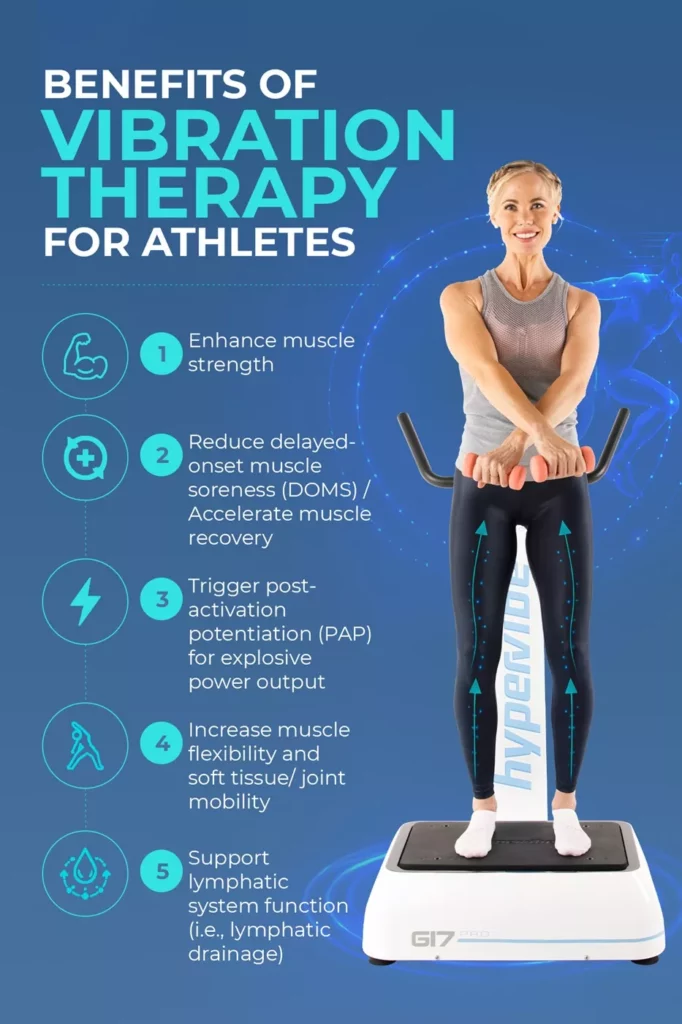
Five key ways vibration therapy supports athletic performance, muscle strength, and lymphatic drainage.
This guide draws on peer-reviewed clinical evidence and reflects protocols used in professional sports environments to support athletes with Vibration Therapy.


Elite athletes need strategic recovery plans between training sessions, competition days, and tournament schedules.
Vibration Therapy for muscle recovery has become a standard part of that strategy, used at the pre-game, post-game, and between-session stages to keep the body performing at its peak.
During high-output training, sprinting, heavy lifting, and multi-sprint sports, your muscles accumulate metabolic byproducts, primarily lactic acid and other waste metabolites.
Simultaneously, microtears occur in muscle fibers, triggering an inflammatory response that, if left unmanaged, impairs both recovery speed and subsequent performance.
Historically, stretching and foam rollers after training have been the default response.
While they reduce tissue tension, they don’t move waste products with high efficiency.
Whole Body Vibration (WBV) may expedite recovery by reducing muscle soreness and improving metabolic waste clearance from muscles after intense exercise, a mechanistically distinct process from passive rest, static stretching, or physical rolling.
When you stand on a vibrating platform during a post-exercise cool-down, the vibrations drive continuous, involuntary muscle contractions against increased gravitational loads (G-forces).
This sustained stimulation of blood vessels in muscles improves lactic acid oxidation and helps maintain blood flow, actively moving metabolic waste out of the tissues rather than letting it pool.
After acute joint injuries like ACL tears, the nervous system involuntarily reduces muscle activation signals, a reflex called arthrogenic muscle inhibition (AMI).
The result is rapid muscle wasting that can persist for years.
Quadriceps strength deficits of 2–20% have been documented over two years post-ACL reconstruction, significantly contributing to knee osteoarthritis risk and delayed return to sport.
Conventional resistance training helps but can easily place unwanted stress on healing tissue, a critical limitation early in recovery.
For this reason, rehab protocols are often conservative.
WBV offers a safer alternative.
A randomized controlled trial found that a WBV protocol starting two weeks post-ACL surgery matched standard rehabilitation on strength and knee function scores in less than half the total exercise time while producing significantly better stability results.
ACL injuries also reduce mechanoreceptor-driven sensory input to the brain.
Adding WBV to exercise therapy enhances motor cortical excitability at both spinal and supraspinal levels, restoring communication.
Chronic ankle instability (CAI) is widely under-rehabilitated in sports.
The ligament heals, but the proprioceptive system often doesn’t.
CAI causes a measurable decrease in joint position sense, reducing dynamic balance and ankle reaction time during exercise.
Vibration Therapy leads to more effective proprioceptive feedback and improved active ankle protection.
In addition, any position held on a vibrating platform demands continuous co-activation of the transverse abdominis, multifidus, and internal obliques.
These are deep stabilizers governing lumbar spine stability and lower-to-upper body force transfer, which improves core postural control and stability.
Beyond recovery, WBV also plays a role in managing common running-related injuries.
Conditions such as achilles tendinopathy, shin splints, and plantar fasciitis are typically driven by repetitive mechanical overload.
WBV can help maintain muscle activity, improve flexibility, and support circulation, all while minimizing the impact forces that often delay recovery.
Additionally, research shows that vibration training can produce improvements in pain, strength, and bone density, while offering a more tolerable option during acute flare-ups.
This can also help boost running endurance when these factors play a role in performance.

Endurance athletes maintaining focus and pacing during a marathon.
DOMS is a common non-structural muscle injury that can disrupt training and impair performance in elite athletes.
In tournament settings where athletes compete in sequential matches or games, its effects are cumulative.
DOMS can cause:
The soreness itself peaks between 24 and 72 hours after exercise and is driven primarily by inflammatory mediators, prostaglandins, and cytokines that sensitize local pain receptors following exercise-induced muscle damage.
A meta-analysis of 10 randomized controlled trials involving 258 participants found that vibration significantly reduced muscle pain at 24, 48, and 72 hours post-exercise, with peak pain relief occurring at 48 hours.
The same analysis showed that vibration also significantly reduced creatine kinase (CK) levels.
This is a direct blood marker of muscle fiber damage at 24 and 48 hours following exercise.
Lower CK values mean less structural muscle breakdown.
Less muscle breakdown means faster restoration of strength, power output, and neuromuscular function.
Vibration Therapy also increases proprioceptive neuromuscular function, stimulates potential hormonal responses that reduce pain, and improves mood, all of which contribute to a faster return to baseline performance.
For athletes in the injury-rehabilitation phase or those managing soft tissue stress from repetitive loading, the lymphatic and circulatory effects of WBV can offer relief.
The lymphatic system is the body’s primary waste-removal network for interstitial fluid, inflammatory byproducts, and cellular debris following tissue stress.
Unlike the cardiovascular system, the lymphatic system has no pump; it is entirely dependent on mechanical movement (muscle contractions and external pressure) to propel lymph fluid through its vessels.
When an athlete is injured or sedentary, lymphatic flow stagnates.
Fluid accumulates in the interstitial space, prolonging inflammation and delaying tissue repair.
Vibration Therapy has been shown to potentially improve blood flow, supporting reduced inflammation and aiding in the removal of metabolic waste from damaged tissue.
| Panel 1 — Before (Post-Exercise) | Panel 2 — After (Post-WBV Session) |
| Congested blood vessels (dark/sluggish arrows) | Dilated vessels with active blood flow (bright/fast arrows) |
| Pooled lactic acid markers in muscle tissue | Cleared lactate, labels indicating oxidation/liver redistribution |
| Stagnant lymph vessels with fluid accumulation | Active lymph flow with interstitial fluid moving outward |
| CK enzyme release icons at micro-tear sites | Reduced CK, repair cytokines visible |


To understand how WBV produces strength gains without heavy loading, you first need to understand how it offers resistance.
What’s called G-force.
To understand G-force, take Newton’s second law as it applies to the human body: Force = Mass × Acceleration.
In conventional strength training, you increase force by adding more mass (load).
On a vibration platform, the machine increases the acceleration factor (increased G-force) instead.
Your neuromuscular system responds as if the gravitational demand has multiplied.
The mechanical action of vibration also causes changes in the length of the muscle-tendon complex, which in turn are detected by sensory receptors that modulate muscle contraction through reflex muscular activity via the stretch reflex loop and activation of the muscle spindles.
The repeated contractions against the increased G-force caused by the platform’s vibrations produce a significant training stimulus, making 10–15 minutes on a high-spec platform a time-efficient and joint-friendly alternative or complement to traditional power training.
If your vertical jump has plateaued despite consistent squatting and plyometric work, the problem might be neuromuscular priming.
The nervous system isn’t producing peak force output when needed.
PAP enhances performance by triggering neuron activation, enhancing the contractile capability of muscle fibers, and increasing central nervous system excitability.
This produces a short-term spike in force output that makes subsequent explosive movements measurably more powerful.
WBV is one of the clinically recognized protocols for inducing this state.
According to research, an acute bout of WBV significantly elevates muscle twitch peak force and rate of force development within 90 seconds, outperforming both a static squat without vibration and stationary cycling.
In a separate trial, WBV significantly potentiated both power output and vertical jump height in national-level athletes, leading researchers to recommend its use as a pre-competition primer for explosive events.
The optimal performance window sits roughly 4–8 minutes post-exposure.
For Hypervibe users, a static squat or lunge at the appropriate frequency may achieve this priming stimulus efficiently, with explosive work to follow in that window.
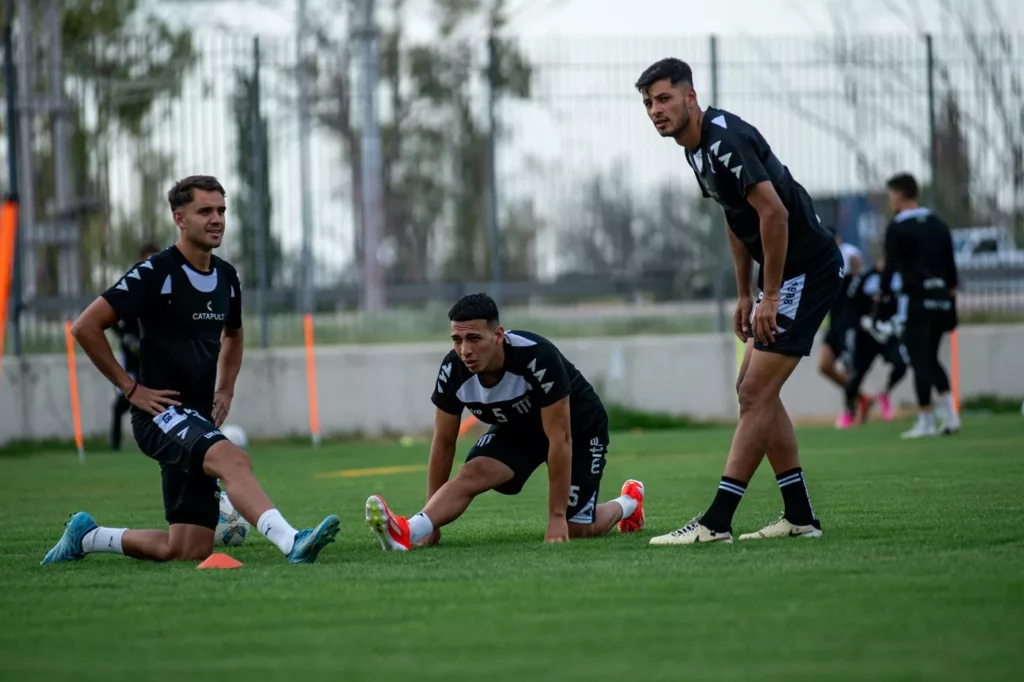
Professional athletes engaging in flexibility strategies and warm-up routines before a match.
For coaches and sports medicine practitioners, warm-up protocol design is a performance variable.
There are several strategies that athletes may use.
Static stretching performed as part of a warm-up immediately prior to exercise has been shown to be detrimental to dynamometer-measured muscle strength and performance in running and jumping,
with this loss of strength termed stretch-induced strength loss.
Prolonged passive stretching temporarily desensitizes muscle spindles and reduces the reflex contractile readiness of the muscle-tendon unit.
A meta-analysis of 16 studies found that static stretching in the warm-up produced a negative tendency in vertical jump height,
while dynamic stretching produced an improvement, with statistically significant differences between the two approaches.
Dynamic warm-ups have gained traction as a preferred warm-up approach over static stretching due to increased potential to improve athletic performance and reduce injury by enhancing the musculoskeletal, neurological, cardiovascular, and psychological systems before performance.
Improvements have been observed in sprint time, vertical jump height, and explosive lower-limb performance in sessions lasting 7 to 10 minutes.
However, dynamic stretching depends on the athlete’s own effort, movement quality, and fatigue state to produce the desired neuromuscular response.
A fatigued athlete moving through dynamic warm-up exercises at suboptimal speed and effort produces a suboptimal stimulus.
It also does not directly address the neuromuscular system at the reflex arc level.
Performing stretches on a vibrating platform fundamentally changes the physiological response compared to the same stretch performed on a stationary surface.
The mechanism is based on several factors including the tonic vibration reflex (TVR) and stretch reflex sensitization that drives strength and PAP benefits.
It also includes the massage effects on tight connective tissues.
In a direct four-way comparison study on well-trained combat athletes, WBV at 30 Hz produced flexibility improvements that were maintained across a 15-minute recovery period.
This is comparable in magnitude to both local vibration and traditional static and dynamic stretching, while providing the additional neuromuscular activation benefits that stretching-only protocols do not offer.
| Static Stretching | Dynamic Stretching | WBV Warm-Up | |
| ROM improvement | Yes | Yes | Yes |
| Preserves explosive power | No — reduces force output | Yes | Yes |
| Neuromuscular activation | Minimal | Moderate | High (reflex-driven) |
| Reduces muscle stiffness | Yes | Moderate | Yes, via antagonist inhibition and massage effects |
| Athlete effort dependent | Low | High | Medium |
| Time required | 10–15 min | 10–15 min | 5–10 min |
| Injury risk pre-competition | Moderate (force loss) | Moderate (movement-based) | Low |
Whole Body Vibration is generally considered gentle and low-risk when it is done correctly, but it is not appropriate for everyone.
Vibration Training is generally not recommended without medical clearance for people with:
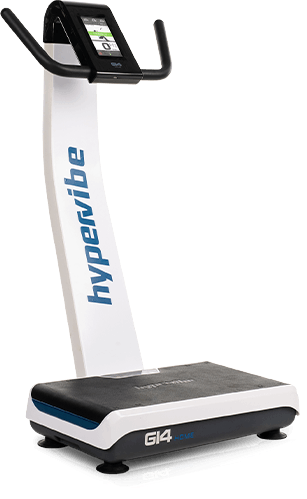
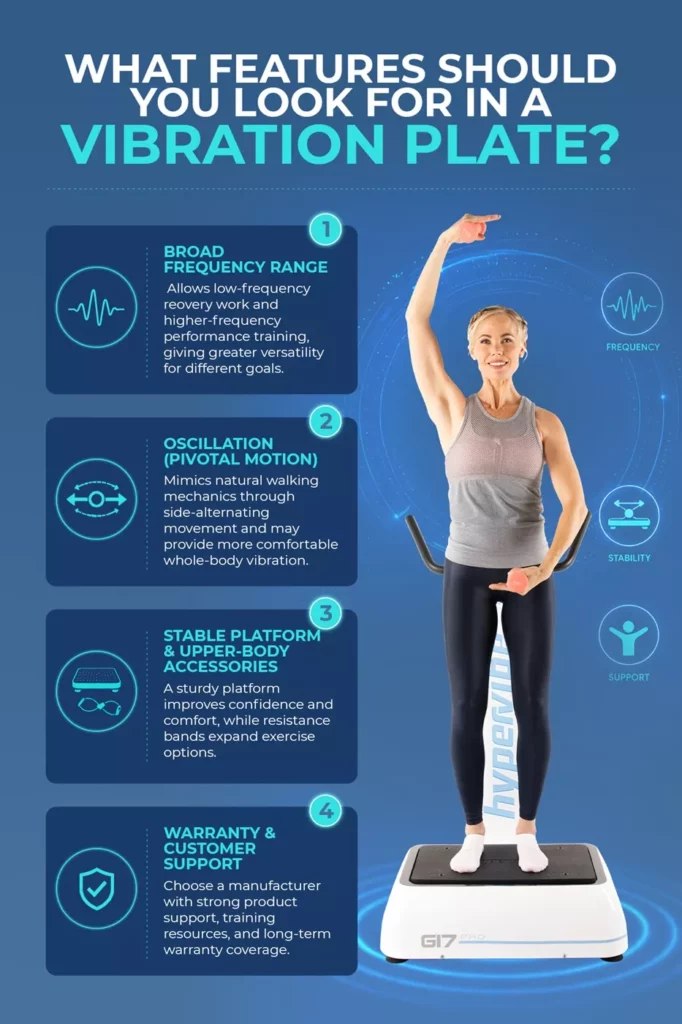
Essential features to consider when choosing a high-quality whole-body vibration machine.
The ideal platform should support safe, progressive training and accommodate your long-term goals, whether you’re toning your body, recovering from injury, or enhancing athletic performance.
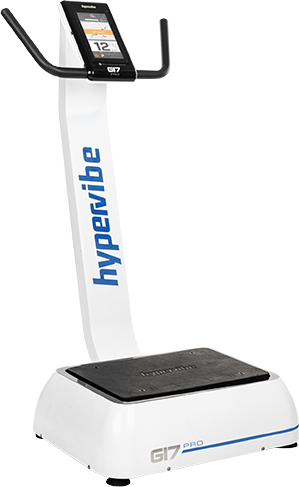
Hypervibe stands out for its:
Hypervibe combines quality, science, and usability in one powerful platform.
It triggers involuntary muscle contractions via the tonic vibration reflex while improving blood flow and lymphatic drainage, resulting in enhanced muscle activation, faster recovery, and improved balance and strength. Hypervibe uses pivotal (oscillating) motion, offering greater muscle activation, a wider frequency and amplitude range (higher G-forces), and a lower spinal load, while Power Plate uses linear vibration with higher frequencies but lower amplitude (lower G-forces). Yes. They accelerate metabolic waste clearance, reduce muscle soreness—especially within 24–48 hours post-exercise—and help restore neuromuscular readiness without adding physical strain. The most effective platforms operate at 5–35 Hz with sufficient G-force (10-17 Gs), offer adjustable frequency ranges, and use oscillating motion, as low-powered devices often fail to produce meaningful physiological benefits.
FAQs
- What does vibration therapy do to your body?
- What is the difference between Hypervibe and Power Plate in sports medicine?
- Are vibration plates good for sore muscles after running?
- Which vibration machines are best for post-workout recovery routines?

Here’s how we use a vibration plate for weight loss...

Many people, especially beginners, notice an itchy or tingling “pins-and-needles”...
Are vibration machines bad for you? Yes, if used incorrectly....
Yes, Vibration Plates or Whole Body Vibration (WBV) platforms, promote...
Most people get the best results using a vibration plate...
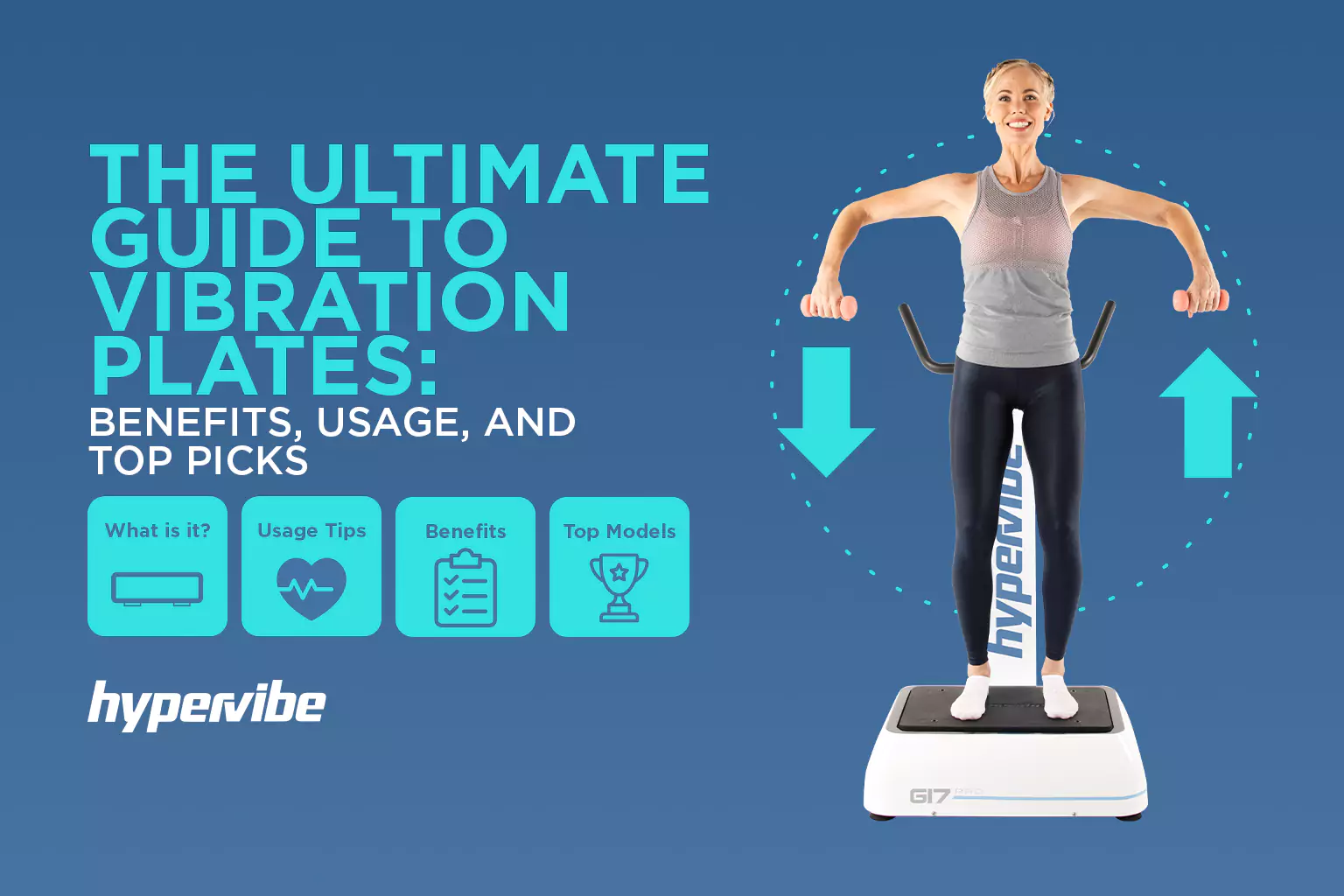
We are always looking for a way to boost our fitness, weight loss, or mobility. Vibration Plates might be the...
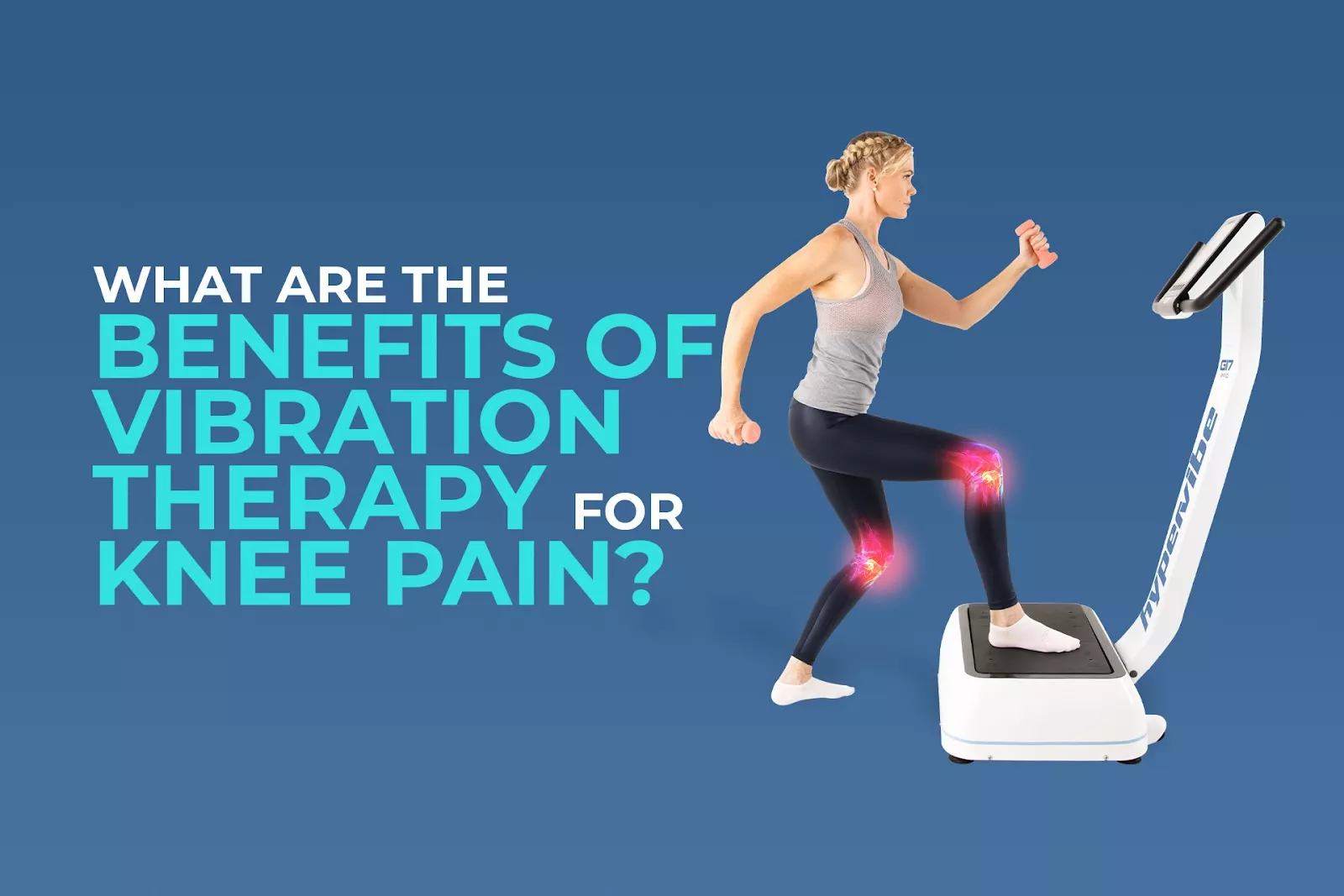
Is vibration plate good for knee pain? or, Can vibration plate help knee pain? Yes. Whole Body Vibration (WBV) reduces...
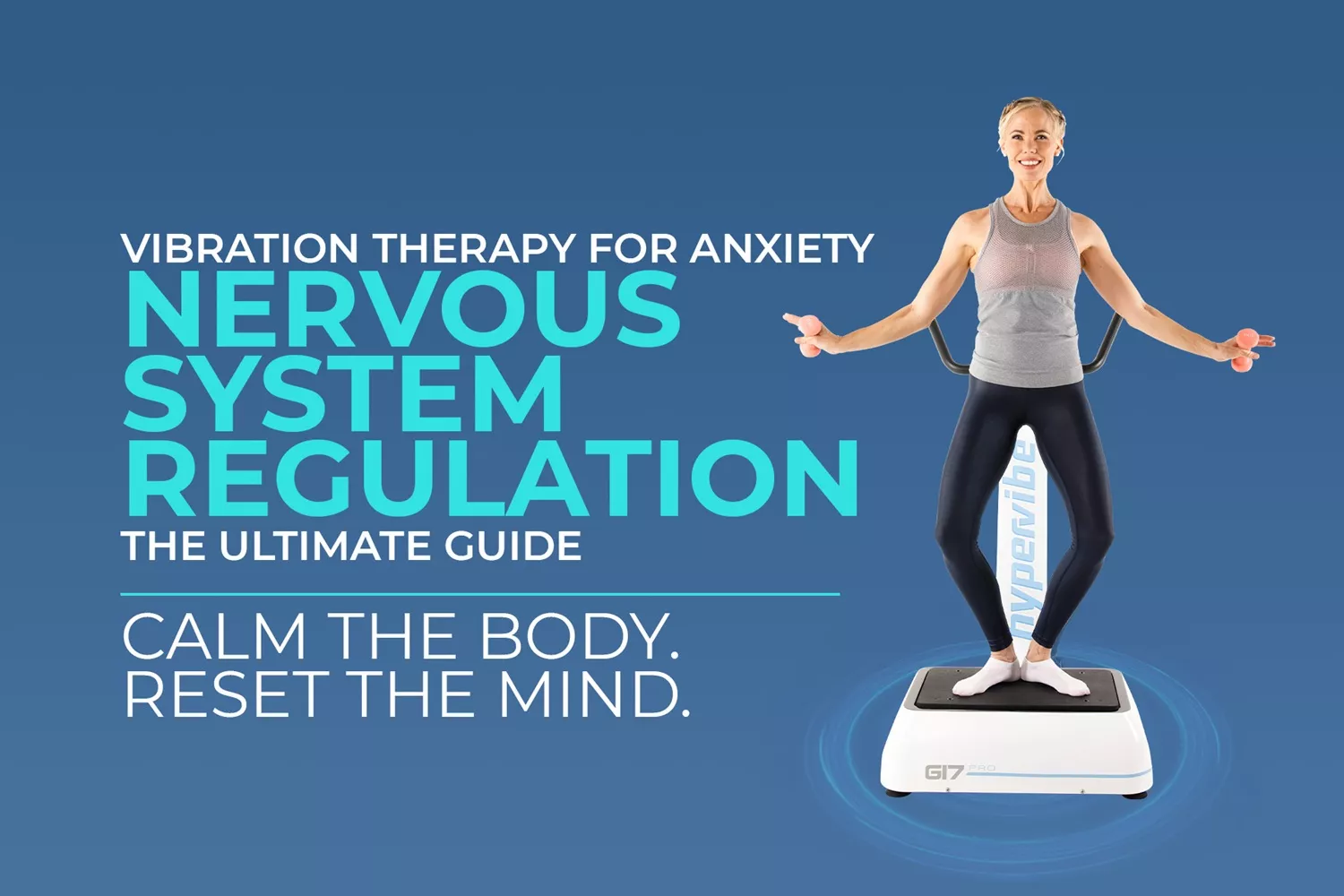
Vibration Plates help with anxiety because of the way they calm the nervous system. The vibration felt in the body...
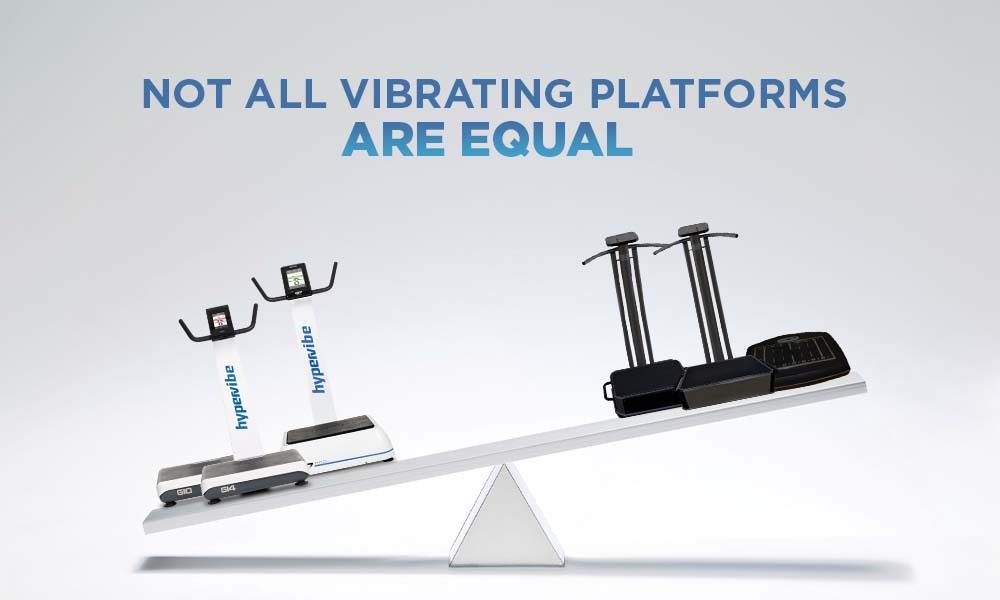
Vibration platforms have recently surged in popularity—and for good reason. Scientific studies continue to highlight their impressive health potential: better...
Post-activation potentiation (PAP) is used by professional athletes for increasing their performance, and consists in using intense exercise as preconditioning....
Whole body vibration machine exercises can speed up recovery after a sports competition by helping the muscles relax, relieving the...
Here’s how we use a vibration plate for weight loss...
Many people, especially beginners, notice an itchy or tingling “pins-and-needles”...
Are vibration machines bad for you? Yes, if used incorrectly....
Yes, Vibration Plates or Whole Body Vibration (WBV) platforms, promote...
Most people get the best results using a vibration plate...