
$1,799.00
Shop Now
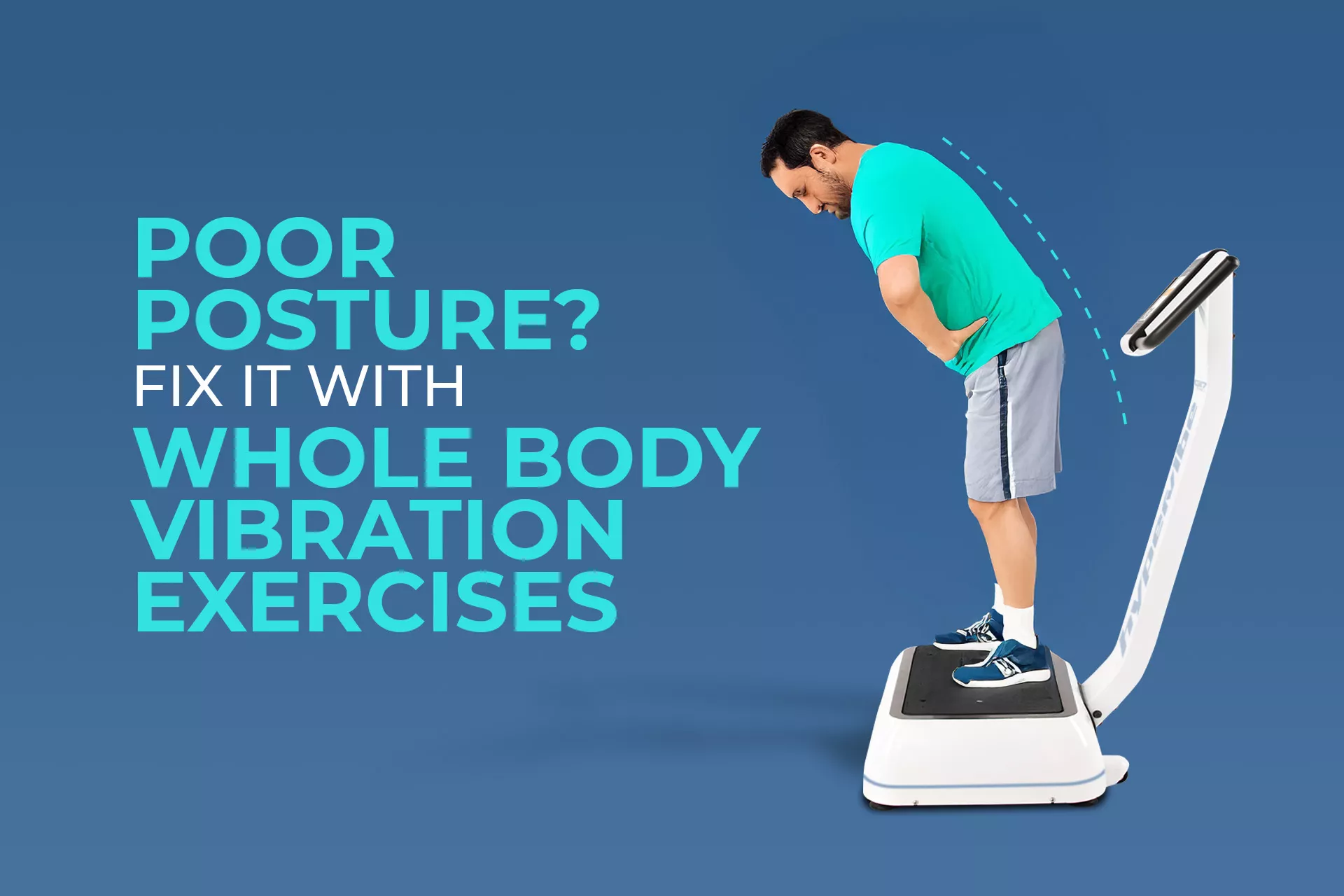
Can Vibration Platform exercises help correct posture? The answer is yes.
The reason being that posture is determined by how well your body’s aligned, and Whole Body Vibration is an incredible way to assure you “stack up” well.
Body alignment is typically assessed based on the position of certain anatomical landmarks relative to the pull of gravity.
These include your:
These all need to be well-positioned and able to rely on each other to reduce stress and strain when you sit, stand, or move.
When alignment is right, muscles fire better, joints move more fluidly, and even breathing feels easier.
When it’s off, you get everything from back pain to shoulder strain, while breathing becomes shallow and fatigue sets in.
While traditional posture-correction exercises like chin tucks, planks, or shoulder retractions work to address postural issues, they require months of repetition before you notice truly meaningful changes.
However, with Whole Body Vibration (WBV), you see quicker, more impactful results (and it’s backed by science).
Why? Because the main premise behind exercising on a Vibration Platform is to train your body to work directly against the forces of gravity.
The inability to do so is why most postural issues inevitably require medical interventions.
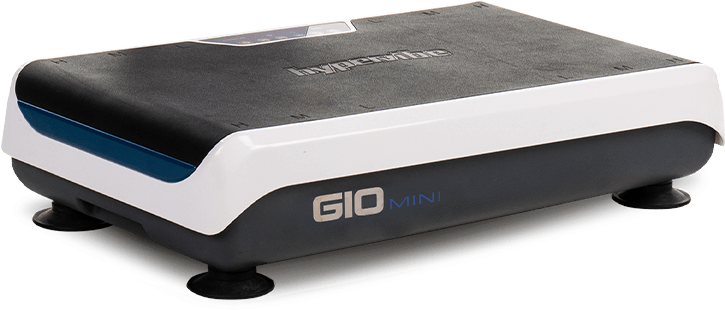


Additionally, on a WBV platform, as you work against the gravitational forces the machine is designed to simulate, it oscillates.
The gravitational load is placed on your body intermittently, causing your muscles to contract multiple times per second. This jump-starts postural muscle activation and excites the nervous system.
So, if you want to fix your posture faster, slouch less, and feel like you’re standing tall again, this guide will break it all down.
Here, we’ll look at everything from common problems to the best exercises and science-backed strategies.
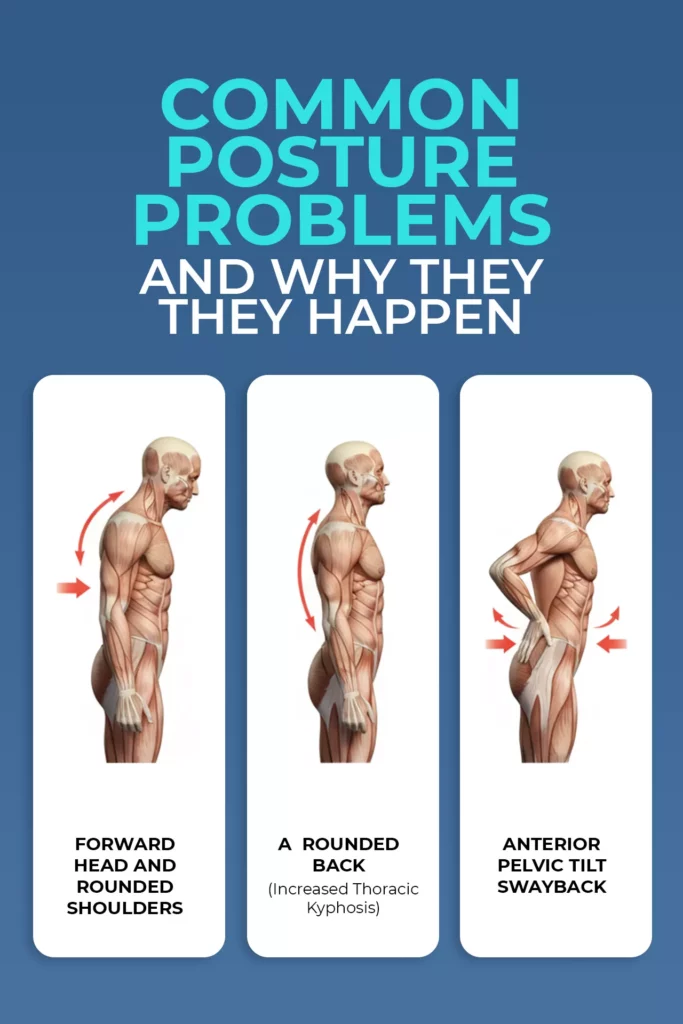
Visual guide to three common posture problems and their spinal positions.
These posture problems cause the center of gravity to shift, balance to worsen, and pain or fatigue to eventually show up.
Poor posture isn’t just an aesthetic issue—it’s linked to issues such as neck and back pain, shoulder tendonitis, headaches, shallow breathing, digestive issues, and an increased fall risk.
How to fix it: blend.
When used correctly, Vibration Platform exercises are potent tools for posture correction.
Here’s how WBV corrects posture:
All of this makes it much easier to stand taller, feel stronger, and move without discomfort.
If you’ve been wondering what Vibration Platform exercises work best to fix bad posture,
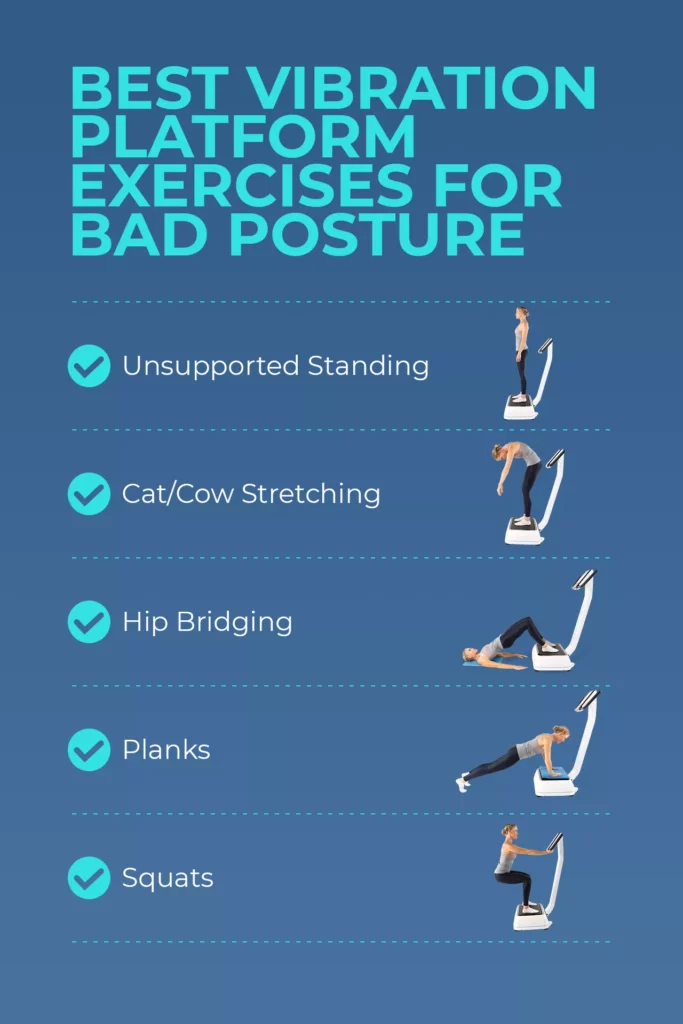
Recommended vibration platform exercises to help improve poor posture.
here are the top five recommendations:
This exercise mobilizes your spine, loosens tight tissue, and strengthens your spinal stabilizers (transverse abdominis, multifidus, and erector spinae).
How to do it:
Time/reps: 30–60 seconds × 2–3 sets. 12-30 Hz. Progress to a 90-second hold or eyes closed if you can.
The primary focus of this exercise is to mobilize the upper back, lower back, neck, and shoulder area.
It can also strengthen the mid-trapezius and rhomboids when done in a plank position (advanced).
Both support better posture.
How to do it:
Time/reps: 30-60 seconds, 2–3 sets. 8-12 Hz. Want to test your skills? Do this in a plank position. Keep your core engaged.
This exercise opens your hips and strengthens your glutes and core muscles.
How to do it:
Time/reps: 60 seconds, 2–3 sets. 12-30 Hz. Slow and steady pace.
This exercise focuses on countering swayback and slouching by training the core muscles.
How to do it:
Note: You can start on your knees with feet off the floor if needed (modified plank).
Time/reps: 20–60 seconds × 2–3 sets. 8-12 Hz. For vibration plank beginners, start with 10–15-second holds and gradually increase from there.
This exercise aims to build a strong foundation by activating the quads, glutes, and core, and upper back muscles.
How to do it:
Time/reps: 8–12 reps × 2–3 sets. 12-30 Hz. Tempo control (2 seconds down, 1-second hold, 1 second up) increases muscle activation.
|
Exercise |
Purpose |
Key Cues |
|
Dead bug or bird dog |
Strengthen and lengthen spinal muscles |
Move the opposite arm/leg slowly; keep ribs down, spine straight and core engaged. |
|
Shoulder rows with band |
Strengthen mid-back muscles and mobilize shoulder blades |
Squeeze shoulder blades together, keeping neck relaxed and chin tucked. |
|
Chin tucks |
Strengthen neck flexors and length neck extensors (reverse forward chin) |
Gently glide the chin backwards; hold for 20–30 s; breathe normally as you hold. |
If you have gym access, consider adding cable rows, lat pull-downs, reverse flys, and low back extensions.
Use mirrors or a coach to keep ribs down, core engaged, neck long, chin tucked, and shoulders/shoulder blades moving smoothly.
Keep chest exercises balanced with back exercises to maintain alignment.
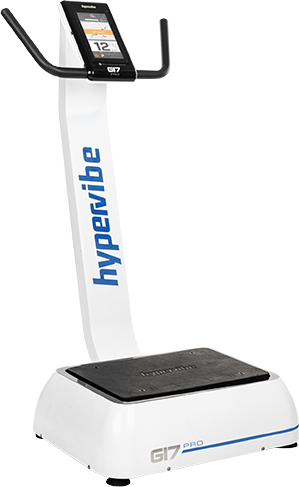


WBV enhances traditional exercises.
Traditional posture-correction exercises will certainly help (strengthening, stretching, and motor-control drills) and are suitable for long-term alignment.
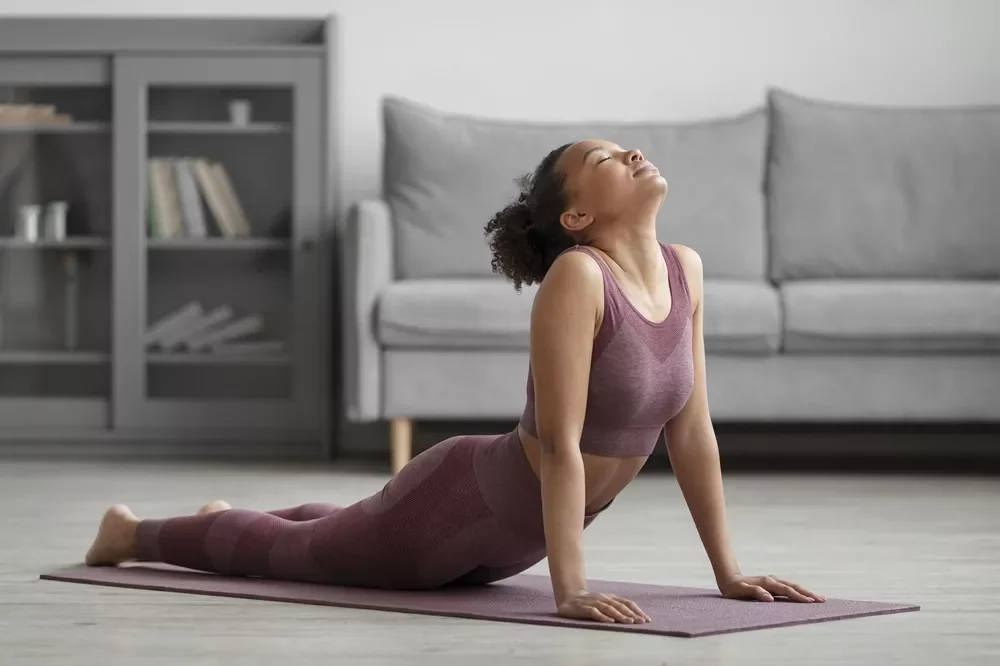
Back-strengthening yoga pose to support better posture at home.
Whole Body Vibration (WBV), however, accelerates those gains by adding gravitational loading, reflexive muscle activation, and improved proprioception.
If fast, enhanced results are what you seek, then we advise working with WBV.
Yes, it is, especially for people with nonspecific, muscular low-back pain.
Whole Body Vibration (WBV) produces micro-oscillations that activate the deep spinal stabilizers (multifidus, erector spinae) while loosening up tight tissue.
This promotes spinal support, proprioception, and pain relief, especially when paired with targeted lumbar exercises.
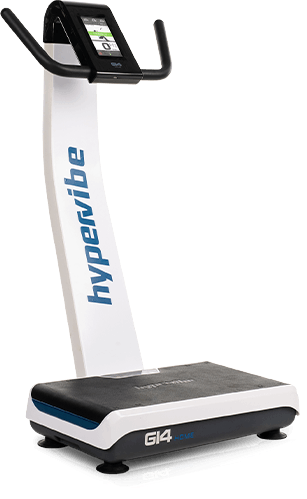
For effective results, start on a clinical-grade Hypervibe pivotal platform (for example, the G17 PRO).
Begin at low frequencies in standing: 5–15 Hz, use low amplitude (narrow stance), and do short bouts (5–10 minutes).
But don’t hold yourself back; feel free to progress slowly, widening your stance (higher amplitude) and using higher frequencies.
Older adults, especially those who do not have an active lifestyle, can get measurable balance and functional gains from WBV in as little as eight weeks, so a beginner-friendly plan is worth trying.
Active senior ready for a posture-friendly yoga or stretching session.
Here’s a quick but effective plan that’s both slow and supported:
Vibration Therapy is safe for everyone unless contraindicated.
Here are some contraindicated conditions that require medical consultation before attempting Vibration Therapy:
In addition to that, before starting or progressing with vibration plate exercises, keep these key safety tips in mind to reduce the risk of injury.
It takes three to six weeks to notice changes in posture and easier upright control and four to eight weeks to get measurable gains such as balance, trunk endurance, and pain reduction.
Here’s a quick timeline:
Trust is not given; it is earned, so let’s see what other users and clinical trials report about WBV’s ability to improve posture:
Reviews from Hypervibe: Many Hypervibe customers say they feel less neck and shoulder tension and greater ease standing upright after just a few weeks of short WBV sessions.
“After having the Hypervibe G-10 for 1 week now and using it at least 3 times a day (I work from home), my pain levels and general comfort level have NOTICEABLY improved; my back and shoulders feel stronger and more ‘in place’ than before the injuries. After each use, my body feels so much more relaxed and ‘warm,’ while also getting that euphoric effect of raising your heart rate and boosting blood circulation—similar to getting a workout in.”
Yes, while traditional postural exercises are effective, WBV accelerates the process, giving you earlier wins in body awareness, strength, and spinal alignment.
Try our Hypervibe postural exercise routines today, track your progress, and experience what standing taller really feels like.
Yes, they are, but only when used correctly.
WBV enhances proprioception and muscle strength based on hypergravitational loading, which supports alignment, balance, and functional postural gains in the long run.
First, clear your mind of the more time = more gains narrative.
Use short, regular WBV sessions combined with supportive exercises off the vibration platform.
You should expect early gains in 2–3 weeks and objective improvements by 4–8 weeks.
Unsupported Standing (neutral spine, core engaged, soft knees, chin tucked, and head towards the ceiling) is the single most effective starter.
It trains your deep spinal stabilizers while improving your balance and loosening tight joints.
Pair it with squats and planks on the plate for rounded shoulders and core control.
Yes, posture can be substantially improved in the long term, but permanence depends on you maintaining ongoing good habits.
WBV accelerates neuromuscular control and accelerates results, but what about the lasting changes? Those require continued practice: daily posture awareness, regular strength/mobility work, and maintenance sessions (on or off the plate).

Here’s how we use a vibration plate for weight loss...

Many people, especially beginners, notice an itchy or tingling “pins-and-needles”...
Are vibration machines bad for you? Yes, if used incorrectly....
Yes, Vibration Plates or Whole Body Vibration (WBV) platforms, promote...
Most people get the best results using a vibration plate...
Back pain can be caused by more serious issues like the degeneration of intervertebral discs, or by poor posture, muscle...
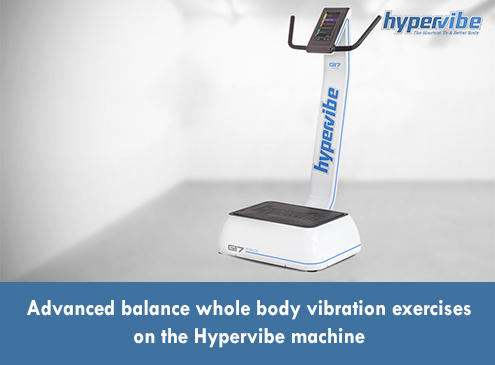
Each year, more than 2 million seniors go to the emergency room with injuries caused by falls, and the root...
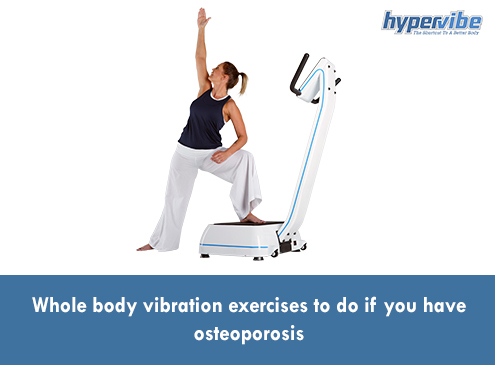
In osteoporosis, bones become thinner as a result of bone mineral density decreasing, so people who have been diagnosed with...
Can Vibration Training (Whole Body Vibration, WBV) help you tone your shoulders and upper arms? Yes. Vibration Plates may help...
Can a Vibration Plate (Whole Body Vibration, WBV) really help slim and tone your thighs? Yes, it can. The vibration...
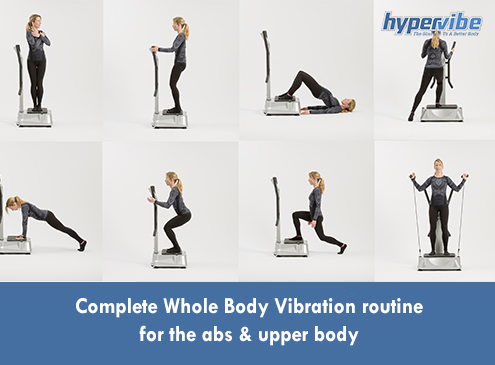
When you think of upper body exercises, you probably tend to select only exercises for the six pack and waist,...
Here’s how we use a vibration plate for weight loss...
Many people, especially beginners, notice an itchy or tingling “pins-and-needles”...
Are vibration machines bad for you? Yes, if used incorrectly....
Yes, Vibration Plates or Whole Body Vibration (WBV) platforms, promote...
Most people get the best results using a vibration plate...