
Original price was: $3,999.00.$3,399.15Current price is: $3,399.15.
Shop Now
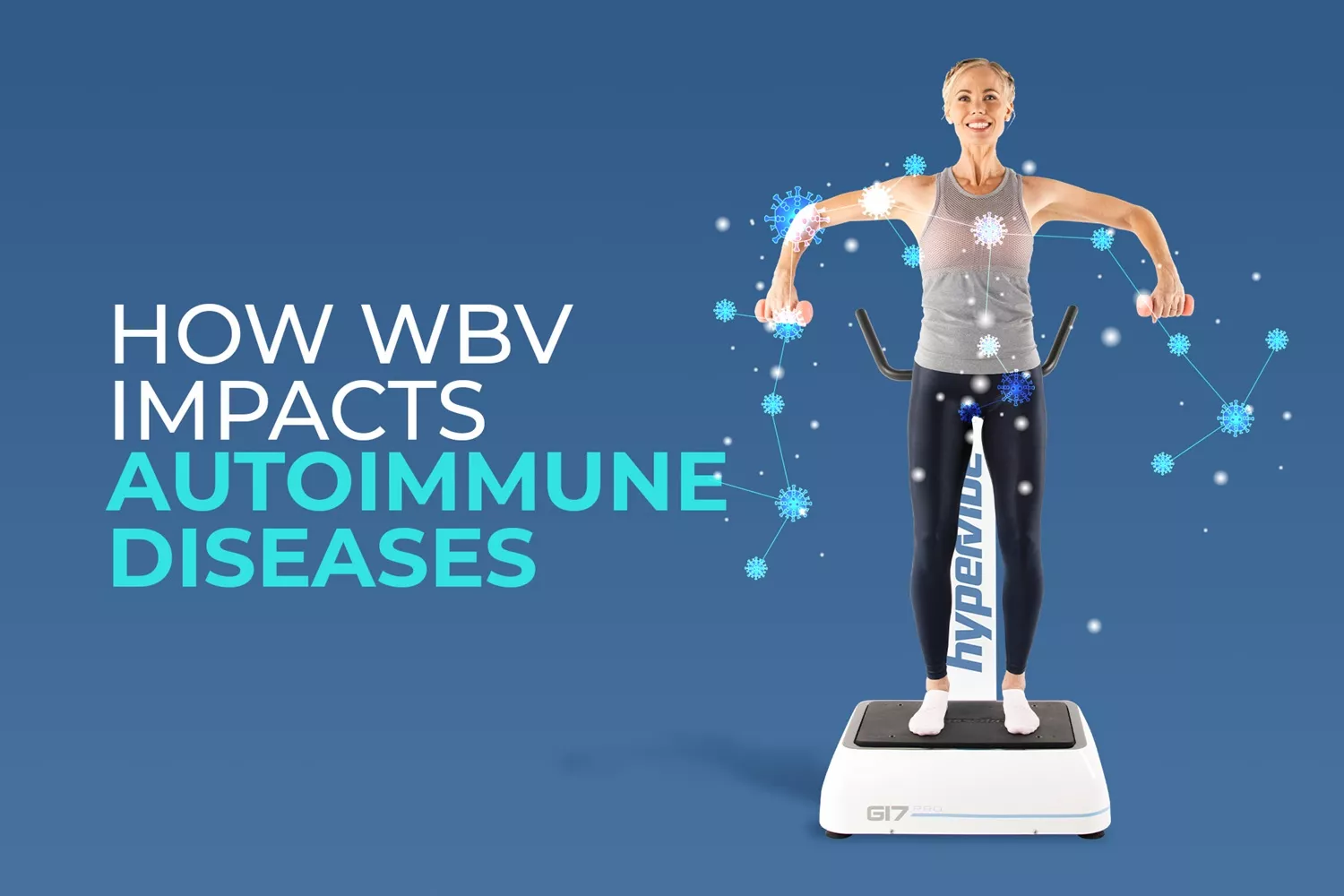
Can a Vibration Plate help those with autoimmune diseases? The answer is yes.
For most people with an autoimmune disease, a Vibration Plate can support muscle strength, joint and soft tissue mobility, circulation, and a reduction in overall discomfort.
However, it’s important to note that it is not a “cure.”
Research suggests Whole Body Vibration (WBV) may help counterbalance inactivity during flare-ups, preventing muscle weakness, coordination loss, and instability when it comes to balance.
Summary: Potential Benefits
Potential Risks
Non-Negotiables for Safe Use
In this guide, we’ll break down what research says, who Vibration Plates may help, who should avoid them, and how to trial a plate safely at home.
Whole Body Vibration is a technique that uses mechanical vibration to stimulate muscle contractions, thereby increasing strength, bone density, and metabolism (in support of weight loss goals.)
It also provides a wide range of additional benefits, including improved lymphatic function and circulatory system health and balance training.
Vibration is delivered through a platform that moves up and down at various frequencies and amplitudes.
The result of this combination is what’s called G-Force.
The higher the G-forces (acceleration) produced by a Vibration Plate, the more your muscles must engage, and the greater the potential benefits are for the body.
This method has gained popularity due to its wide array of benefits, along with its efficiency.
It requires much less time than traditional exercises do.
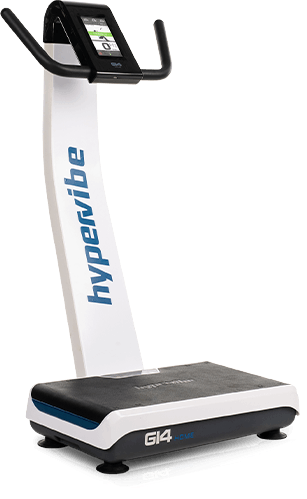


A clinical-grade Vibration Plate is defined by three key variables:
When it comes to exercise, these determine how much neuromuscular activation occurs in the body.
Here’s how the process works in simple terms:
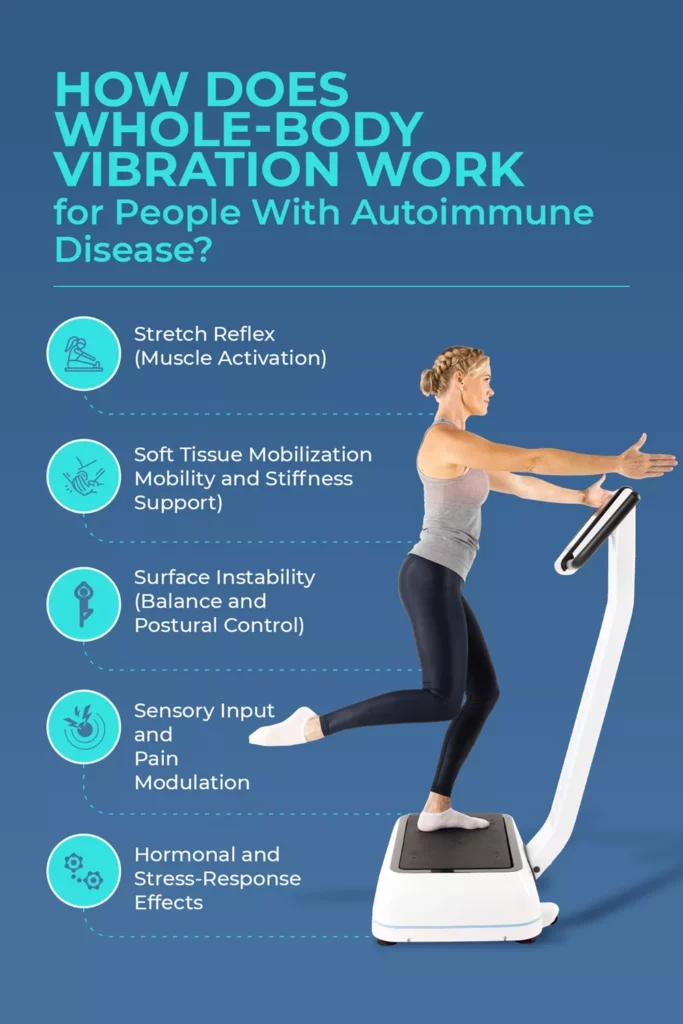
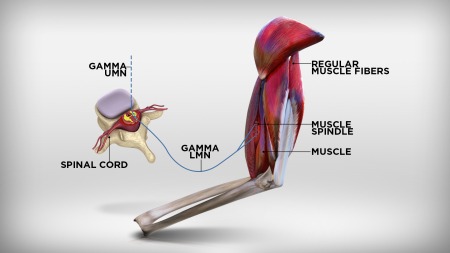
The physiological mechanisms through which whole-body vibration supports individuals with autoimmune diseases.
As the Vibration Plate moves, muscles are repeatedly stretched.
In response, the nervous system triggers automatic muscle contractions.
This is similar to the reflex tested when a doctor taps your knee.
For people with autoimmune disease, this reflexive activation can:
Importantly, intensity must remain low and controlled when starting, as too high of an intensity may overwhelm the body and exacerbate symptoms.
The subtle, rhythmic movement of Whole Body Vibration (WBV) can help tissue relax and loosen, particularly in people who experience stiffness from inactivity, inflammation, or muscle guarding.
For some individuals, this may:
Because the platform is moving, the body makes constant, low-level adjustments to stay upright.
These automatic corrections challenge the balance and postural systems without requiring fast reactions or high exertion.
This can be helpful for people with autoimmune disease who experience:
The body contains specialized sensory receptors that respond to vibration.
When gentle vibration is introduced repeatedly, these signals may temporarily compete with or reduce pain signals—a mechanism sometimes referred to as pain gating.
For some people, this may:
This effect is temporary and individual, and WBV should never be used to push through pain.
Some research suggests WBV can influence hormones and stress-related chemicals involved in muscle function and nervous-system regulation.
In autoimmune populations, this creates potential support for:
These effects vary widely and depend on dose, health status, and individual sensitivity.
WBV is not a hormonal treatment and should be viewed only as a supportive physical stimulus.
Research on Whole Body Vibration (WBV) and autoimmune disease is still emerging.
Overall, the evidence is promising but remains limited and condition-specific.
Early research exploring WBV and immune function includes small human trials and animal studies examining inflammation, metabolic health, and immune markers.
Some studies suggest that low-intensity vibration may influence:
Together, these findings suggest WBV influences systems that are relevant to autoimmune disease, even if direct disease-modifying effects have not been established.
Among these specific autoimmune diseases, rheumatoid arthritis (RA) has received the most attention in WBV research.
Studies suggest that carefully applied WBV may help support
Note: Ankylosing spondylitis (AS) is mentioned far less frequently in the literature.
Because AS primarily affects the spine, any consideration of WBV requires slow progression and/or professional oversight.
Multiple sclerosis (MS) is the autoimmune condition most frequently studied in relation to WBV.
Several small trials and pilot studies have explored WBV as part of rehabilitation programs.
Findings suggest promising effects, including:
While results vary, these studies support the idea that WBV may play a supportive role within carefully designed rehabilitation or movement programs for people with MS.
|
Condition |
Recommended Settings |
Good Exercises to Try |
How Long per Session |
Sessions per Week |
|
Rheumatoid arthritis (RA), Multiple sclerosis (MS), Lupus (SLE), Hashimoto’s / thyroid-related fatigue |
Low → Moderate |
Standing Pose, Mini-Squats, Calf Raises, Cat/Camel Stretches |
1–5 minutes total |
2-4 |
|
Fibromyalgia / central sensitization, POTS / dysautonomia, Chronic inflammation & stiffness (inactive |
Very Low – Low |
Seated Exercises, Standing Pose, Weight-Shifting, Pelvic Tilts |
30 sec–3 min |
1-2 |
There is no single “correct” Vibration Plate schedule for autoimmune disease.
Tolerance varies widely based on diagnosis, disease activity, nervous-system sensitivity, medications, and overall conditioning.
That said, research and clinical guidance point to a few consistent principles.
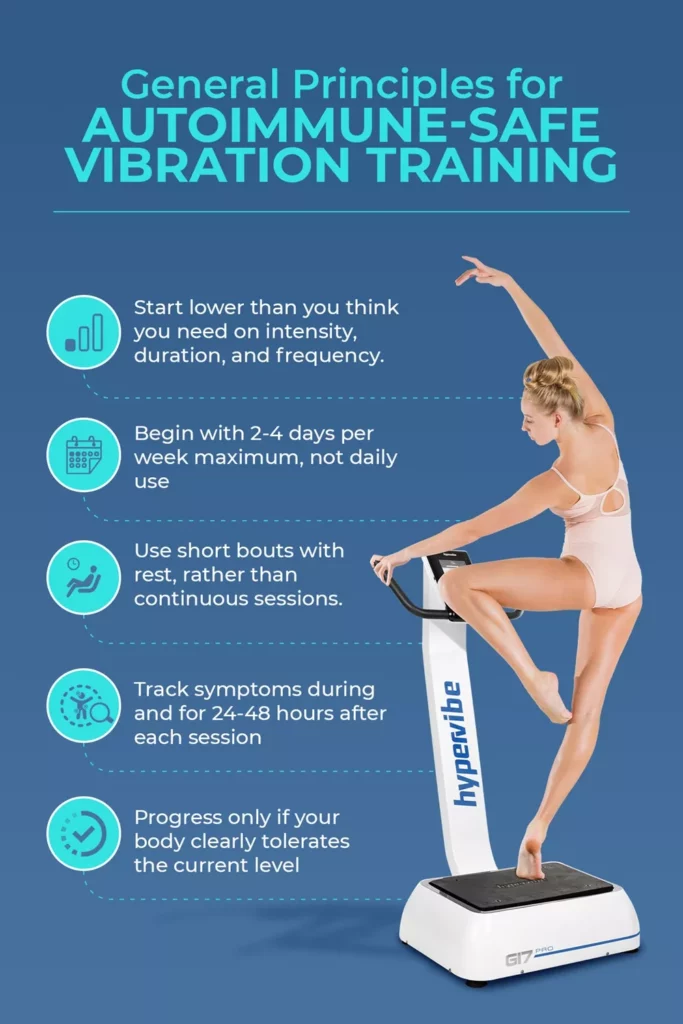
Best practices for implementing a safe and effective vibration training routine for sensitive health conditions.
People with autoimmune disease whose symptoms are stable, who are cleared for light exercise, and who want a structured but conservative starting point.
On days with increased fatigue, stiffness, or early flare signs:
People with multiple sclerosis using Whole Body Vibration (WBV) as an adjunct to physiotherapy or rehab, especially for balance, gait, and lower-limb activation.
People with fibromyalgia or central sensitization who are highly sensitive to exertion, vibration, or sensory input.
If you experience delayed symptoms such as:
Rather than daily logging, rate these once or twice weekly to reduce mental load:
Function often improves before symptoms do.
Pick one or two checks that reflect real-life tasks:
If after 4–6 weeks you notice:
You should pause or stop and talk to a medical practitioner.
These depend on your condition and tolerance:
A Vibration Plate may not be safe for everyone with an autoimmune disease, and tolerance varies widely, even within the same diagnosis.
For some people, Whole Body Vibration (WBV) can be a low-impact way to support movement.
For others, it may trigger symptom flares, fatigue, dizziness, or pain.
Safety comes down to disease stability, coexisting conditions, supervision, and how WBV is used.
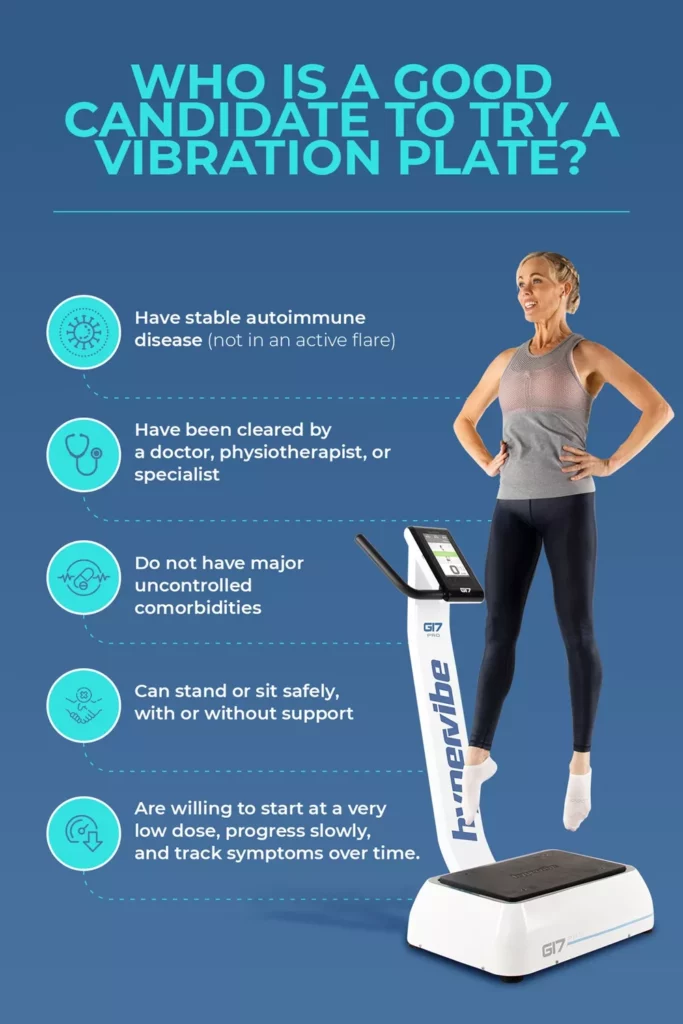
Essential safety checklist to determine if you are a good candidate for whole-body vibration training.
You may be a candidate for a cautious trial if you:
You should avoid WBV or seek specialist advice first if you have any of the following:
A short, focused conversation goes a long way.
Before your appointment, prepare the following.
Bring this information:
Helpful questions to ask:
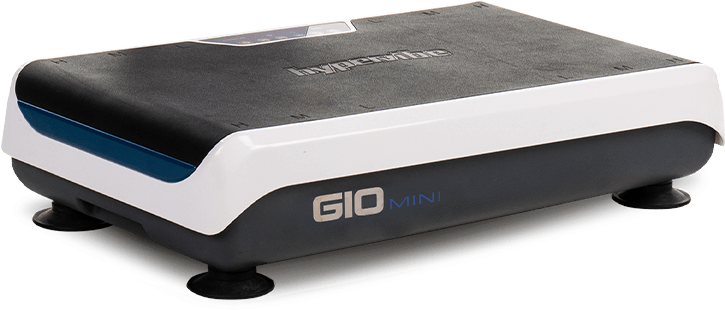


Research and clinical guidance consistently show that lower, controllable stimulation is better tolerated than aggressive, one-size-fits-all vibration.
When evaluating Vibration Plates for autoimmune disease, prioritize control, stability, and sensory comfort over intensity or speed.
Look for a wide frequency, amplitude, and G-Force range that allows truly low-intensity use.
Many people with autoimmune disease need settings that feel barely perceptible at first.
A stable base, wide foot placement, and optional handrails can reduce fall risk and anxiety—especially for balance-affected conditions such as multiple sclerosis, POTS, or fatigue-dominant states.
Some surface cushioning can help reduce joint irritation and foot discomfort during short, gentle sessions.
Check whether the plate supports accessories such as anti-slip or cushioning mats.
These platforms are more functional.
They often feel gentler on joints for some users too.
Vertical/Linear (Up and down)
Moves both legs at the same time.
They can feel uncomfortable if intensity increases too quickly and may feel less natural for some bodies.
Hypervibe positions its platforms around control, education, and risk reduction, which aligns closely with the needs of people managing autoimmune or chronic illnesses.
Hypervibe platforms are designed to support users who need extremely low starting levels, including people with fibromyalgia, MCAS, POTS, or post-flare deconditioning.
Condition-specific articles and usage frameworks help users understand when to use Whole Body Vibration (WBV), when to pause, and when to stop—reducing trial-and-error and unnecessary symptom flares.
Access to real support teams who can help with setup, positioning, and safety-related questions, rather than relying solely on generic instructions.
This is especially important for autoimmune users who may worry about devices becoming “dust collectors” if tolerance or health status changes over time.
They can help manage symptoms such as stiffness, weakness, balance loss, or fatigue by supporting gentle movement and muscle activation. However, results vary widely. A Vibration Plate does not cure an autoimmune disease itself. Careful progression and symptom tracking are essential. Yes. If intensity, duration, or frequency is too high, Whole Body Vibration (WBV) can trigger fatigue spikes, pain flares, dizziness, or symptom crashes. This is why Vibration Plates should only be used during stable disease phases, started at very low settings, and stopped immediately if symptoms worsen. Yes. While Vibration Plates cannot reverse joint damage or alter disease progression in rheumatoid arthritis, some studies suggest they may support strength, balance, or bone density when disease is stable. It can be safe for people with multiple sclerosis when used with support, such as handrails, seated positions, or physiotherapy supervision. Use should focus on balance and gait support, not endurance. Fall risk and fatigue must be carefully managed, especially during symptom fluctuations. Sometimes. People with fibromyalgia often require “micro-dosing” (seconds, not minutes). Overuse can worsen pain and fatigue, so progression must be extremely gradual. Current research does not show that Vibration Plates modify immune function or autoimmune activity directly. Most observed effects relate to muscles, circulation, and balance. Ask whether there is any reason Whole Body Vibration would be unsafe for you given your diagnosis, medications, bone density, balance, or cardiovascular status. Also ask which symptoms would signal that you should stop and whether seated or supported use would be safer in your case. No. Some people with autoimmune disease respond better to physiotherapy, walking, water-based exercise, or other low-impact options. Lack of benefit does not mean failure.
FAQs
- Do vibration plates help with autoimmune symptoms like fatigue and joint pain?
- Could a vibration plate make my flares or inflammation worse?
- Is a vibration plate good for rheumatoid arthritis in the long term?
- Is a vibration plate safe if I have MS and balance issues?
- Is a vibration plate safe for fibromyalgia or the underlying central sensitization?
- Can vibration plates affect my immune system directly?
- What should I ask my rheumatologist or neurologist before starting?
- If a vibration plate doesn’t help me, does that mean I did something wrong?
If you’re thinking about trying a Vibration Plate for autoimmune disease, the safest path forward is intentional and measured.
Before using any Vibration Plate:
If you want more guidance before making a decision, explore Hypervibe’s buyer guide.
It is designed to support an informed decision.


Here’s how we use a vibration plate for weight loss...

Many people, especially beginners, notice an itchy or tingling “pins-and-needles”...
Are vibration machines bad for you? Yes, if used incorrectly....

Yes, Vibration Plates or Whole Body Vibration (WBV) platforms, promote...
Most people get the best results using a vibration plate...
A growing number of clinical trials show a short Whole Body Vibration (WBV) program could be an adequate treatment for...
With so many health and fitness products on the market today, we are inundated with a variety of different options...
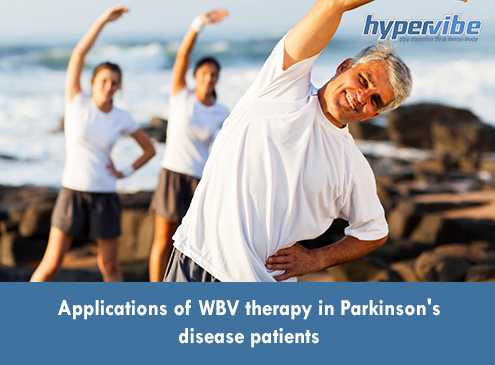
Parkinson's disease is a neurodegenerative disorder that affects one's muscle control and leads to impaired coordination and severe trembling. Present...
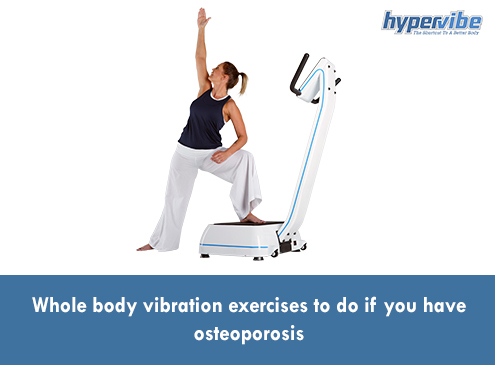
In osteoporosis, bones become thinner as a result of bone mineral density decreasing, so people who have been diagnosed with...
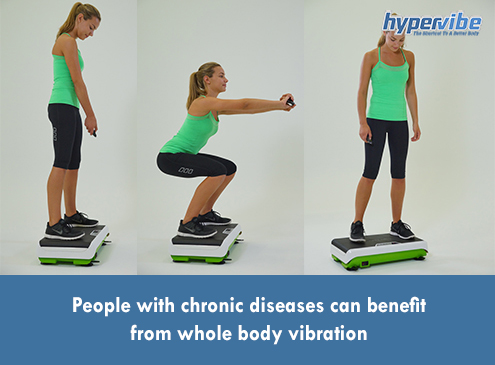
When we refer to a condition as "chronic", we define an ailment that is long-lasting and has no known cure....
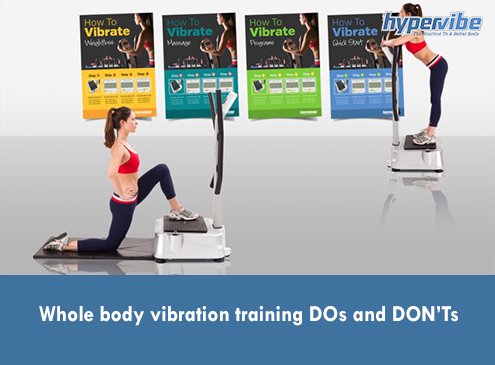
To stay safe and avoid injuries while exercising on your Hypervibe whole body vibration machine, you should get familiar with...
Here’s how we use a vibration plate for weight loss...
Many people, especially beginners, notice an itchy or tingling “pins-and-needles”...
Are vibration machines bad for you? Yes, if used incorrectly....
Yes, Vibration Plates or Whole Body Vibration (WBV) platforms, promote...
Most people get the best results using a vibration plate...