
$1,799.00
Shop Now
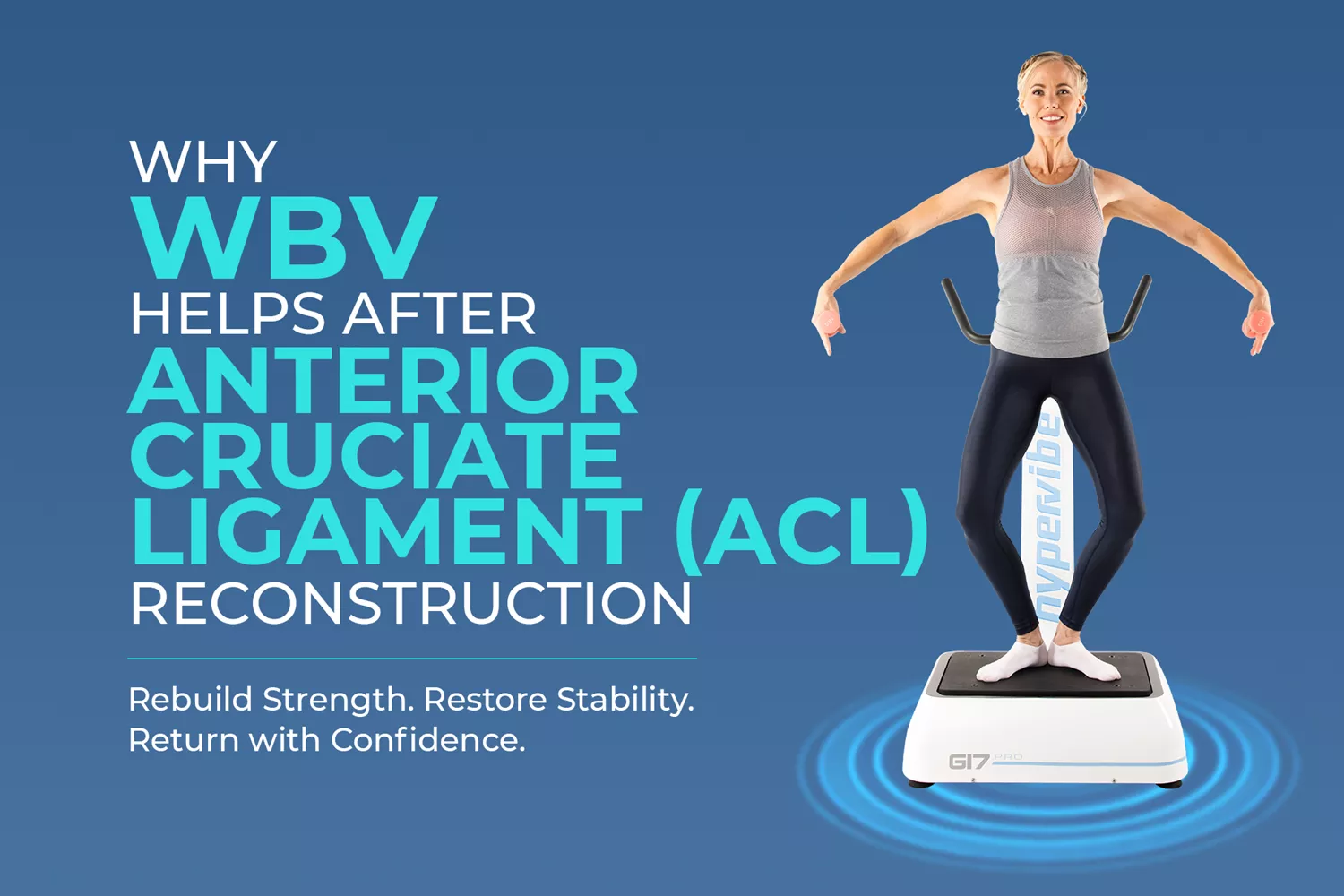
Can You Use a Vibration Plate After ACL Reconstruction? Yes, using a clinical-grade Vibration Plate after ACL surgery is both safe and highly beneficial when introduced at the right time (typically 2 to 4 weeks post-operation with medical clearance).
Common Pain Points During ACL Recovery
ACL recovery has physical, neuromuscular, and psychological effects that are deeply frustrating at times.
Based on common patient experiences and clinical insights, here are the key challenges most people face:
Whole Body Vibration (WBV) therapy is becoming a more popular approach for recovery programs because it significantly activates the various systems that support the knee joint without overloading it.
Several of the main benefits include preventing “quad shutdown” (muscle atrophy), reducing knee swelling, and stimulating vital mechanoreceptors to restore joint stability and balance.
However, patients should use pivotal (oscillating) vibration plates rather than vertical (lineal) machines, as these deliver less intense, side-alternating movement and avoid excessive force through the healing ACL graft.


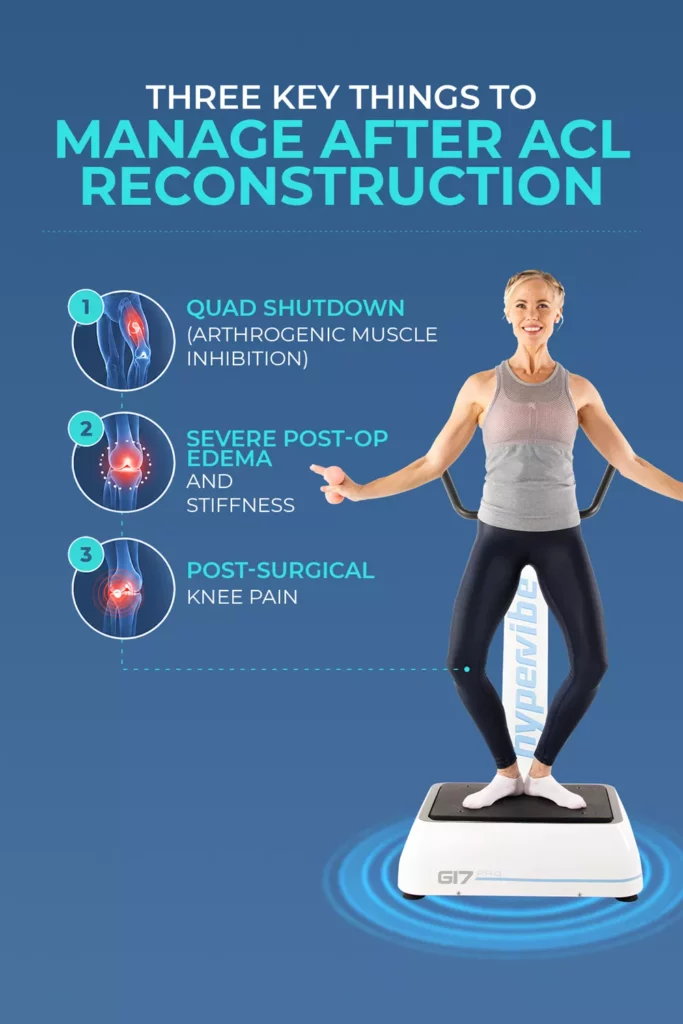
Three critical symptoms to address and manage during recovery from ACL reconstruction surgery.
ACL recovery is often described as slow and frustrating.
Even with a well-executed surgery, the body faces multiple layers of healing at once: tissue repair, controlled swelling, neuromuscular reactivation, and psychological readiness.
Early stages are especially difficult because muscles are not firing properly, the knee is swollen, and there is a lot of pain.
Traditional rehabilitation focuses on gradual loading and controlled movement.
However, this takes time.
One of the biggest setbacks after ACL surgery is arthrogenic muscle inhibition (AMI), commonly known as “quad shutdown.”
After surgery, the brain essentially “switches off” the quadriceps to protect the knee.
The result?
Whole-body vibration helps bridge this gap through something called the Tonic Vibration Reflex (TVR).
Not only does it activate the muscles, but it provides an acceleration force (G-force) for them to resist.
This makes it highly functional.
Even though the initial surgical healing may take 6–12 weeks, full functional recovery can take 6–12 months or longer.
During this time, lingering swelling can:
Whole Body Vibration (WBV) may support recovery here by acting as a circulatory and lymphatic stimulus.
Pain management after ACL surgery is key to staying consistent with rehab.
One of the mechanisms behind vibration therapy’s pain-relieving effects is the Gate Control Theory of Pain.
Pain signals travel relatively slowly through the nervous system, while vibration signals move much faster.
When both are present at the same time, the faster-moving vibration input can effectively override or dampen the slower pain signals before they reach the brain.
As a result, you may experience a reduced perception of pain and improved comfort during movement while recovering.
Whole Body Vibration (WBV) therapy is increasingly recognized as a clinically relevant adjunct in rehabilitation settings, including post-surgical recovery.
A growing body of peer-reviewed research highlights its role in improving muscle activation, neuromuscular control, and functional outcomes when combined with traditional physiotherapy.
Traditional ACL rehabilitation relies on progressive strength, mobility, and motor control training, which remains the gold standard.
However, recent findings suggest that integrating WBV can enhance these outcomes.
Research shows that WBV may:
Randomized and controlled trials have shown that adding WBV to conventional rehabilitation can lead to significantly greater improvements in lower-limb strength and functional outcomes compared to standard physiotherapy alone.
It’s common to feel as though the knee is unstable.
This is largely due to impaired proprioception, as ACL injury disrupts mechanoreceptors responsible for joint awareness.
Evidence shows that WBV:
By repeatedly activating these sensory pathways, WBV helps rebuild the communication loop between the joint and the brain, supporting stability, coordination, and injury prevention.
Whole Body Vibration (WBV) doesn’t always bypass biological healing timelines,
but it can improve how efficiently patients move through each stage of recovery.
Evidence suggests WBV may:
Clinical insights indicate that patients using WBV as part of a structured program may reach functional milestones (e.g., strength, balance, movement confidence) earlier within each recovery phase.
While Whole Body Vibration (WBV) therapy offers clear rehabilitation benefits, patients have concerns about whether it could damage the graft, interfere with surgical hardware, or delay healing.
However, when used correctly with the right timing, settings, and equipment, WBV is considered safe and clinically appropriate in many post-surgical rehab programs.
No, controlled therapeutic vibration does not generate the shear forces required to damage a properly fixed ACL graft.
This assumes the surgery was done correctly.
After reconstruction, the new ACL graft is secured within bone tunnels using surgical fixation (e.g., screws or buttons).
Over time, it undergoes a biological process called ligamentization, where it gradually integrates into the bone and remodels into ligament-like tissue.
Early injury rehabilitation protocols are designed to avoid excessive shear and rotational forces, which are the real risks to the graft.
Yes,
In most cases, WBV is safe for patients with modern surgical hardware, including titanium screws and fixation devices used in ACL reconstruction.
Orthopedic implants are designed to withstand significant mechanical loads, far beyond what therapeutic vibration produces.
Materials like titanium are biocompatible, rigid, and highly stable within bone.
Vibrational forces pass through the body as low-level mechanical signals, not high-impact forces.
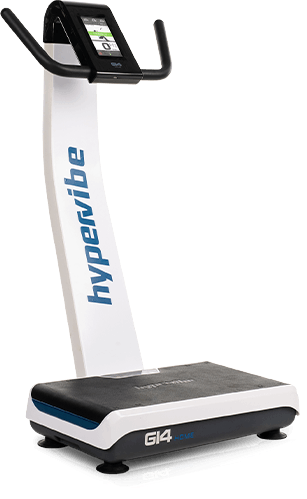


Vertical (lineal) Vibration Plates:
Pivotal (oscillating) Vibration Plates:
For ACL recovery, pivotal vibration is the safer, more functional option, while high-impact vertical vibration should be avoided, especially in early and mid-stage rehab.
Even though WBV is generally safe, there are clear situations where it should not be used without medical supervision.
General clinical guidance also recommends caution in post-surgical populations until clearance is provided by a healthcare professional.
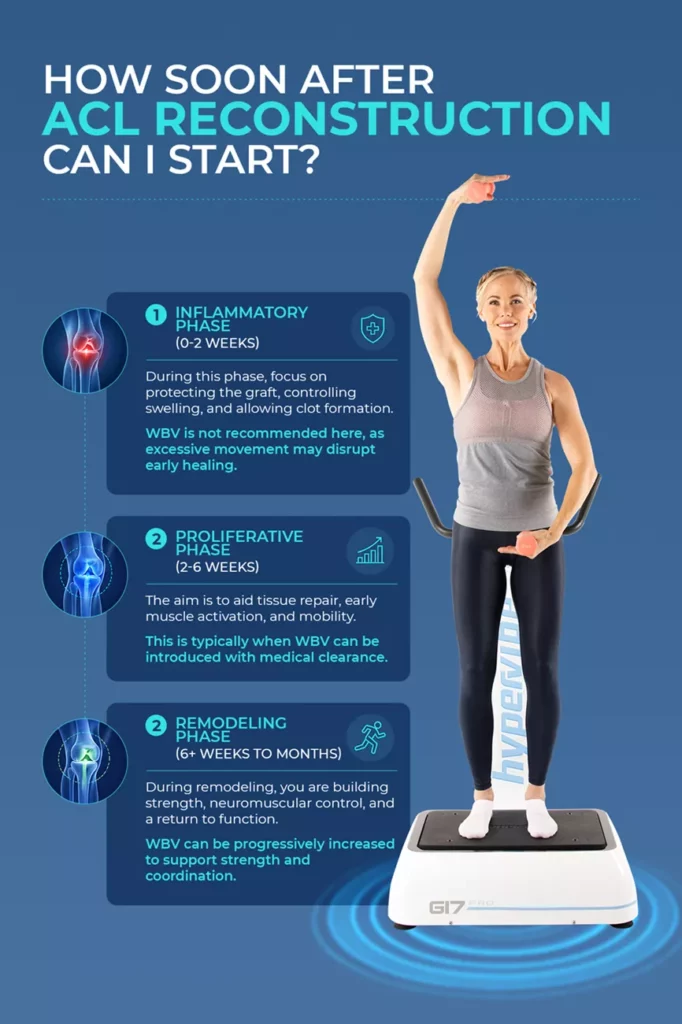
Timeline guide showing when to safely introduce whole-body vibration (WBV) therapy during the phases of ACL surgical recovery.
ACL healing follows three key biological phases:
Most clinical protocols suggest introducing vibration therapy around the 2–4 week mark post-surgery,
once the following conditions are met:
Special consideration:
If your ACL reconstruction was combined with a meniscus repair,
timelines may be more conservative:
The key principle is to start low and progress gradually.
Research and clinical practice suggest that low-mid level frequencies and amplitudes (low to moderate G-forces) are better suited for early-stage healing,
while higher frequencies and amplitudes (high G-forces) can be introduced later for strength and performance.
Suggested Progressive Frequency Guide:
|
Phase |
Goal |
Frequency Range (Hz) |
Focus |
|
Early Rehab (2–6 weeks) |
Gentle activation, circulation |
8–15 Hz |
Stimulate muscles without stressing the graft |
|
Mid Rehab (6–12 weeks) |
Strength & control |
15–25 Hz |
Improve muscle engagement and balance |
|
Late Rehab (3+ months) |
Power & neuromuscular performance |
25+ Hz |
Enhance functional strength and coordination |
Early on, the body responds best to short, controlled bouts of stimulation.
Beginner’s Protocol:
After that, progress as tolerated.
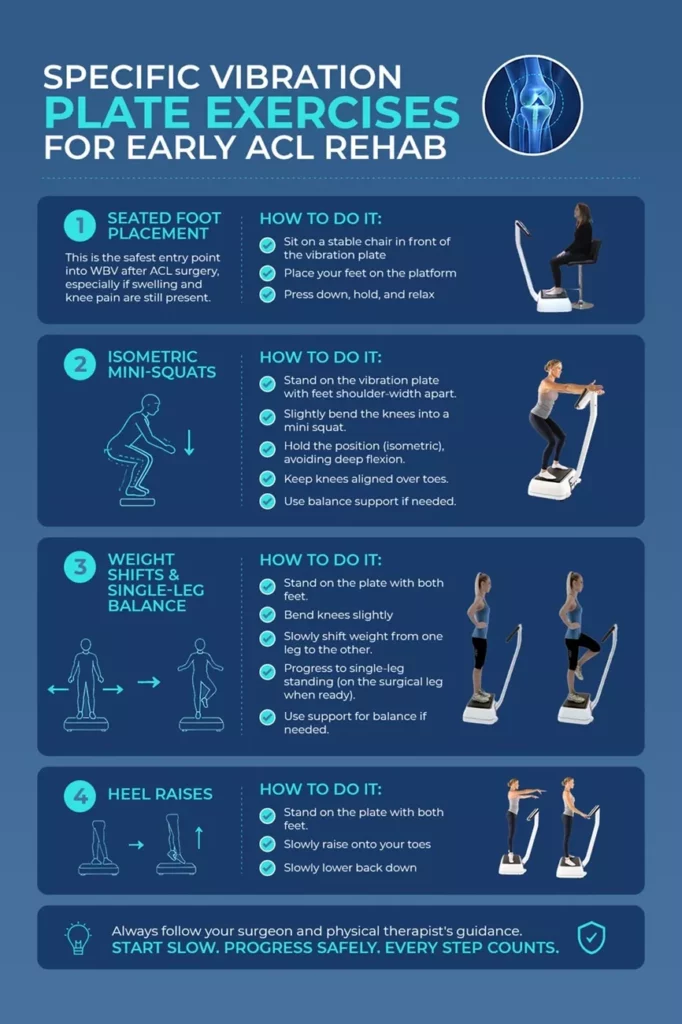
Step-by-step instructions for four safe, low-impact vibration plate exercises designed for early-stage ACL reconstruction rehabilitation.
This is the safest entry point into WBV after ACL surgery, especially if swelling and knee pain are still present.
How to do it:
How to do it:
How to do it:
How to do it:
At first glance, many Vibration Plates may look similar, but they function very differently.
Consumer-grade Vibration Plates (often low-cost or mass-market):
For general fitness, this may be acceptable. But for post-surgical rehabilitation, it introduces risk.
ACL recovery depends on controlled, repeatable mechanical input.
Inconsistent vibration can lead to poor neuromuscular activation or unnecessary joint stress.
Incorrect frequency delivery may reduce therapeutic benefit or, worse, irritate healing tissue.
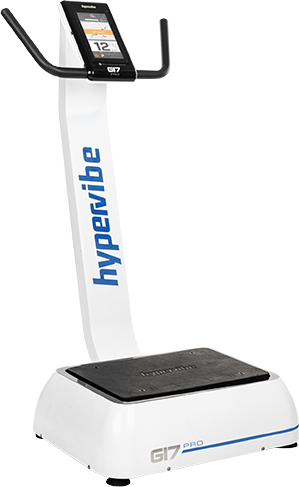
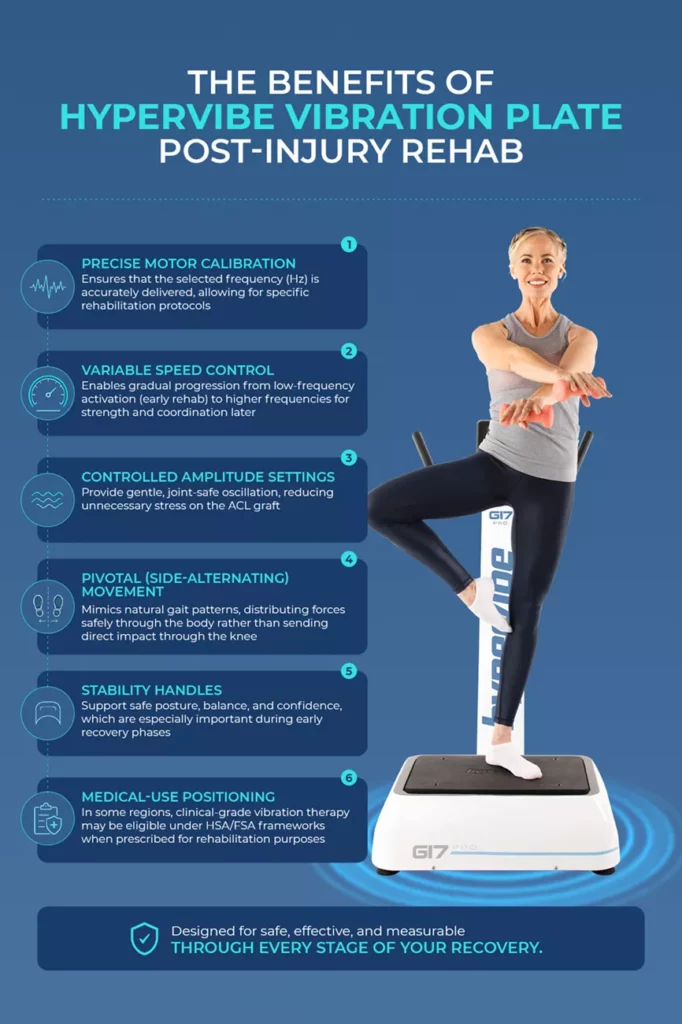
Key features and rehabilitation benefits of using a Hypervibe whole-body vibration plate for post-injury recovery.
Clinical-grade systems like Hypervibe are designed specifically to ensure precision, control, and safety.
Key features that support recovery:
A child with both scoliosis and Cerebral Palsy may need extra caution because vibration can place added demands on posture, alignment, and spinal control.
In most cases, side-alternating or pivotal vibration is the safer option than strong vertical vibration,
but the child’s orthopedic status, curve severity, pain level, and overall stability should be reviewed by their physician or physical therapist before starting.
Not when the machine is used properly and the design is appropriate.
Therapeutic use with appropriate settings is very different from harmful, high-exposure industrial vibration.
The main concern is not “vibration” in general, but how the movement is delivered.
Pivotal (side-alternating) plates create a less intense, walking-like side-to-side motion that reduces how much vibration travels upward to the head.
Straight vertical impact can send more force through the body, which is why pivotal systems are usually the better fit for CP.
Several reviews and clinical studies support WBV as a supportive therapy for CP.
A 2015 systematic review found that Whole Body Vibration may improve spasticity, muscle strength, and coordination.
A 2018 systematic review reported benefits for gross motor function, strength, gait, and mobility.
A 2022 randomized controlled trial in young children with mild to moderate CP found that side-alternating vibration improved walking distance, gait speed, gross motor function, muscle function, and spine bone density, with no severe adverse events reported.
They can in some cases, but daily use should be guided by the child’s tolerance and therapist’s recommendations.
Research in CP has used Vibration Therapy several times per week, and some longer programs showed good results with regular use.
The safest approach is to start with short, supervised sessions and only increase the program if the child stays comfortable, steady, and not overly tired or stiff afterward.
Sometimes, but coverage is not guaranteed and varies widely by plan and state.
In the U.S., coverage usually depends on whether the device can qualify as durable medical equipment, whether it is considered medically necessary,
and whether the plan accepts documentation such as a prescription and letter of medical necessity.
Medicaid coverage for children can sometimes be broader through EPSDT, but approval is still state-specific and often requires prior authorization.
In practice, families often need to ask the insurer directly and be prepared to appeal if the request is denied.
ACL rehabilitation restores strength, stability, and movement control.
Whole-body vibration (WBV) can support this process by improving muscle activation during quad shutdown, reducing swelling and stiffness, and enhancing balance and joint awareness.
It works best when introduced at the right time (typically 2–4 weeks post-op with medical clearance), using low settings, pivotal vibration, and as part of a structured physical therapy program.
Are you ready to experience the benefits of Vibration Therapy for yourself?
Explore our Hypervibe Buyer’s Guide to find the perfect model for your recovery journey.
Here’s how we use a vibration plate for weight loss...
Many people, especially beginners, notice an itchy or tingling “pins-and-needles”...
Are vibration machines bad for you? Yes, if used incorrectly....
Yes, Vibration Plates or Whole Body Vibration (WBV) platforms, promote...
Most people get the best results using a vibration plate...
Yes, it can. As seen from clinical trials, Whole Body Vibration (WBV) for less than 15 minutes, 2 to 3x...
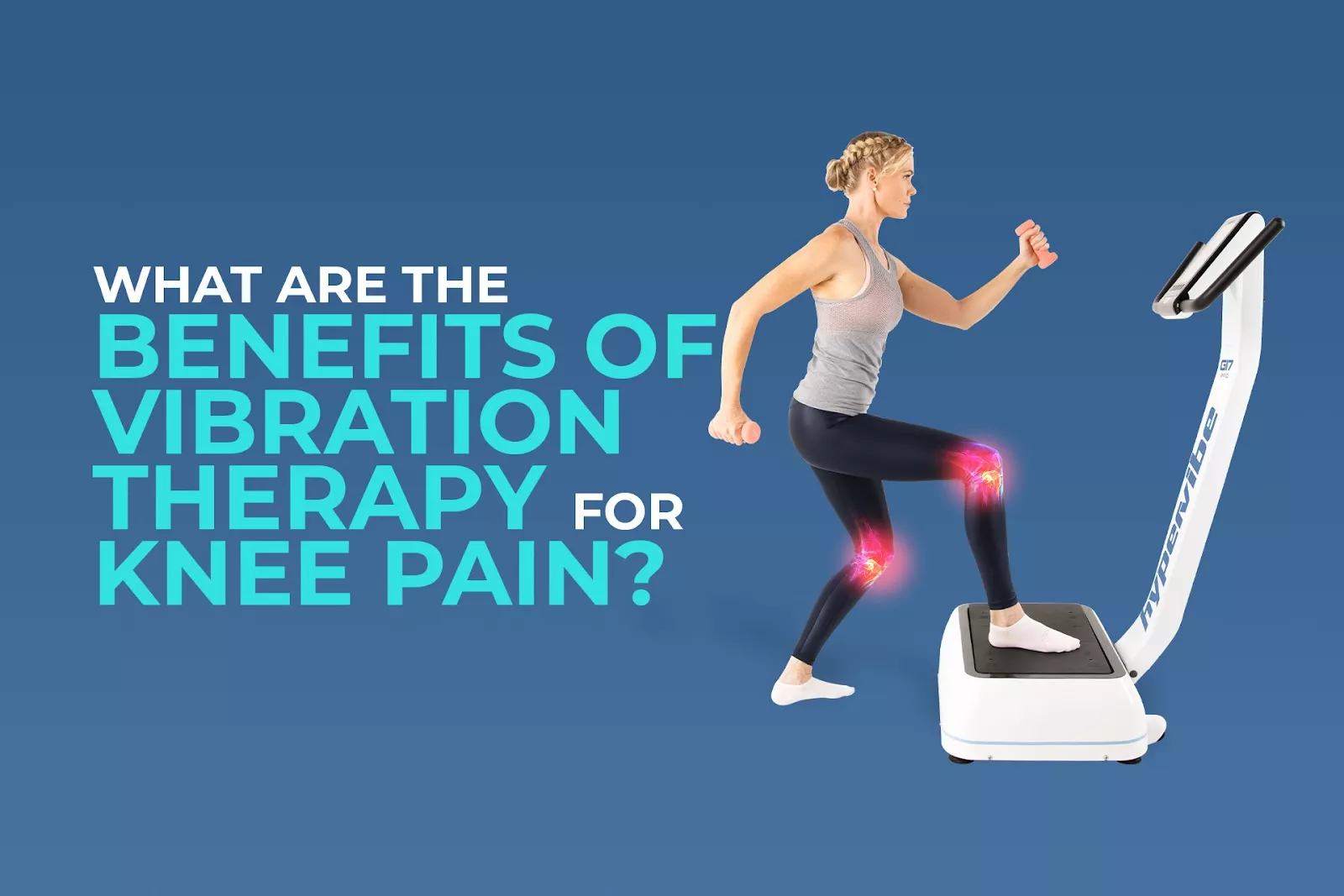
Is vibration plate good for knee pain? or, Can vibration plate help knee pain? Yes. Whole Body Vibration (WBV) reduces...
For many families and individuals living with Cerebral Palsy, daily life is a constant balance between effort and adaptation. Muscle...

The best Vibration Plate for osteoporosis is a precisely calibrated, low-impact system designed to stimulate bone-building cells without placing excessive...
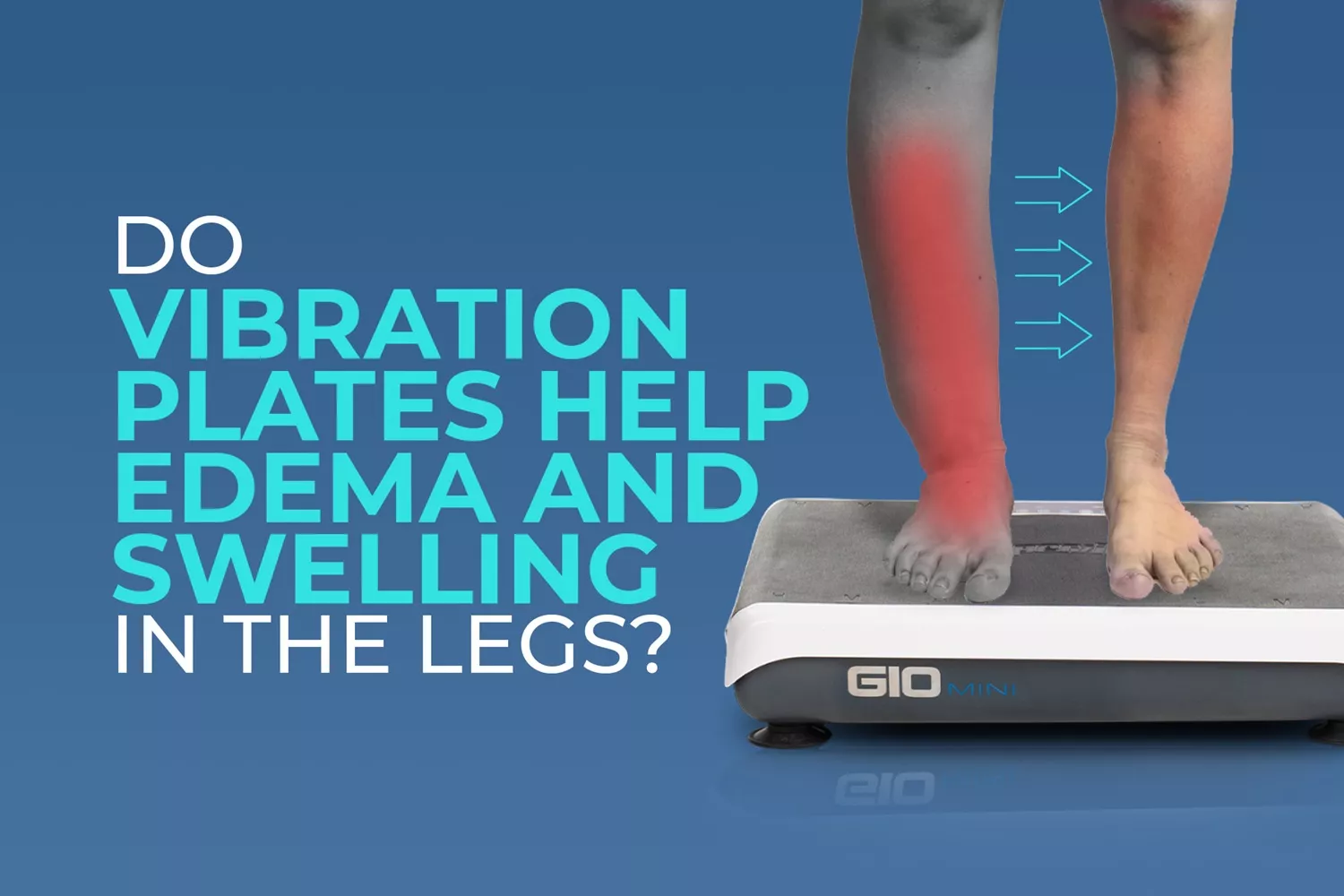
Yes, Whole Body Vibration (WBV) enhances the body’s natural calf “muscle pump,” increases skin and limb microcirculation, and supports overall...
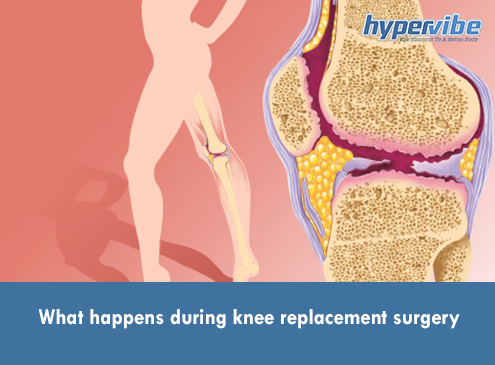
Knee replacement surgery or arthroplasty is a surgical procedure performed for replacing a worn or damaged knee with an artificial...
Here’s how we use a vibration plate for weight loss...
Many people, especially beginners, notice an itchy or tingling “pins-and-needles”...
Are vibration machines bad for you? Yes, if used incorrectly....
Yes, Vibration Plates or Whole Body Vibration (WBV) platforms, promote...
Most people get the best results using a vibration plate...