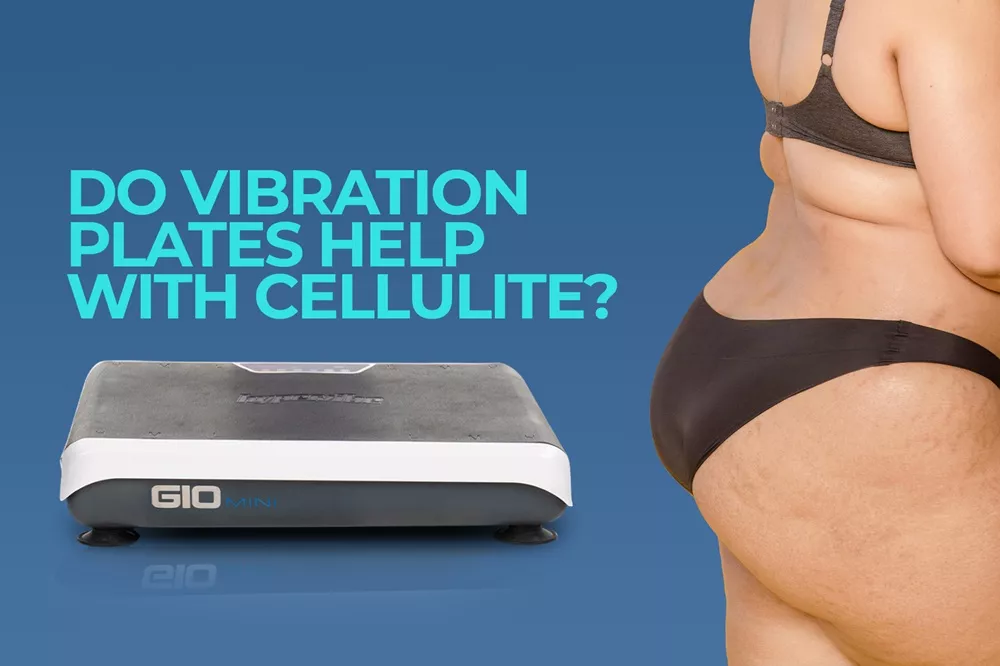
Cellulite is extremely common, affecting around 85–98% of post-pubertal women.
It’s most often on the thighs, hips, and buttocks, showing up as dimples in the skin or as an “orange-peel” appearance to the skin.
Importantly, cellulite is not just about having too much fat in your body.
It’s a cosmetic condition caused by a mix of factors that also includes:
Changes in the structure of the dermis (skin) and the fat layer underneath
Fibrous connective tissue “tethers” that pull the skin down
Local microcirculation and lymphatic drainage issues
Because of this complex architecture of cellulite, there is no definitive cure for it.
A 2023 review of cellulite treatments found that most options—including creams, injectables, and energy-based devices—tend to give unpredictable, short-lived improvements rather than permanent results.
Vibration Training can be a more reliable tool, especially when used for strength training – and in addition to – cardio, healthy nutrition, and other wellness-based lifestyle changes.
Understanding Cellulite and What Happens Under the Skin
Cellulite isn’t just “fat you can see.”
It’s a structural change in how fat and connective tissue are arranged under the skin:
Just beneath the skin, fat lobules sit in small compartments.
These compartments are separated and held in place by fibrous connective bands (septa) that run from the deeper tissues up toward the skin.
When the septa tighten or stiffen and the fat lobules push upward, the skin is pulled down in some areas and pushed up in others.
The result is the familiar dimpled or “orange-peel-like” surface on the thighs, hips, buttocks, and abdomen.
So cellulite is really a tug-of-war between fat pushing out and connective tissue pulling in—not just “too much fat.”
What Causes Cellulite? (Modifiable vs. Non-modifiable)
Cellulite is multifactorial—several things combine to create the dimpling pattern.
Some you can change, and others you can’t.
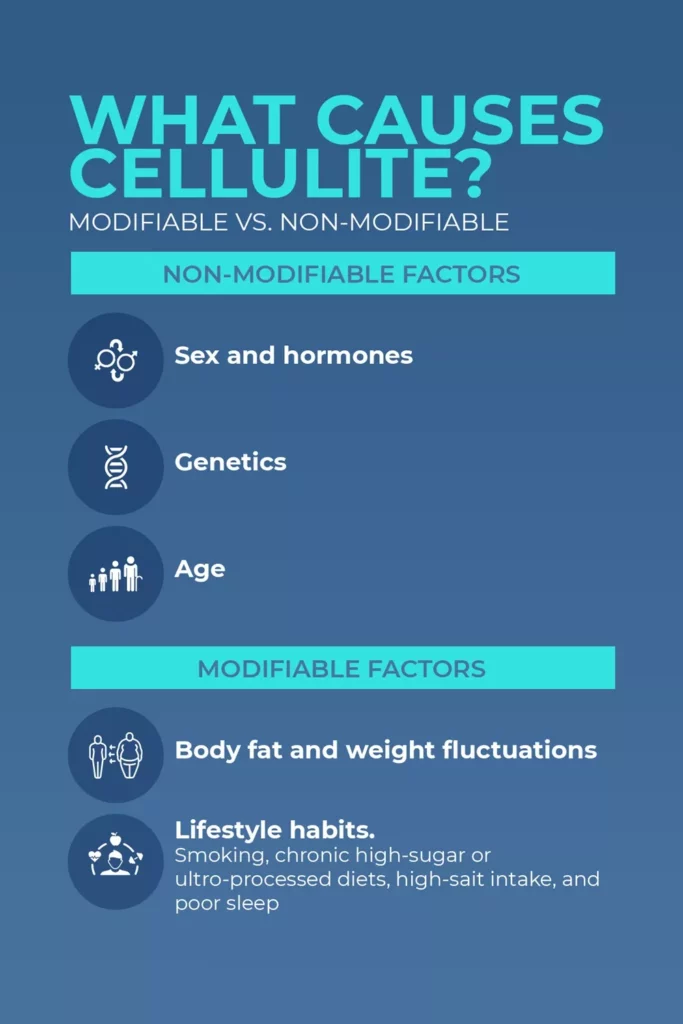
An infographic outlining the key modifiable and non-modifiable causes of cellulite.
Non-modifiable Factors
Sex and hormones: Cellulite is far more common in women (about 85–98% after puberty). Estrogen and other hormones influence fat distribution, skin thickness, and the behavior of connective tissue.
Genetics: Your genes help determine how your septa are arranged, your skin’s thickness, and where you tend to store fat—all of which affect whether cellulite shows.
Age: As you age, skin becomes thinner and less elastic, making underlying dimples more visible even if your weight doesn’t change much.
Modifiable Factors
Body fat and weight fluctuations: While lean people can have cellulite, higher overall adiposity and repeated weight cycling can make dimples more pronounced.
Activity level: A sedentary lifestyle slows circulation and lymphatic flow, which may worsen puffiness and texture. Regular movement and strength training support firmer muscles and better microcirculation.
Lifestyle habits: Smoking, chronic high-sugar or ultra-processed diets, high-salt intake, and poor sleep are all linked with poorer skin quality and inflammation, which can accentuate cellulite over time.
Cellulite Stages (0–3/4)
Clinicians often grade cellulite by how visible it is in everyday positions:
Stage 0 (pre-cellulite)
No visible dimples when standing or sitting.
Skin may show a normal, faint honeycomb texture if you pinch it.
Stage 1 (mild/early)
Skin looks smooth when you’re standing or lying down.
Fine dimples appear only when the skin is pinched or compressed (for example, when you cross your legs or sit).
Stage 2 (moderate)
Dimples are visible when you’re standing, even without pinching.
Skin may look uneven or “orange-peel-like” in normal lighting.
Stage 3 (severe)
Deep dimples and bumps are obvious when standing and often when sitting or lying down.
The surface may look more like a “mattress” with clear peaks and valleys.
Some scales also describe a Stage 4, where there are prominent nodules, bulges, and significant skin laxity.
At this point, cellulite is usually advanced and fibrotic, and meaningful change typically requires professional, multi-step treatments (for example, procedures that release or cut the fibrous septa).
Understanding your stage helps set realistic expectations:
Stages 0–1 often respond best to lifestyle changes and tools like WBV.
Stage 2 may still improve in look and feel with exercise, but full “reversal” is less likely.
Stages 3/4 usually need clinic-based interventions, with home methods playing a supporting role.
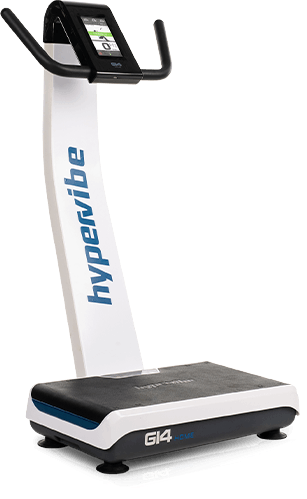
Hypervibe G14 Home V3
Reduces Body Fat
Strengthen Muscles, Joints & Bones
WIFI
40 x Therapist Designed Programs
$3,999.00Original price was: $3,999.00.$3,399.15Current price is: $3,399.15.
What to Expect When Using a Vibration Plate for Cellulite
Whole Body Vibration (WBV) uses a motorized platform that delivers rapid mechanical oscillations through your body while you stand, sit, or exercise on it.
The plate vibrates at a set frequency (how fast it moves, usually 5–40 Hz) and amplitude (how far the platform moves, often 1–4 mm). These create a certain acceleration or G-force (the amount of force placed on the muscles and bones, measured in G’s).
These forces trigger reflex muscle contractions, increase local blood flow, and can stimulate lymphatic drainage and collagen production when used in short, regular sessions.
Cellulite is a common, complex, and non-“curable” condition, however.
So, there are considerations:
It’s multifactorial—driven by fat cells, connective tissue bands, skin thickness, hormones, inflammation, and microcirculation.
It’s not just about body fat—even lean women can have cellulite.
It’s not permanently “curable”—most treatments (including energy-based and exercise approaches like vibration) offer temporary or modest improvements, not a one-and-done fix.
So even when vibration training does reduce the appearance of cellulite, it is still a phenomenal source of maintenance and lifestyle support.
How Whole Body Vibration Targets Cellulite
Gravitational Loading & Stretch Reflex
A vibration platform repeatedly pushes up into your body, briefly increasing the G-forces acting on the various tissues of your body (creating an environment of “hypergravity”).
When it comes to the muscles of the lower body, each of the upward forces rapidly stretches your leg and glute muscles, and they respond with automatic (reflexive) contractions—similar to your knee-jerk reflex at the doctor.
These rapid contractions:
Increase muscular demand and energy use in the thighs and buttocks.
Support fat metabolism when combined with calorie control.
Help pump blood and lymph fluid upward out of the lower body.
Over time, this reflexive muscle pump can reduce fluid congestion in cellulite-prone areas and subtly improve contour by increasing muscle tone.
The fast, small oscillations of the platform “shake” the soft tissues of the thighs, hips, and buttocks.
This gentle mechanical input can:
Loosen tight connective tissue and fascial adhesions that contribute to dimpling.
Improve tissue glide between the skin, fat layer, and underlying muscle.
Support better flexibility and more even tension distribution under the skin.
Because cellulite is partly driven by fibrous septa pulling the skin down, anything that improves soft-tissue mobility may help the surface look smoother when used consistently.
Circulation, Lymph Flow & Microcirculation
Whole Body Vibration has clear effects on blood flow and lymphatic drainage, both of which are important in cellulite:
Increase skin and peripheral blood flow (sometimes nearly twofold) for several minutes after a short bout.
Improve lower-limb blood flow metrics over weeks in structured programs.
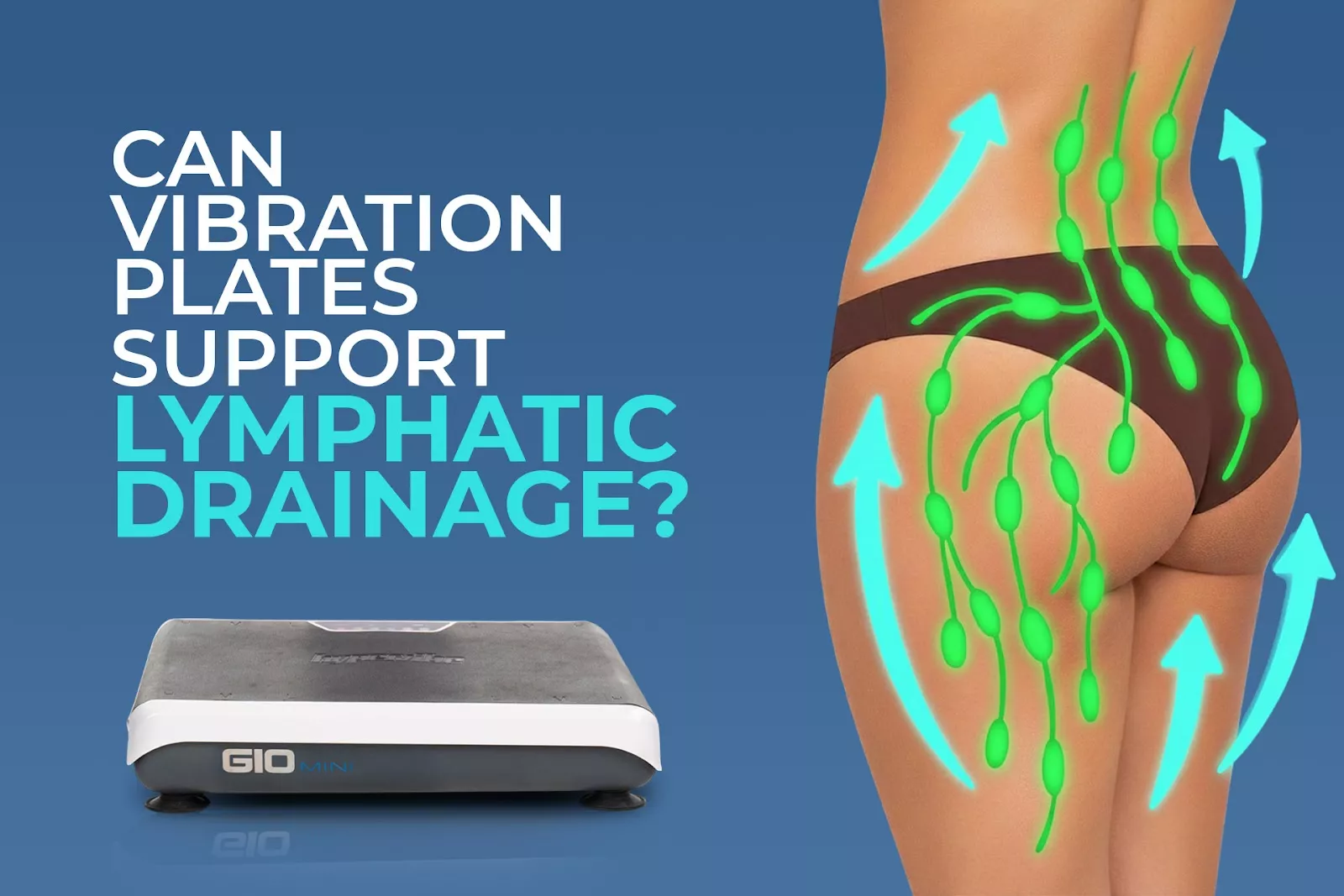
By boosting local circulation and lymph flow in the thighs and buttocks, WBV can help reduce fluid retention and tissue congestion, two contributors to the puffy, uneven look of cellulite.
Is a Vibration Plate Good for Cellulite?
When we talk about whether a vibration plate is “good” for cellulite, we’re really looking at three things:
Appearance smoothing: fewer obvious dimples and a softer “orange-peel” look.
Skin texture: firmer, tighter skin with better tone and circulation.
Circumference change: small reductions in thigh and hip measurements, usually when Whole Body Vibration (WBV) is combined with calorie control and cardio rather than used alone.
What the Vibration Studies Actually Show
In a 4-week pilot study on vibration-based treatment for cellulite in young women with stage 1–2 cellulite, participants used a vibration intervention 5 times per week for 60 minutes.
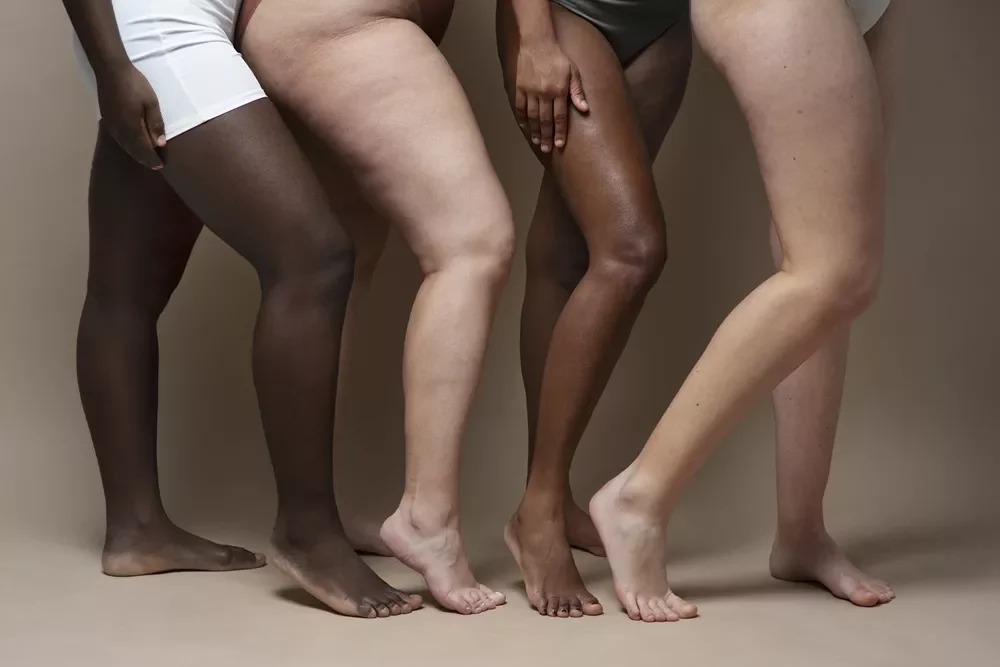
A close-up of women of different skin tones showing natural cellulite on their legs.
At the end of the study:
40% of women had complete remission of cellulite in the treated areas (stage 1 → 0).
The remaining 60% improved by one stage.
Thermographic measures (skin temperature) improved, suggesting better local circulation and tissue metabolism.
This shows that regular vibration sessions can visibly smooth early-stage cellulite and improve skin condition.
A larger 3-week Vibration Therapy program (15 sessions, 30–60 minutes) found:
Significant drops in cellulite grade across groups.
The strongest improvements were when women were treated while sitting for 60 minutes, which increased microcirculation in the thighs and buttocks.
A 2022 review of vibration treatments for cellulite (including both local devices and Whole Body Vibration (WBV) combined with other modalities) reports that:
Multiple small trials show reduced cellulite grades and, in some studies, reductions in thigh, hip, and waist circumference after about 3–4 weeks of regular vibration exposure.
Some protocols used vibration together with other technologies (e.g., low-level laser or ultrasound), which likely boosted fat-loss and skin-tightening effects.
Taken together, these data suggest that vibration can help reduce the appearance of cellulite, especially when used consistently over several weeks and, in many trials, as an adjunct to traditional exercise or other treatments rather than a stand-alone miracle fix.
Who Is Most Likely to See Results?
A Vibration Plate is usually most helpful for:
Early-stage cellulite (stage 1–2):
Mild dimpling that only appears when you pinch the skin or under certain lighting.
Vibration Training can help create smoother contours and better skin texture, especially when paired with cardio.
Individuals with higher body fat but still decent skin elasticity:
WBV can support:
fat burning,
muscle toning,
lymphatic drainage,
and collagen production,
which may help reduce puffiness and make the surface look more even.
People with more advanced cellulite (stage 3–4):
where they have marked dimples, nodules, and loose skin even at rest—usually need a multifaceted plan, for example:
A Vibration Plate to support muscle strength, circulation, and muscle tone.
Cardiovascular exercise and calorie control.
Professional cellulite treatments and/or medical procedures when appropriate.
How Long Before You See Changes?
Most realistic timelines for visible changes in cellulite with a Vibration Plate are:
First changes: around 4 weeks of consistent use (e.g., 3–4 sessions per week, 10–20 minutes, combined with cardio and healthy eating).
Clearer, more reliable improvements: usually 4–8 weeks, with ongoing sessions to maintain results.
Vibration Plates vs. Other Vibration Technologies—Do Design and Frequency Matter?
Yes.
The design of the device and the vibration settings you use can change how it acts on your tissues and how realistic it is to see cellulite-related benefits.
1. Types of Vibration Devices
There are at least four different types of Vibration Plates; you can learn more about them here.
However, only two are well researched: Pivotal and Linear.
Pivotal (Oscillating) Vibration Plates
The platform tilts up and down around a central pivot (like a seesaw).
One foot goes up while the other goes down.
Often used for sports, rehab, and medical environments
Good for leg and glute muscle activation, circulation, and lymphatic support.
Hypervibe Vibration Plates are pivotal machines.
Linear (Vertical) Vibration Plates
The platform moves straight up and down.
Can create a more “intense” feel at the same frequency as Pivotal because the whole body is moved uniformly. They’re also more jarring.
Often used in fitness club environments for total body strengthening.
Can be effective, but may feel too aggressive for some users if set too high.
Massage Chairs, Guns, and Handheld/Local Devices
Deliver local vibration to a specific body area (e.g., thighs, buttocks, hips).
Better for direct soft-tissue mobilization and local circulation in cellulite-prone zones.
Don’t create the same whole-body muscle and circulation effects as exercising on a Vibration Plate.
For cellulite, this means:
Standing on a vibration plate mainly engages muscles and systemic circulation.
Local devices can be placed directly on the thighs and buttocks, targeting the soft tissues where dimples appear.
2. Frequency, Amplitude, and Why They Matter
Three key settings define how a vibration device behaves:
Frequency (Hz) – how many times per second the device moves.
Amplitude (mm) – how far it moves with each cycle of motion.
G-force – how much force it applies to the body.
Research on circulation and cellulite-related outcomes suggests:
Circulation and microcirculation can be boosted at medium–higher frequencies (often in the 20–50 Hz range in lab setups), especially when combined with simple lower-body exercises.
Many home consumer plates run in a low to mid-frequency range (roughly 5–35 Hz), which is generally more comfortable and still useful for muscle activation, lymphatic flow, and gentle soft-tissue work.
Low-to-moderate amplitude (about 1–4 mm) is typically used for circulation, lymphatic support, and comfort.
Very high amplitudes or aggressive percussive devices can feel uncomfortable or be counterproductive, especially for sensitive users.
For cellulite goals, you don’t need extreme settings.
You need consistent, tolerable sessions that you can stick with over weeks.
Vibration Plate Exercises for Cellulite
If your goal is to smooth cellulite and firm the lower body, think of your vibration plate as a strength and circulation tool rather than a massage gadget.
You’ll get the best results by combining targeted lower-body exercises on the plate with off-plate cardio work.
On-Plate Lower-Body Routine (2–4× per Week)
Aim for 10–20 minutes per session, moving through these exercises in a circuit.
Start with 30–40 seconds of work and 20–30 seconds of rest per move.
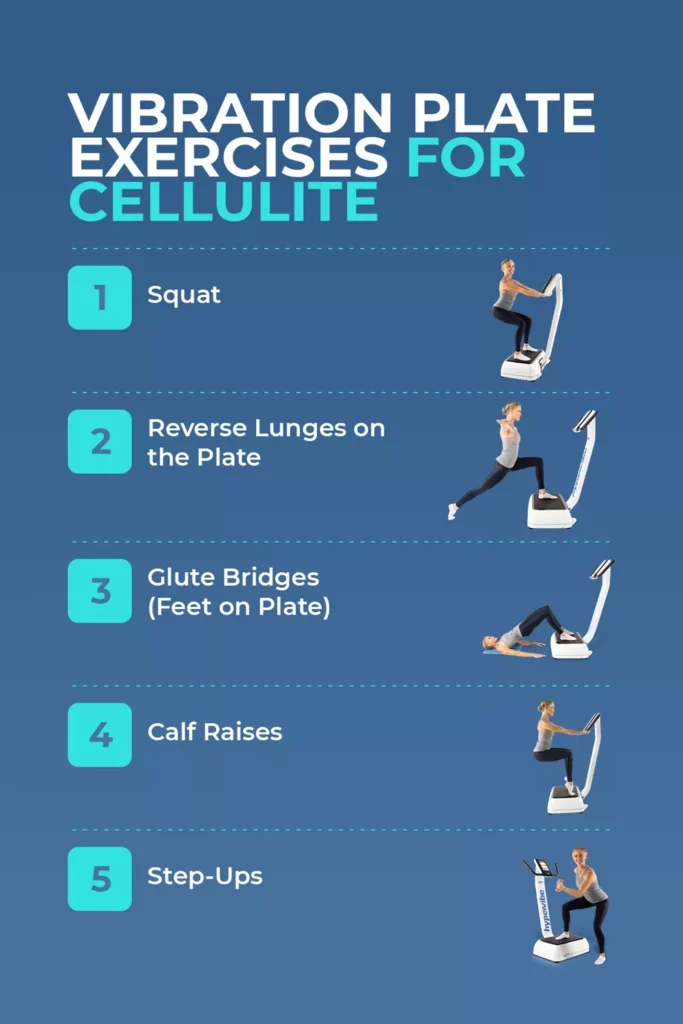
Infographic showing five effective vibration plate exercises that may help reduce cellulite.
1. Squat
Stand with feet hip- to shoulder-width apart, knees soft.
Lower into a comfortable squat and rise back up (small range).
Last 10 seconds: hold the squat (no movement).
Targets: thighs and glutes; boosts the muscle pump and circulation in cellulite-prone areas.
2. Reverse Lunges on the Plate
Stand on the plate, step one foot back onto the floor into a lunge, and then return.
Alternate legs, keeping your front knee over your midfoot.
Targets: glutes, hamstrings, and quads; helps with hip and thigh contour.
3. Glute Bridges (Feet on Plate)
Lie on your back with your feet on the plate and knees bent.
Lift your hips until your body forms a straight line from shoulders to knees.
Add a 5–10-second squeeze at the top of each rep.
Targets: glutes and hamstrings; supports lifting and firming through the buttocks.
4. Calf Raises
Stand tall on the plate, holding the handles or wall if you don’t have handles.
Slowly rise onto your toes, then lower under control.
Great for the calf “muscle pump” that assists venous and lymphatic flow.
5. Step-Ups
Place one foot on the plate and the other on the floor.
Step up, bring both feet onto the plate, then step back down.
Alternate the leading leg.
Builds strength and endurance in thighs and glutes.
You can finish with a 30–60-second leg massage on the plate to stimulate circulation one last time.
Off-Plate Cardio for Remodeling
To really change how your tissues look and feel over time, combine your plate work with regular cardio 3–5× per week:
Brisk walking (outdoors or on a treadmill)
Cycling (upright or recumbent bike)
Elliptical or low-impact stepper
Swimming or water aerobics
Jogging, if your joints can tolerate it
These activities help:
Support fat loss and healthier body composition, which can make dimpling less pronounced.
Improve circulation and lymphatic flow in the legs and hips, helping reduce fluid retention and that “heavy” feeling.
Promote gentle, repeated loading of the lower body, which over time supports tissue health and resilience under the skin.
Step-by-Step Program and Tracking
You don’t need brutal workouts to see benefits; you need consistent, progressive work plus rest.
Progress by adding resistance (bands, dumbbells), increasing time under tension (slower reps, longer holds), or adding an extra set rather than cranking intensity to extremes.
Always keep at least 1–2 rest days per week from heavy lower-body work so muscles, connective tissues, and the nervous system can recover.
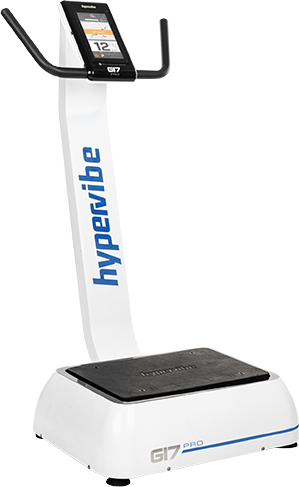
Hypervibe G17 Pro V2
Reduces Body Fat
Strengthen Muscles, Joints & Bones
WIFI
40 x Therapist Designed Programs
$5,749.00Original price was: $5,749.00.$4,886.65Current price is: $4,886.65.
Complementary Strategies and Lifestyle Integration
Cellulite is influenced by muscle tone, fat distribution, circulation, hormones, and genetics—so stacking smart habits gives you the highest chance of seeing and keeping smoother skin.

A woman enjoys fresh fruit after a workout in a bright, modern home setting.
1. Diet and Body Composition
You can have cellulite at any size—but higher body fat and frequent weight cycling usually make dimpling more noticeable.
That’s why calorie-controlled, nutrient-dense eating is important.
Aim for a modest calorie deficit if fat loss is a goal (slow and steady is kinder to your skin than crash dieting).
Prioritize adequate protein (roughly 1.6–2.2 g/kg/day for active adults, or as advised by your clinician) to support muscle retention and collagen maintenance.
Load up on fiber-rich foods (vegetables, fruits, legumes, and whole grains) to help regulate appetite, blood sugar, and gut health.
Minimize ultra-processed foods, high added sugars, and excessive alcohol, which are linked with inflammation and poorer skin quality.
2. Cardio and Walking
Cardio doesn’t “melt cellulite,” but it absolutely supports the systems that influence it:
Walking boosts circulation, activates the calf muscle pump, and helps with lymphatic flow in the lower body.
Regular moderate cardio (brisk walking, cycling, swimming) burns calories, supports heart and metabolic health, and helps maintain lower body fat.
3. Massage and Recovery
Massage—whether manual, cupping, or with mechanical rollers—can:
Temporarily increase blood and lymph flow.
Reduce fluid pooling and make the skin look a bit smoother for a short period.
Help with soreness after training and encourage relaxation.
4. Stress Management
Chronic stress can raise cortisol, drive cravings, disrupt sleep, and promote fat storage in stubborn areas like the hips and thighs.
Over time, that can make cellulite more pronounced, even if your workouts and diet are decent.
Building simple, sustainable stress-management habits helps create a more hormone-friendly, recovery-friendly environment for your skin and tissues to respond to Vibration Training and other forms of lifestyle support.
Practical strategies to weave into your week:
Daily movement like stretching and yoga
Breathwork and relaxation: 3–5 minutes of slow, deep breathing
Sleep hygiene: Aim for a consistent 7–9 hours of quality sleep.
Boundaries and downtime
5. Other Treatments: What to Know
There are professional, energy-based treatments that target cellulite more aggressively, such as
Radiofrequency and combined radiofrequency–microneedling
Shockwave therapy (acoustic wave)
Laser and light-based devices
Subcision or injectable treatments that release fibrous septa
For advanced cellulite (higher stages with deep dimples and nodules), or when the cosmetic impact really affects your quality of life, it’s wise to consult a board-certified dermatologist or aesthetic physician.
Discuss realistic outcomes, risks, costs, and maintenance plans before committing to any procedure.
FAQs
- How long should I use a vibration plate for cellulite?+
Most people do well with 10–20 minutes per session, 2–4 times per week.
Beginners can start with 5–10 minutes and simple positions (squats and calf raises), then gradually add time, platform settings, and more challenging exercises.
Visible changes in cellulite usually take 4–8 weeks of consistent use and are best when you also work on strength training, diet, and daily movement.
- Does a vibration plate break up cellulite?+
Not literally.
A vibration plate does not “break up” cellulite like a jackhammer.
Instead, it can reduce the appearance of cellulite by:
Increasing muscle activity and energy use in the legs and glutes.
Boosting circulation and lymphatic flow, which can reduce fluid retention.
Supporting fat-loss efforts when paired with a calorie-controlled diet and cardio.
- Why are my legs toned, but I still have cellulite?+
Cellulite is not just about fat or weak muscles.
You can be lean and strong and still have dimples because cellulite also involves:
Connective tissue bands (septa) pulling the skin down.
Fat lobules pushing up.
Skin thickness, hormones, and genetics.
Toned legs can make cellulite less noticeable, but they can’t completely erase the underlying structure.
- Is cellulite from poor lymphatic drainage?+
Partly, but not entirely.
Sluggish lymphatic and venous flow can contribute to puffiness and a more pronounced “orange-peel” look.
However, cellulite is also driven by connective-tissue architecture, hormones, fat distribution, and genetics.
Fixing lymphatic drainage alone will not eliminate cellulite, but improving it can help with mild smoothing.
- Does improving circulation help cellulite?+
Yes, better circulation can:
Reduce fluid retention and heaviness.
Improve nutrient and oxygen delivery to the skin and underlying tissues.
This often makes cellulite look a bit smoother, especially in early stages.
It doesn’t rebuild the fibrous septa, so it’s a supportive strategy, not a permanent fix.
- What is the fastest way to get rid of cellulite on legs?+
There is no truly “fast” or permanent way.
Realistic strategies for smoother legs include:
Whole Body Vibration
Calorie-controlled nutrition to reduce excess body fat.
Walk to support circulation and lymphatic flow.
Dermatologic treatments (for advanced cases), such as procedures that release fibrous bands.
Marketing promises of “getting rid of cellulite in 7 days” are not evidence-based.
- Can cellulite be massaged out?+
No.
Massage (manual or with devices) can:
Temporarily increase blood and lymph flow.
Reduce fluid pooling and make the skin look smoother for a few hours or days.
Help with soreness after training and encourage relaxation.
However, it does not permanently change the connective-tissue structure causing dimples.
Use massage as a recovery and comfort tool, not your main cellulite treatment.
- How does a vibration plate help with cellulite?+
A vibration plate may help cellulite by:
Triggering rapid muscle contractions in the legs and glutes (enhancing the “muscle pump,” increasing tone, and building firm, supportive muscle).
Boosting circulation and microcirculation in cellulite-prone areas.
Supporting lymphatic drainage, which can ease mild swelling.
The result for many people is subtly smoother skin and better leg contour, especially with early-stage cellulite and consistent use.
- What vitamin deficiency causes cellulite?+
There is no single vitamin deficiency proven to cause cellulite.
Cellulite is primarily about connective tissue, fat structure, hormones, and genetics.
Poor overall nutrition may worsen skin quality, but you can’t “fix” cellulite by taking just one vitamin.
A balanced diet with adequate protein, vitamin C, and other micronutrients supports collagen and skin health, but it won’t erase dimples on its own.
- What is stage 4 cellulite?+
Stage 4 cellulite (on scales that include it) refers to very advanced cellulite with:
Deep, visible dimples and bumps at rest.
Noticeable nodules or bulges.
Often significant skin laxity and an uneven, “mattress-like” surface.
At this stage, home methods (cardio, WBV, massage) can support tissue health, but meaningful change usually requires professional medical or aesthetic treatments combined with lifestyle support.
- Does walking get rid of cellulite?+
Walking by itself does not get rid of cellulite, but it’s still valuable because it:
Improves circulation and lymphatic flow.
Helps burn calories and support healthy body weight.
It’s gentle on you joints and easy to sustain long-term.
Use walking as a foundation habit alongside strength training, WBV, and good nutrition.
- Why do my legs suddenly have so much cellulite?+
Common reasons include:
Weight gain or fluid retention.
Hormonal changes (puberty, pregnancy, perimenopause, starting/stopping certain medications).
Reduced activity levels or more time sitting.
Age-related skin changes (thinner, less elastic skin revealing underlying structure).
If the change is very sudden, painful, or accompanied by swelling, see a health professional to rule out vascular or other medical issues.
- What is the most successful treatment for cellulite?+
There is no single “most successful” treatment that works for everyone, but the best-supported options often:
Release or cut fibrous septa (e.g., subcision, injectable collagenase).
Use energy-based devices (radiofrequency, laser, or acoustic wave) to tighten and remodel tissue.
These can improve cellulite by one or more grades, but results are modest, variable, and often temporary, and they work best alongside exercise, diet, and daily movement.
A board-certified dermatologist can help you choose a suitable option.
- Is cellulite just fat or something else?+
Cellulite is not just fat.
It’s a combination of:
Fat lobules pushing upward.
Fibrous connective bands pulling the skin downward.
Skin thickness, hormones, and circulation.
That’s why simply “losing fat” doesn’t always solve it—and why structural treatments and strength training can be helpful.
- What is the best exercise to get rid of cellulite?+
There isn’t one magic move, but the most useful exercises for cellulite are:
Compound lower-body lifts: squats, lunges, deadlifts, hip thrusts, and step-ups.
Glute-focused work: bridges, kickbacks, and band walks.
Regular walking or low-impact cardio.
These exercises build and shape muscle, support healthy body fat levels, and improve circulation—giving your skin a firmer, more supported base so cellulite is less obvious.
The results can be improved by exercising on a Whole Body Vibration (WBV) platform.
Rockell Williamson-Rudder is a movement specialist and fitness educator with a background in boutique fitness, WBV training, and Pilates. As International Program Director at Hypervibe, she has developed training programs for therapists and trainers worldwide. A former professional dancer and global fitness leader, she has helped expand wellness brands internationally.