
A$1,759.00
Shop Now
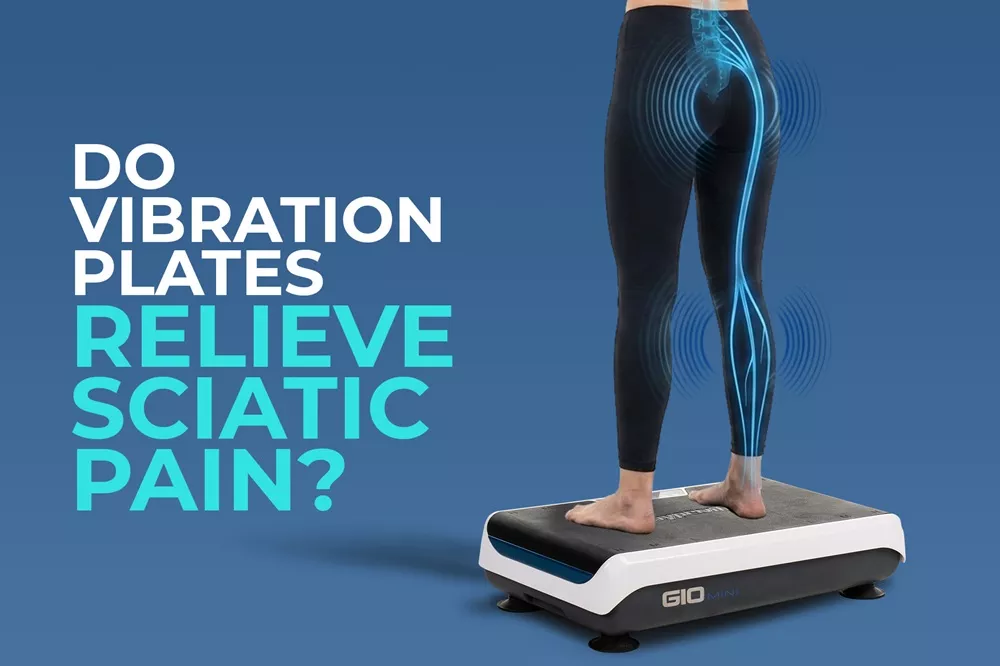
Yes, a Vibration Plate can help with sciatica pain by relaxing and strengthening tight muscles, improving circulation, and reducing pain signaling.
When used at low settings with safe exercises, many people report reduced pain and stiffness.
Other Key Things to Note When Using Vibration Plates for Sciatica:
| Question | Short Answer |
| Who should avoid it? | People with severe, worsening, or unexplained sciatic pain, an acute disc injury, or concerning neurological symptoms should seek medical advice beforehand. |
| What are the best beginner exercises? | Static standing, mini-squats, pelvic tilts, and modified hamstring stretches at great at low intensity |
| How long before you see improvements? | Some notice short-term relief after 1-2 sessions; meaningful changes typically require consistent use over several weeks. |
| Does the type of vibration plate matter? | Pivotal vibration movement is often better tolerated for sciatic nerve pain because it mimics walking compared to the lineal vibration movement, which is more like jumping on two legs. |
Sciatica refers to pain and other nerve-related symptoms that follow the path of the sciatic nerve, typically starting in the lower back or buttock and traveling down one leg.
Sciatica pain may feel sharp, burning, or aching, or be accompanied by tingling or numbness.
Symptoms may vary depending on posture, movement, or load on the spine and hips.
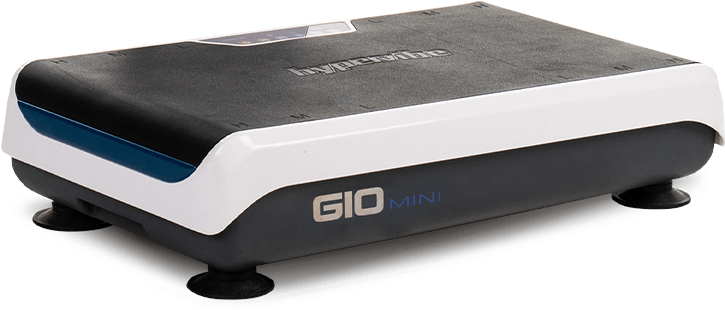
Hypervibe G10 MINI V2


 A$1,759.00
Shop Now
A$1,759.00
Shop Now
There are no randomized controlled trials (RCTs) that study Vibration Plates specifically for sciatica.
Most of what we know comes from research on chronic low back pain, neuromuscular function, and flexibility—conditions that frequently overlap with sciatica pain patterns.
Systematic reviews and trials report that Whole Body Vibration (WBV), when used at low to moderate settings, is associated with:
Since many people with sciatica also have chronic low back pain, these findings help explain why Vibration Plates may support symptom relief.
However, they do not replace diagnosis or targeted treatment of nerve compression.
Whole Body Vibration does not decompress the sciatic nerve enough when severe conditions exist.
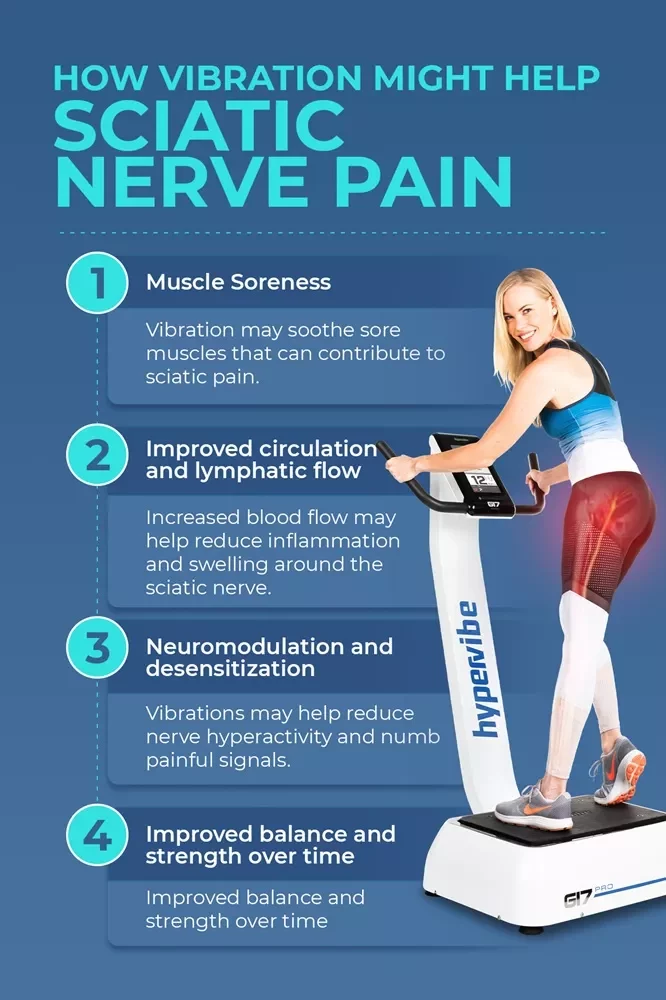
A breakdown of how whole-body vibration therapy can potentially alleviate sciatic nerve symptoms.
Instead, its benefits are common in less severe situations due to physiological effects that increase flexibility, open up anatomical space through added mobility,
Low-frequency vibration can reduce excessive muscle soreness in the glutes, piriformis, and hamstring muscles that often tighten protectively in people with sciatica pain.
This helps restore healthy function.
Whole Body Vibration (WBV) has been shown to enhance peripheral blood flow and lymphatic movement, supporting tissue oxygenation and metabolic waste clearance.
It can help relax muscles too.
Studies show vibration activates the tonic vibration reflex, stimulating muscle spindles and altering pain signal processing at the spinal and cortical level.
This may reduce pain sensitivity without directly altering nerve structure.
Research also shows that WBV can improve lower-limb strength, proprioception, and balance.
Over time, this may lower the risk of repeated flare-ups by improving load tolerance, postural stability, and confidence in movement.
Vibration Therapy is not appropriate in every case of sciatica.
It is unlikely to be helpful—and may be unsafe when:
The exercises below form a safe, scalable sciatica exercise library using Vibration Plates.
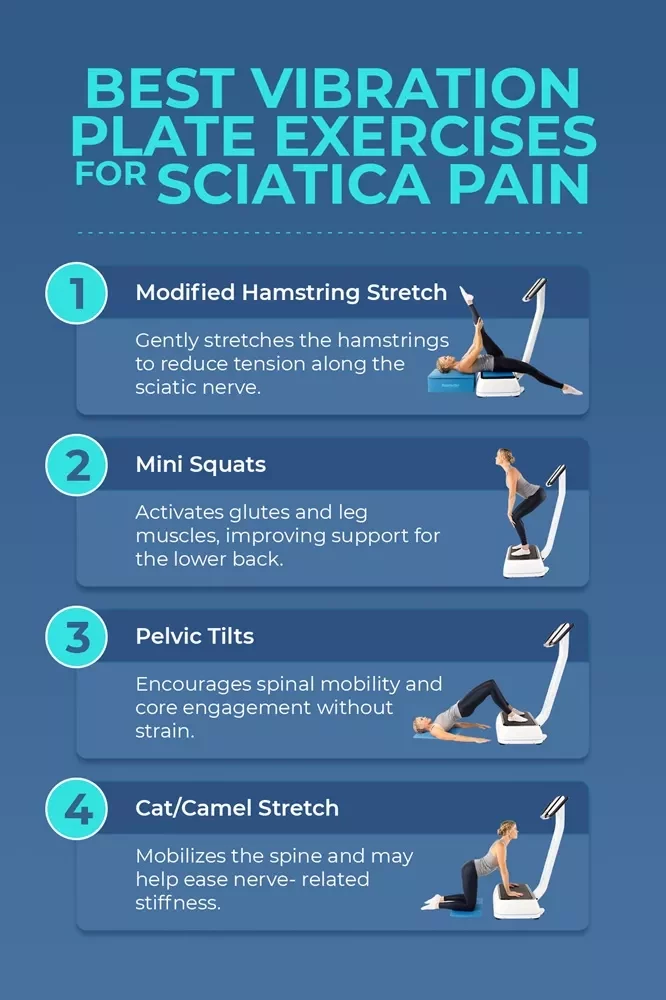
Recommended low-impact exercises to perform on a vibration machine to reduce sciatic nerve tension.
Each movement is selected to reduce muscle tension, improve circulation, reduce pain sensitivity, and gently strengthen the lower body muscles without irritating the sciatic nerve.
What it targets
How to do it
Beginner vs Intermediate
What it targets
How to do it
Beginner vs intermediate
What it targets
How to do it
Beginner vs intermediate
What it targets
Spinal mobility, lumbar flexion-extension control, and gentle neural movement that may help reduce stiffness linked to sciatica pain.
How to do it
Beginner vs intermediate
Nerve-related pain requires low frequency (about 8–15 Hz), low amplitude, and short sets (30–60 seconds) with rests between efforts.
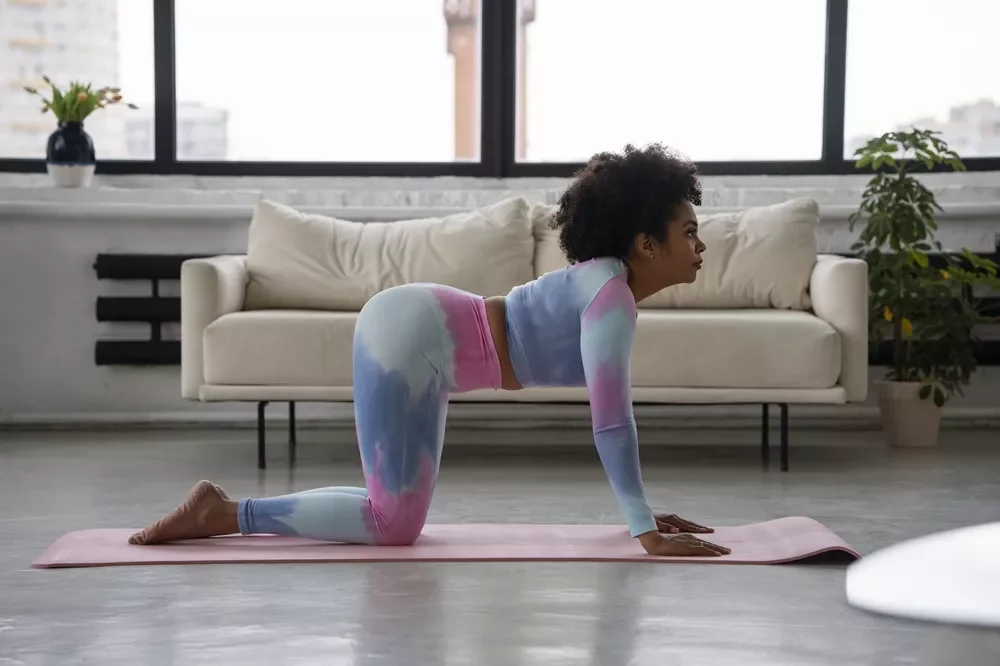
Practicing spinal mobilization exercises like the cat-camel stretch to help ease nerve-related stiffness.
Start conservatively and build only if symptoms remain stable.
Goal: reduce stiffness from prolonged sitting; restore movement and flexibility
What to do:
Goal: circulation, joint motion, and confidence—without standing.
What to do:
Safety first:
Use handrails or a chair back when needed.
Goal: relax muscles and restore balance after training.
What to do:
The results of Vibration Therapy are gradual and variable, especially with nerve-related pain.
Below is a realistic timeline based on first-hand user feedback, clinician observations, and how sciatica typically responds to consistent, low-load movement.
Common early changes include:
By around one month of consistent use (2–3 times per week), some people notice:
Longer-term improvements may include:
Long-term results can vary widely based on the following factors:
Hypervibe G14 Home V3
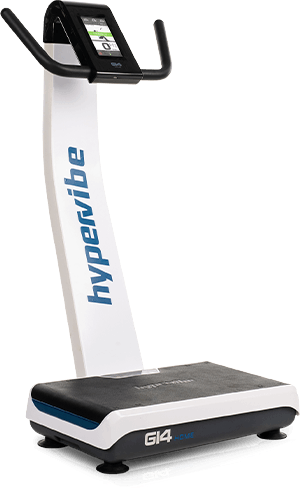

 A$3,969.00
Shop Now
A$3,969.00
Shop Now
Yes, Vibration Plates are generally safe for most people unless you have a contraindicated condition, in which case you should consult your doctor first.
Most adults can try Vibration Plates safely when symptoms are stable and predictable—especially if movement typically helps rather than aggravates pain.
You may be a reasonable candidate if you are:
In these cases, vibration training is well tolerated when approached cautiously.
According to clinical insights and leading fitness studies, Vibration Training should be avoided by individuals with certain conditions. The most common include:
If you are unsure, speak with your healthcare provider before starting a Vibration Training program.
The mistakes below are the most common reasons people report flare-ups or worsening sciatic symptoms.
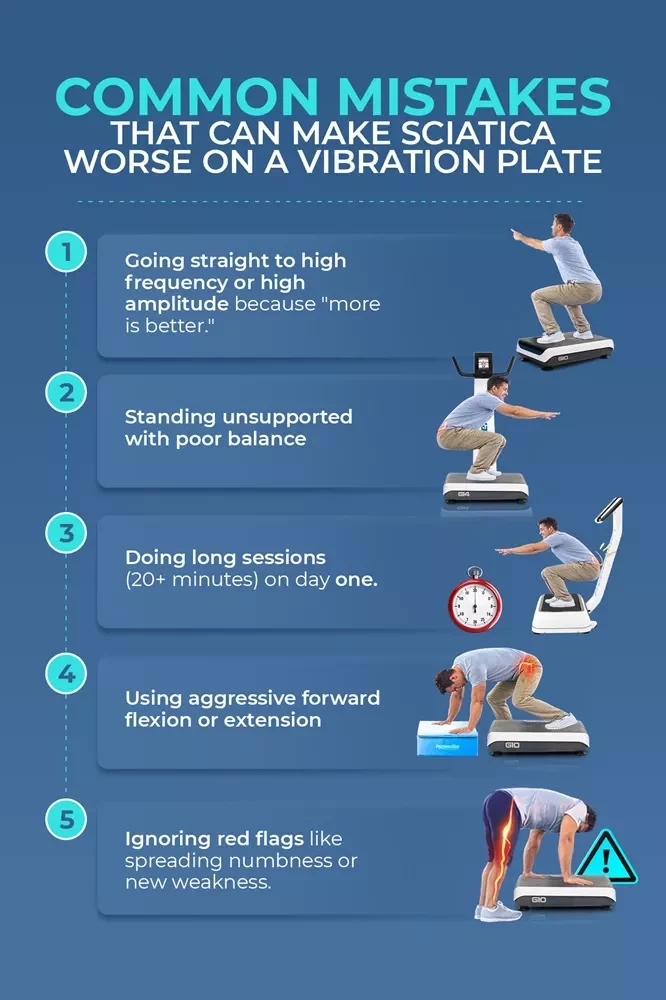
Essential safety tips and mistakes to avoid when starting vibration therapy for nerve pain.
Avoiding them builds trust, improves comfort, and helps ensure safety.
For sciatica, aggressive vibration can overload sensitive nerve tissue and surrounding muscles.
Start low and slow; nerve-related pain typically tolerates gentle stimulation, not maximal intensity.
Unstable standing can trigger protective muscle guarding around the hips and lower back for balance compensation.
This often worsens sciatica pain rather than relieving it.
Use support if you need it.
Prolonged exposure early on can irritate symptoms before tissues have time to adapt.
Short sessions with rest are safer and more effective than pushing duration too soon.
Deep bends forward or backward (loaded spinal flexion or extension) can increase pressure on irritated discs and nerve roots.
If your sciatica worsens with bending, keep movements upright, supported, and within a comfortable range.
Symptoms that travel further down the leg, increase numbness, or cause weakness are signals to stop.
Continuing despite these changes can delay proper diagnosis and care.
Use this quick check every time you begin—or return after a flare-up.
Before
During
After
Keep It Conservative
Below is a practical comparison to help you understand where Vibration Plates sit alongside other common sciatica management tools.
| Vibration Plate | Physio/Chiro/PT | Massage Gun | Traditional Home Exercises | |
| Pain relief | Moderate; reduces stiffness and muscle-related sciatica | High; addresses cause and progression | Low; Short-term, localized relief | Mild to moderate; depends on consistency |
| Time required | 10–15 min per session | Depends on appointment | 5–10 min per area | 20-40 min per session |
| Supervision needed | Low; Not necessary | High (expert-led) | Low | Mod-High |
| Home convenience | High | Low | High | High |
| Long-term benefit | Good | Best | Low | Good if done regularly |
A home-based symptom management tool.
Vibration Plates support pain management by improving circulation, reducing muscle tone, reducing pain sensitivity, and strengthening the lower body.
This makes them useful for people with recurring or posture-related sciatica who need something they can use regularly at home.
These are the gold standard for assessment, diagnosis, and progression.
Clinicians can identify whether sciatica is disc-related, stenotic, muscular, or load-driven—and adjust treatment accordingly.
Therapy is especially important during flare-ups, neurological changes, or rehabilitation phases.
These tools offer localized symptom relief, particularly for tight glutes, calves, or hamstrings.
However, they do not provide much beyond that.
Their effects are primarily short-term and localized.
Accessible and low-cost, these are excellent foundations.
Their effectiveness depends heavily on exercise selection, technique, and consistency.
For some people, stretching alone may not provide enough stimulus to reduce stiffness or improve load tolerance.
The most effective sciatica plans are usually integrated.
This layered approach helps manage chronic or recurring sciatica over time—using expert care to guide decisions and home tools to maintain progress between sessions.
There are two well-researched types of Vibration Plate: pivotal and lineal.
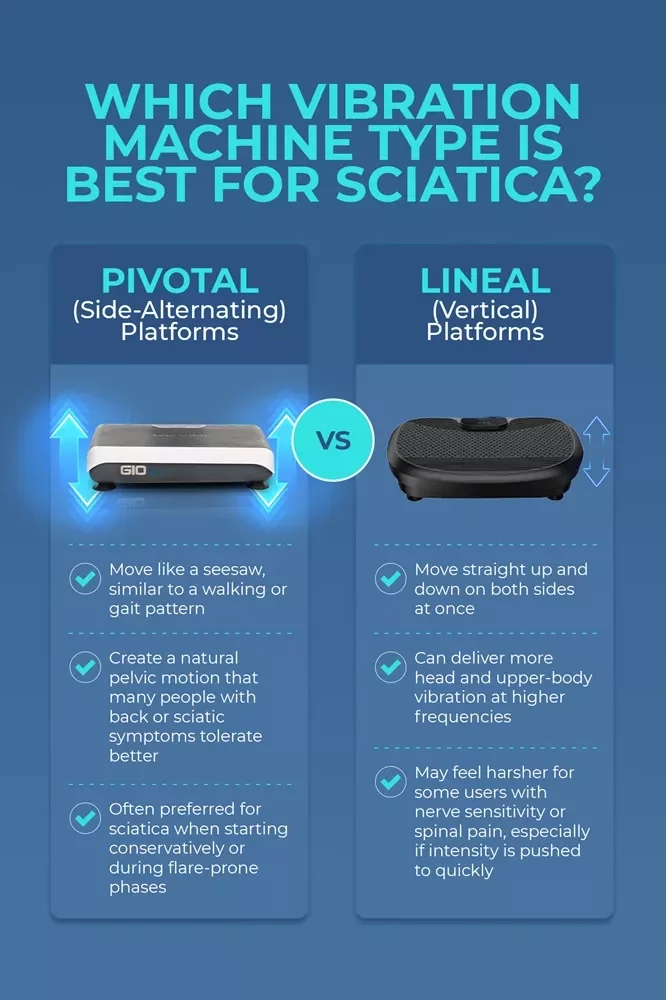
Choosing between pivotal and lineal vibration machines based on nerve sensitivity and pelvic motion.
Pivotal (side-alternating) platforms
People with sciatica may experience better comfort and control on pivotal platforms, particularly at low settings and with supported positions.
For nerve-related symptoms like sciatica, focus on lower frequencies and lower amplitudes—not aggressive vibration.
Some low-cost machines advertise vibration but lack precise control or usable therapeutic ranges.
Others top out below ranges commonly used in research, limiting progression and consistency.
Hypervibe G17 Pro V2
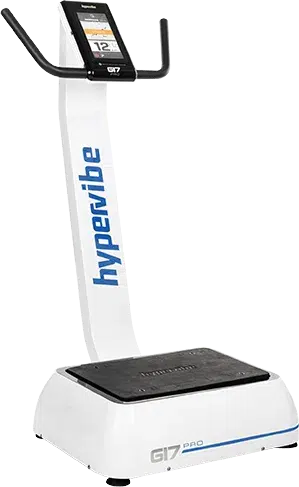
A$5,699.00
Shop Now
When choosing a Vibration Plate, pay attention to the design and control features that best match users with sciatica.
Power Plate has helped popularize vibration as a low-impact, home-friendly movement option.
There are clear strengths that make it appealing to many users:
Hypervibe’s approach places more emphasis on clinical control and adaptability, which is particularly relevant for people managing nerve pain rather than general fitness.
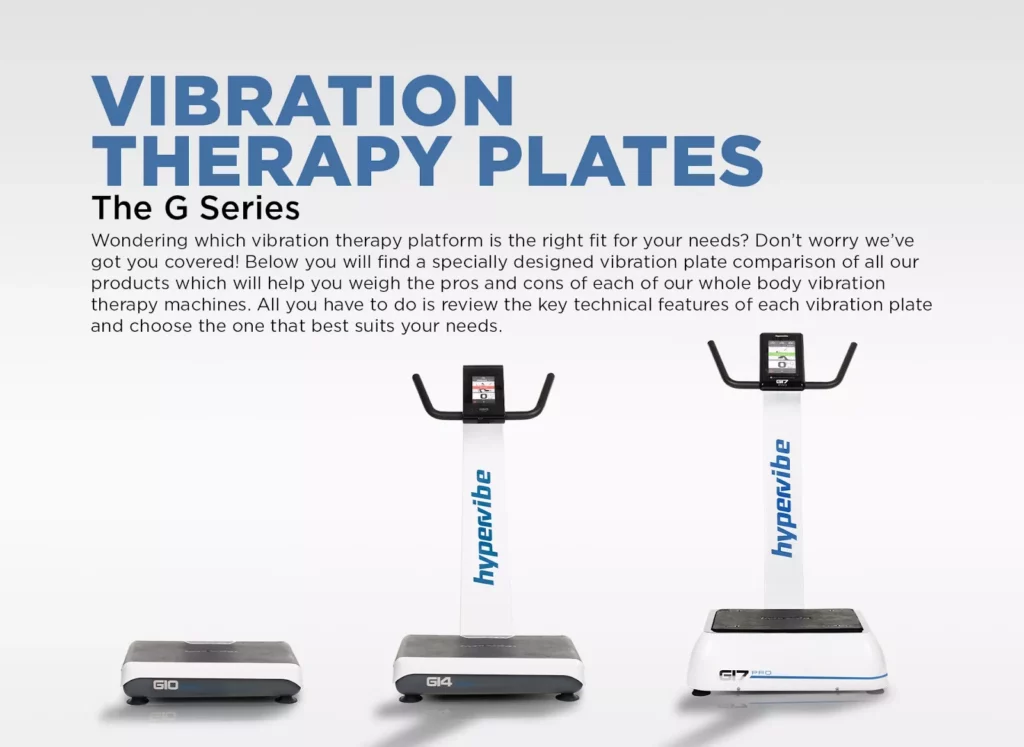
An overview of the Hypervibe G Series line-up, designed to help users choose the right whole-body vibration machine for their needs.
Key differentiators for sciatica users include:
Hypervibe platforms use side-to-side vibration that mimics natural gait mechanics.
This creates a pelvic motion many people with back or sciatic symptoms find easier to tolerate than straight up-and-down vibration.
This wider range allows you to start very gently during nerve-sensitive phases (low frequency, low G-force), then progress later to balance or strength work without switching machines.
Capable of higher outputs which allow progression beyond just pain relief.
Hypervibe systems are used in clinical and professional settings, with controls and use cases aligned to the broader body of Whole Body Vibration (WBV) research.
This makes them easier to integrate alongside physiotherapy or rehabilitation programs.
Yes, a Vibration Plate can help with sciatica, mainly by reducing muscle tension, improving circulation, decreasing sensitivity, and strengthening the lower body. It does not fix nerve compression, but when used at low settings with appropriate exercises, many users report less stiffness and improved tolerance to sitting, standing, or walking. If your disc-related sciatica is stable and improves with gentle movement, low-frequency, low-amplitude vibration may be tolerated. If pain is acute, inflammatory, or worsens with loading or forward bending, you should avoid vibration and speak with a clinician first. Most people do best with 2–3 sessions per week, especially when starting. Sessions are usually short (5–15 minutes total). Daily use is not required, and more frequent sessions do not automatically mean better results for nerve pain. Start as low as the machine allows: Yes—if used incorrectly. Common reasons include starting at high intensity, standing unsupported, doing long sessions too soon, or ignoring warning signs such as spreading numbness or weakness. When used correctly and adjusted to symptoms, flare-ups are much less likely. They do different jobs: Many people use both. No, all Hypervibe models are suitable for people with sciatica. They offer:
FAQs
- Can a vibration plate help with sciatica?
- Can I use a vibration plate if I have a herniated disc?
- How often should I use a vibration plate for sciatica?
- What’s the safest setting for beginners with nerve pain?
- Can a vibration plate make sciatica worse?
- Vibration plate vs massage gun for sciatic pain: which is better?
- Do I need a specific Hypervibe model for sciatica?
Sciatica responds best to precision—choosing the right platform type, starting with low settings, avoiding common mistakes, and integrating vibration with walking, physiotherapy, or rehabilitation exercises.
If you are considering a Vibration Plate for sciatica, explore the Hypervibe Buyer’s Guide to understand:
Browse the Hypervibe range to see platforms designed for low-tolerance starts, precise control, and long-term progression—whether you are managing recurring sciatica or supporting recovery alongside a clinician.


Updated on: 08.09.2021 The lymphatic system is involved not only...
Rebounding (an exercise technique involving jumping on a mini-trampoline) is...
Core exercises done on a Vibration Plate—like Planks, V-sits, and...
Various theories exist to answer this question. As you will...
Stress can make you gain weight – we’ve heard this...
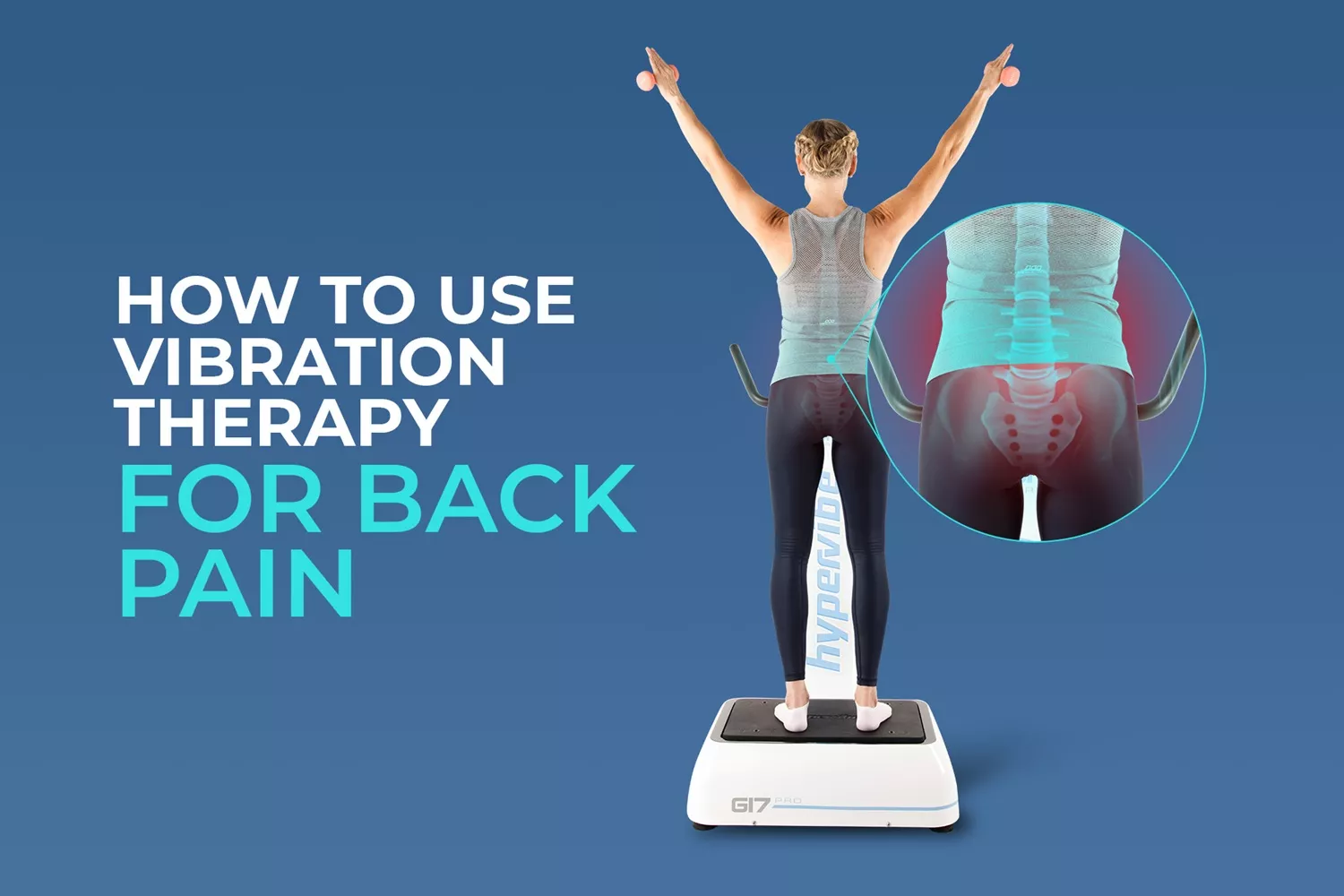
Vibration Plates can help manage certain types of back pain by strengthening muscles, improving circulation, and supporting healthy movement. When...
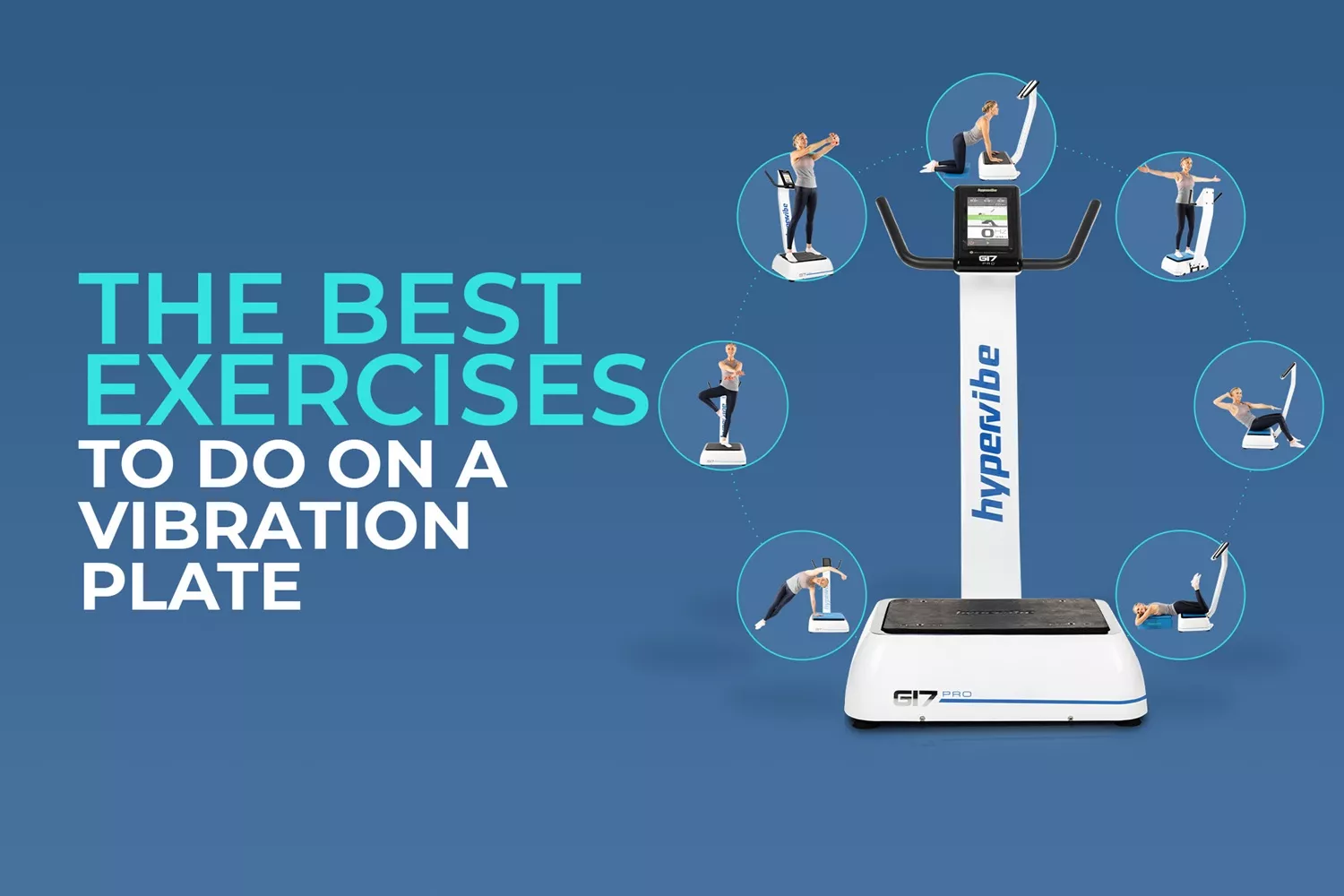
Vibration Plate exercises, also called Whole Body Vibration exercises, involve common exercises such as squats, lunges, push-ups, triceps dips, calf...
Whether you are new to whole-body vibration (WBV) or are looking to level up your exercise regime, the first step...
One of the frequent questions asked by people with osteoporosis when first trying whole body vibration platforms is whether these...
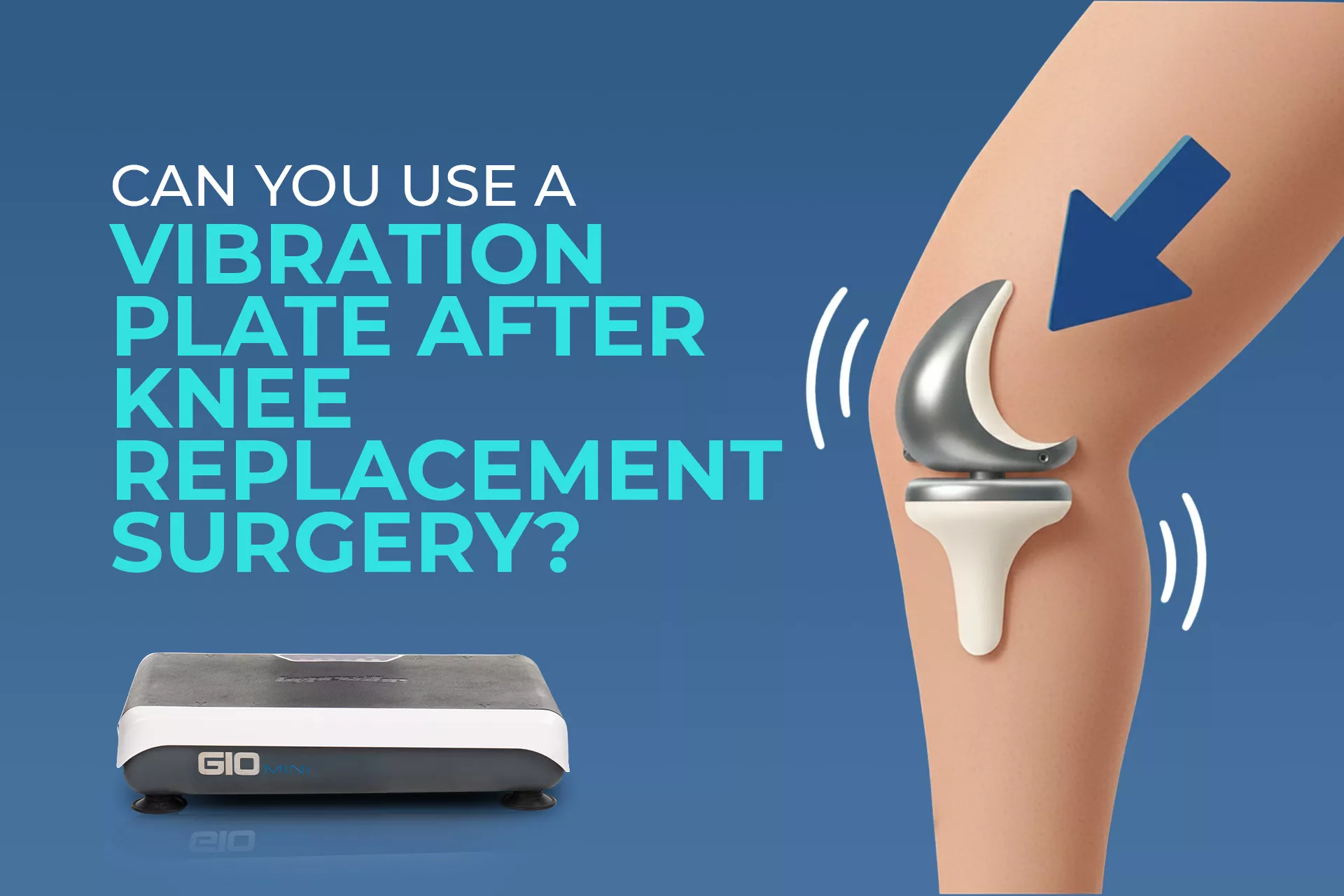
Yes, many people can safely use a Vibration Plate as part of their recovery from knee replacement surgery, but only...
The health benefits of using vibration plates to burn fat and develop muscle are numerous, including but not limited to...
Updated on: 08.09.2021 The lymphatic system is involved not only...
Rebounding (an exercise technique involving jumping on a mini-trampoline) is...
Core exercises done on a Vibration Plate—like Planks, V-sits, and...

Various theories exist to answer this question. As you will...

Stress can make you gain weight – we’ve heard this...