
A$1,759.00
Shop Now
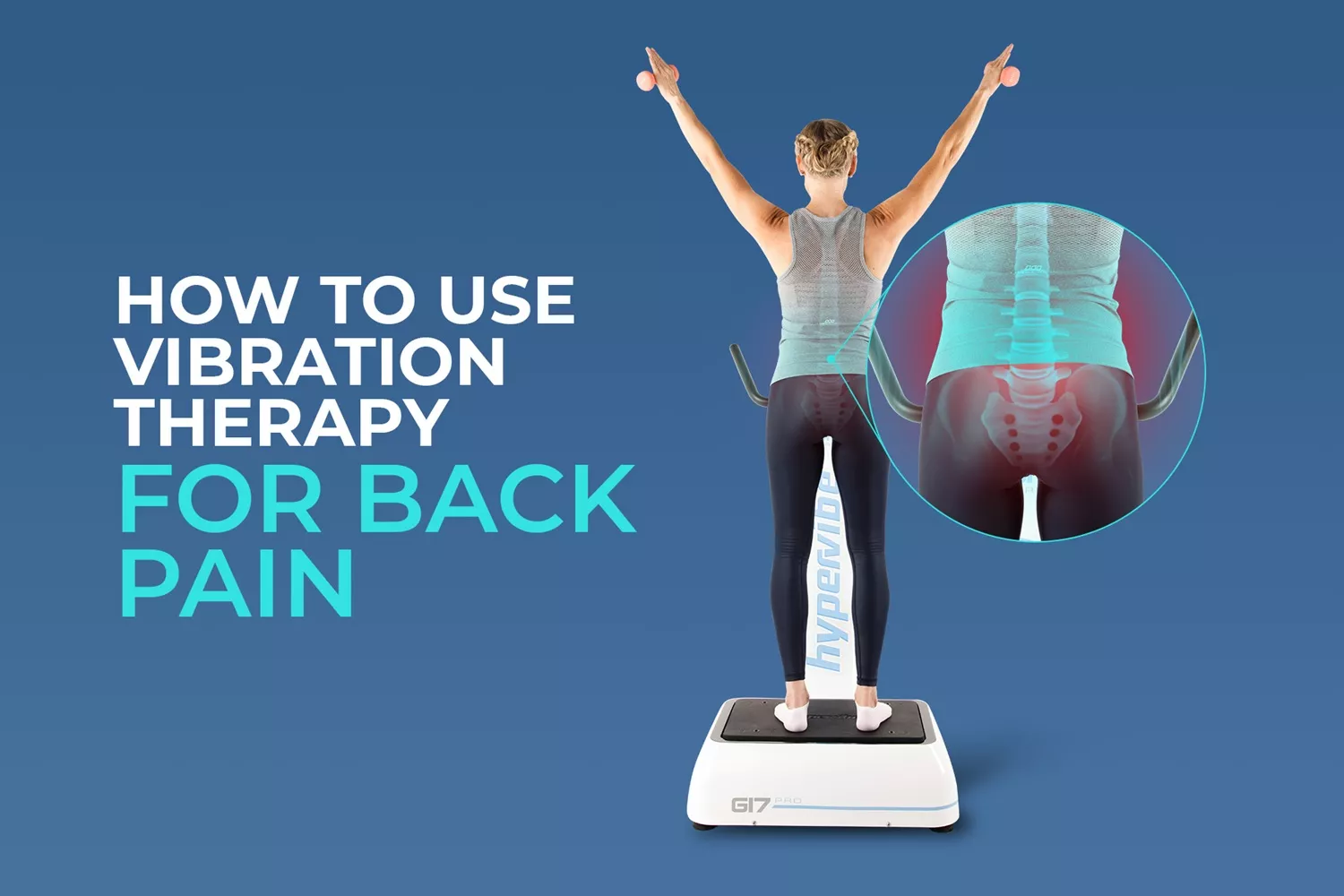
Vibration Plates can help manage certain types of back pain by strengthening muscles, improving circulation, and supporting healthy movement.
When used at the correct intensities with the right positioning, Whole Body Vibration exercises can also reduce tightness and improve overall function.
Safe Starting Routine in 5 Steps
Vibration Training is a technique that uses mechanical vibration to stimulate muscle contractions, thereby increasing strength, bone density and supporting weight loss goals.
The vibration is delivered through a platform that moves up and down at various frequencies and amplitudes.
These combinations result in what’s called G-force.
The higher the G-forces, the more resistance, and the more your body engages.
The more engagement, the more benefit.
In addition to the benefits mentioned above, Vibration Training can enhance mobility and flexibility, support lymphatic function and circulatory system health, and improve balance.


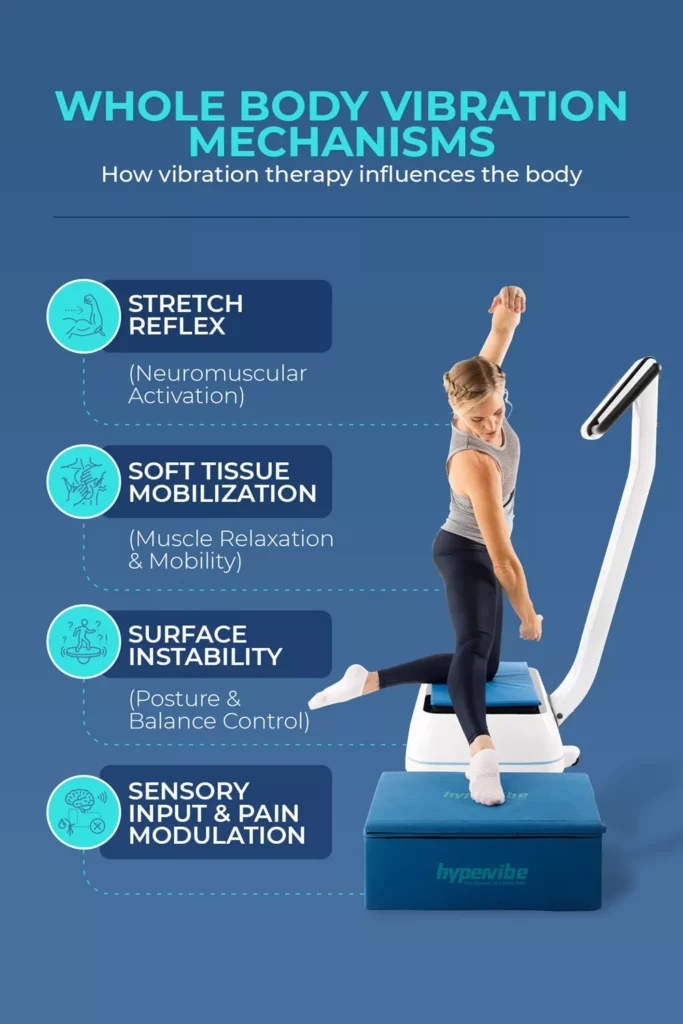
The biological mechanisms behind how Whole Body Vibration (WBV) improves mobility and reduces pain.
As the platform moves, generating g-forces, it creates rapid changes in the length of your muscles.
This triggers the stretch reflex in response to the force.
It’s the same automatic response your doctor tests with a reflex hammer.
For back pain, this matters because:
The small oscillations from the platform create repeated micro-movements through muscles and connective tissue.
This can:
For back pain linked to stiffness or prolonged sitting, this loosening effect can help people feel relief and increased movement.
Because the platform is moving rapidly, your body constantly makes small automatic adjustments to stay upright and maintain your center of gravity.
This challenges:
Over time, this can improve how your body stabilizes the spine during everyday movements such as standing, walking, and bending.
Your nervous system constantly processes sensory signals from muscles, joints, and skin.
High amounts of vibration provide strong, non-threatening sensory input, which can:
This doesn’t block the source of pain permanently, but it can reduce the intensity overall.
Whole Body Vibration (WBV) has been studied for decades in rehabilitation, sports medicine, and occupational health.
When it comes to back pain, research suggests WBV can play a supportive role in back pain management when used appropriately.
A randomized controlled trial published in the Journal of Rehabilitation Medicine investigated whether a structured program of low-frequency Whole Body Vibration could be a feasible and effective therapy for people with nonspecific chronic low back pain.
The researchers evaluated a 12-week, clinically structured intervention.
After 12 weeks, the Vibration Therapy group showed a statistically significant improvement in postural stability, with a 20.37% improvement in anterior–posterior stability compared with controls.
Postural stability is clinically relevant in chronic low back pain because impaired balance and neuromuscular control are strongly associated with persistent symptoms and increased re-injury risk.
This study suggests that carefully dosed Whole Body Vibration may improve neuromuscular control in people with chronic low back pain when delivered:
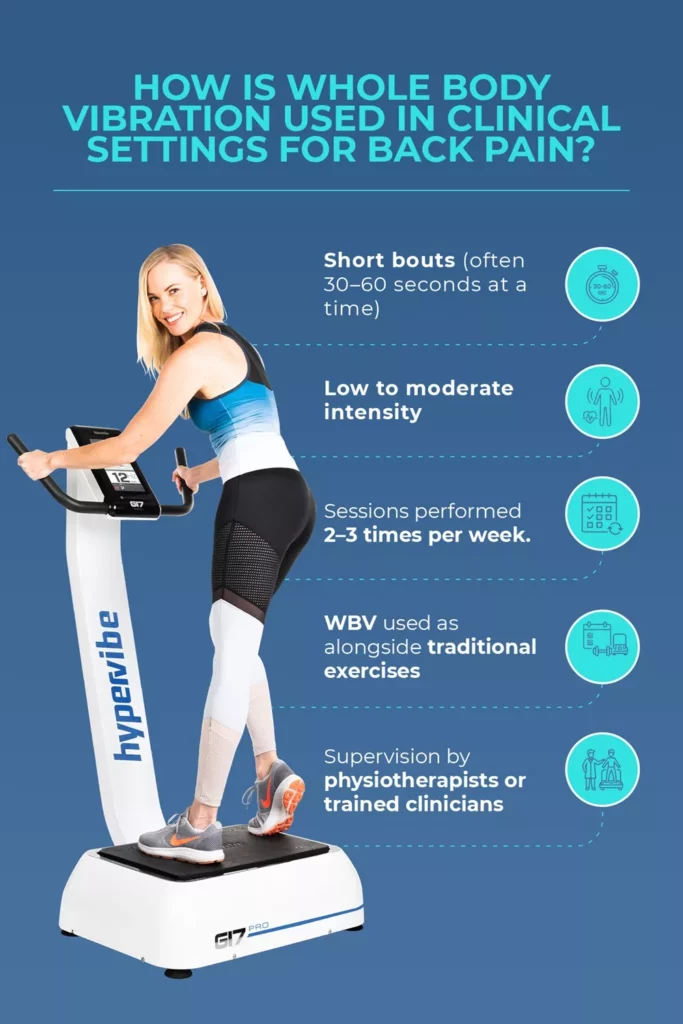
Standard clinical protocols for incorporating vibration therapy into a professional back pain treatment plan.
In clinical and research settings, Whole Body Vibration (WBV) is typically used very differently from home fitness routines.
Common features of clinical protocols include:
This controlled approach helps minimize risk while targeting neuromuscular activation and improving movement tolerance.
Current evidence positions Vibration Therapy as a promising intervention.
Research and clinical guidance point to careful screening and fairly conservative use, especially for people with complex or long-standing conditions.
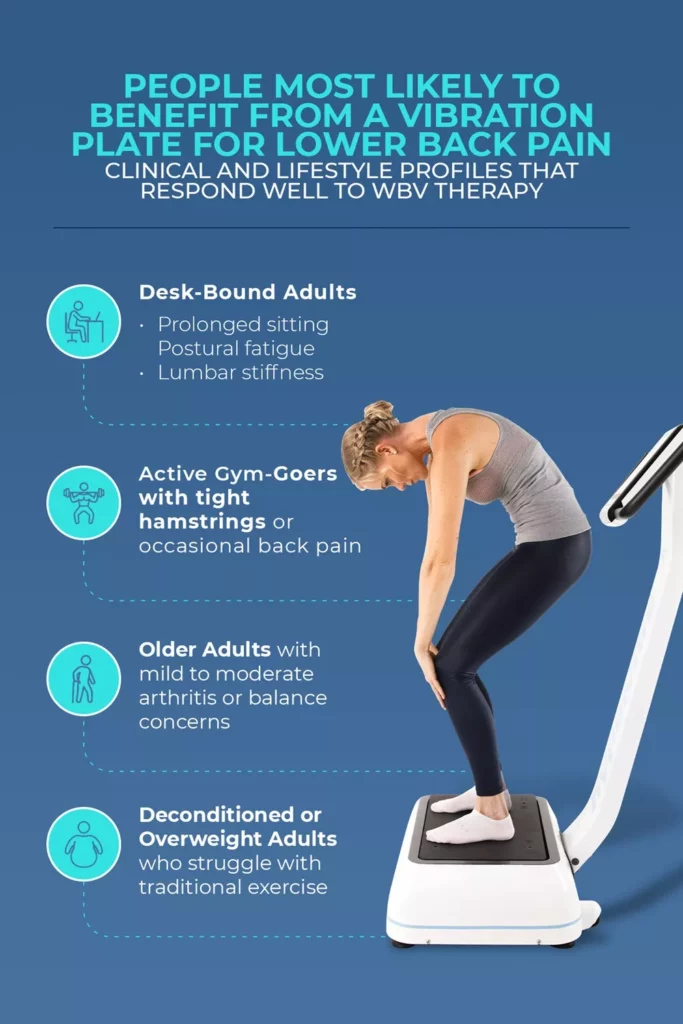
Identifying the specific groups of people most likely to find relief from lower back pain using Whole Body Vibration (WBV).
People who sit for long hours often develop stiffness, reduced circulation, and a deconditioned core.
Whole Body Vibration can activate postural muscles, stimulate the nervous system, and encourage movement without risk.
For people who do traditional exercises but still experience stiffness or flare-ups, Vibration Plates may help support flexibility, circulation, and neuromuscular activation when used within workouts or on recovery days.
When medically cleared, Vibration Therapy can support muscle activation and balance training at intensities that often feel more manageable than traditional exercise.
Sessions should be short, stable, and carefully designed.
For individuals who find standard exercise uncomfortable or intimidating, Vibration Plates can offer a low-impact entry point to movement and gradual reconditioning.


After 2–3 weeks, you may add a second daily session on long sitting days or slightly increase the duration of a single session.
Increase vibration training settings gradually, based on how your body responds.
When it comes to Vibration Therapy for back pain, more time is not automatically better.
Benefits depend on exercise intensity, exercise selection, and how sessions are spaced apart.
A 10-minute session at low to moderate intensity can:
For many people with back pain, this duration is enough to support daily movement and symptom management, especially when used as short bouts rather than one uninterrupted session.
Twenty minutes on a Vibration Plate is not equivalent to 60 minutes of conventional exercise in terms of calorie burn or strength gains.
What 20 minutes can do:
For back pain, 30-minute continuous sessions are rarely necessary and are often counterproductive.
Longer sessions increase total vibration exposure, which may:
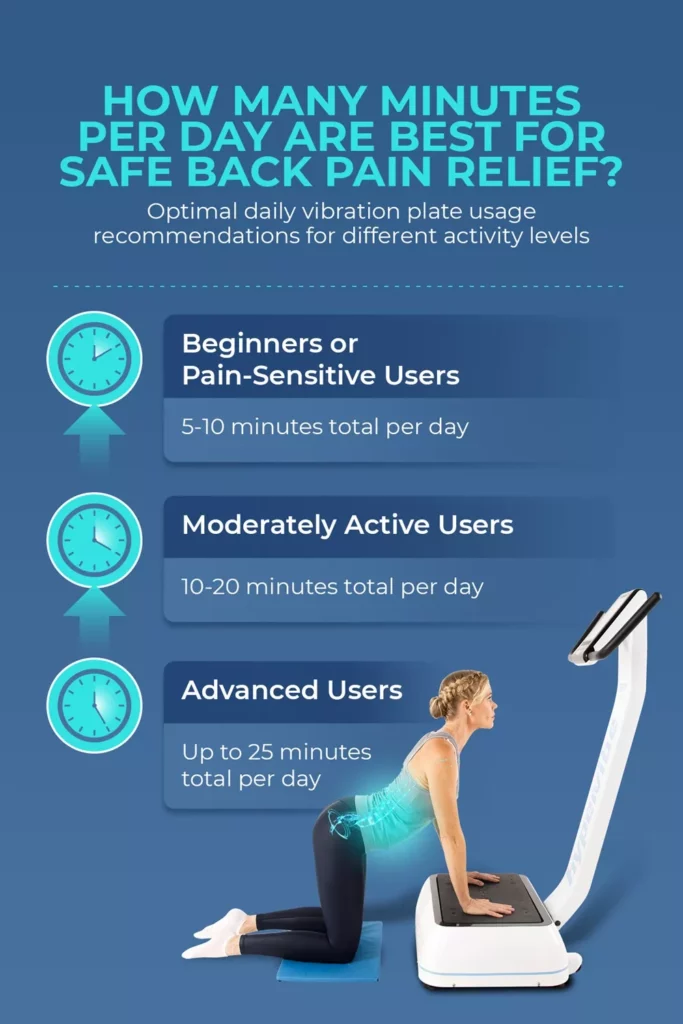
A guide to the recommended daily duration of vibration therapy based on a user’s experience and sensitivity levels.
For most people, Vibration Therapy works best in short, controlled bouts rather than long sessions.
General daily ranges
Evidence and clinical experience suggest realistic timelines:
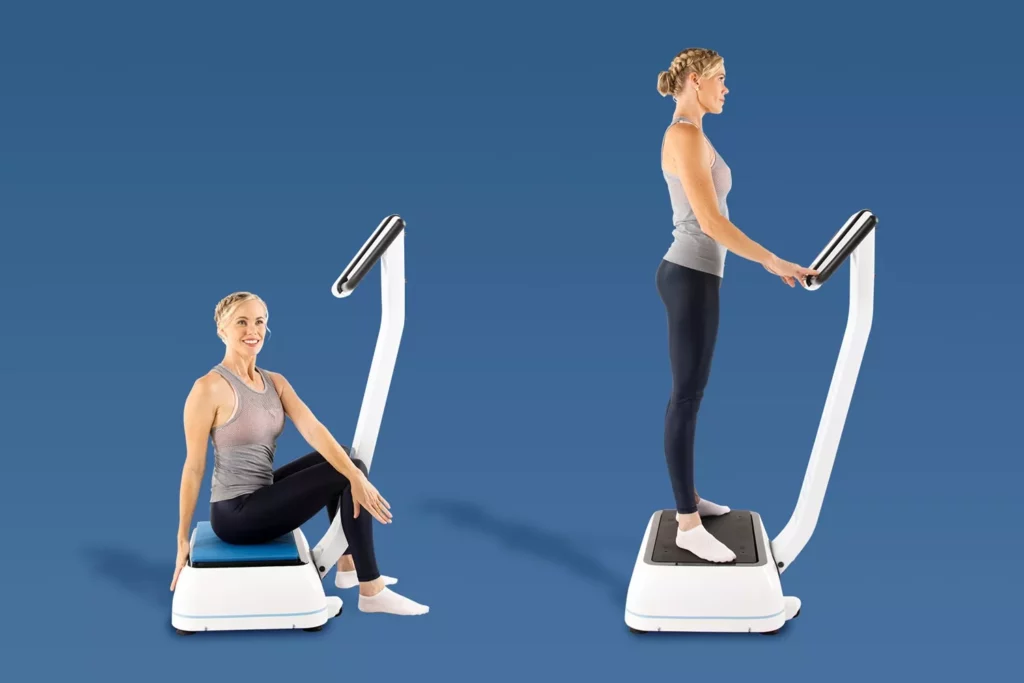
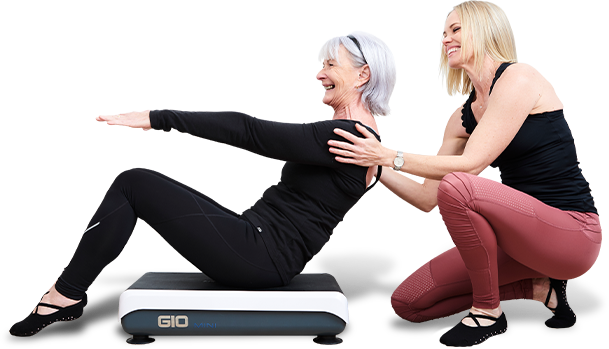
Demonstrating the versatility of vibration therapy through sitting and standing positions.
Both sitting and standing can be appropriate.
The better option depends on your strength, balance, and pain sensitivity.
This option suits people who are relatively stable, lightly active, or looking to progress toward movement-based back pain management.
Chair setup guidelines
Footwear changes how vibration is transmitted through the body.
The safest and most effective stance keeps your spine neutral while allowing your muscles to absorb vibration.
Ideal stance cues
Based on clinical guidance and published research, Vibration Plates should only be used under medical supervision in the following situations:
In these cases, clearance from a qualified healthcare professional is essential.
Before using a Vibration Plate for back pain, a short conversation with your doctor or physiotherapist can make a significant difference.
Useful questions include
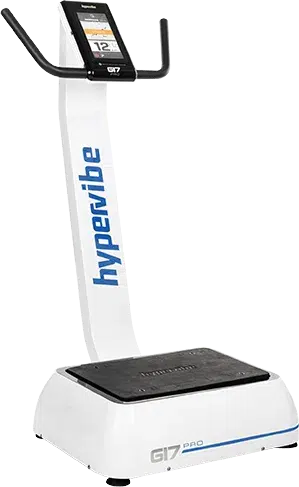
Hypervibe is a good fit for back pain because it prioritizes how vibration is used.
With evidence-aligned settings and education that puts safety first, it supports long-term use.
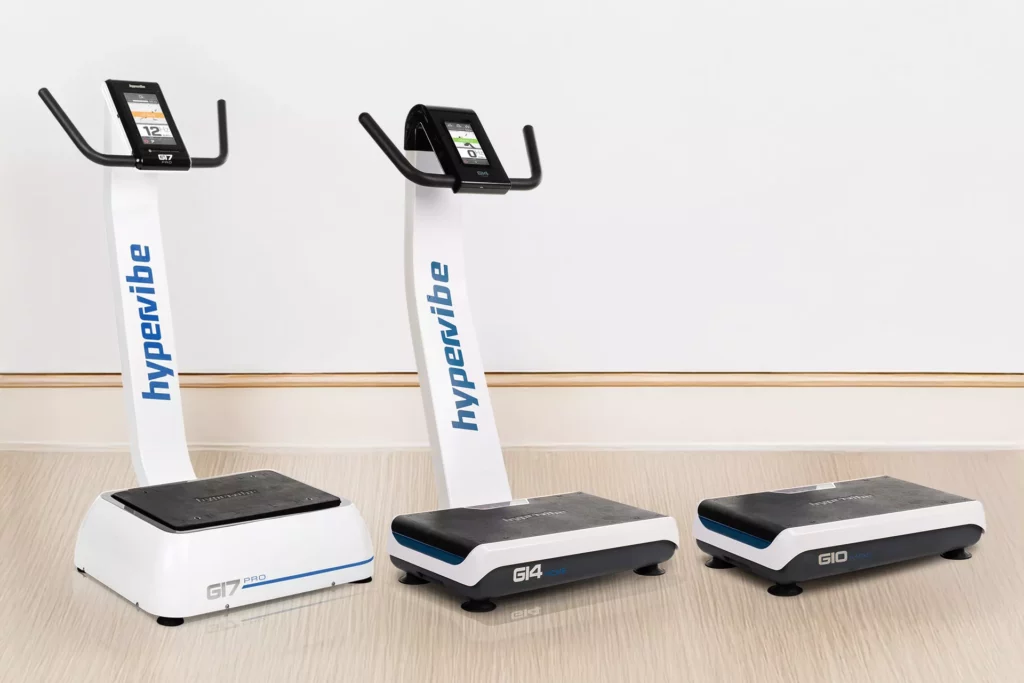
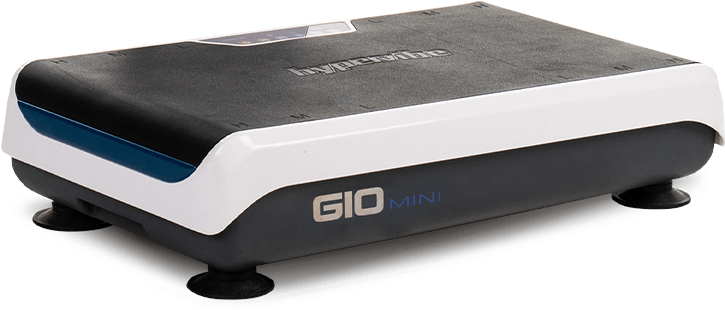
Comparison of Hypervibe’s product lineup, ranging from professional-grade towers to portable mini plates.
Hypervibe platforms are designed to support users who need extremely low starting levels.
Condition-specific articles, the Hypervibe Buyer’s Guide and usage frameworks help users understand when to use Whole Body Vibration (WBV), when to pause, and when to stop.
This reduces trial-and-error and unnecessary symptom flares.
Access to support teams who can help with setup, positioning, and safety-related questions, rather than relying solely on generic instructions.
This is especially important for users who may worry about devices becoming “dust collectors” if tolerance or health status changes over time.
Research suggests Vibration Plates can help some people with back pain, but they are not a cure for the source of the pain. Studies reviewed through the National Center for Biotechnology Information and recent orthopedic journals show modest improvements in pain, function, or postural stability in certain protocols. Results depend heavily on vibration settings, session length, and whether vibration is used alongside exercise. Start with low frequency, short sessions, and good posture. Use soft knees, a neutral spine, and short bouts (30–60 seconds) rather than long, continuous sessions. Limit total time to 5–15 minutes initially. Vibration works best as a support to movement and daily activity. Only if it is used the wrong way. This is most likely when intensity is too high, sessions are too long, or posture is poor. Some people experience delayed soreness or symptom flare-ups. That’s why conservative settings, short bouts, and rest days are important. If pain increases later in the day or the next morning, reduce time or frequency. Short-term effects such as reduced stiffness or easier movement may appear within 1–3 weeks. Improvements in strength, balance, or functional confidence usually take several weeks to a few months of consistent, well-tolerated use. For many people with mild to moderate arthritis, Vibration Plates can be safe when used at low settings and for short durations. Chair-based or supported standing positions are often better tolerated. Clinical guidance emphasizes medical clearance, conservative use, and stopping if joint pain increases after sessions. Only with medical clearance. People with disc bulges, recent spinal surgery, or ongoing nerve symptoms should consult a doctor or physiotherapist first. Vibration may be appropriate in carefully controlled protocols, but unsupervised or high-intensity use can aggravate symptoms rather than support recovery. Both can work. Morning sessions often help reduce stiffness and improve mobility after sleep, while evening sessions may support muscle relaxation and wind-down. The best time is the one you can use consistently. Keep sessions short and low intensity, especially at night, to avoid overstimulation before bed. Vibration Plates stimulate muscles through gentle reflex muscle activation, encouraging repeated contraction and relaxation. This can improve circulation, reduce protective muscle tension, and lightly activate deep core muscles that support spinal stability. Over time, consistent low-intensity use may improve postural control. Use short bouts, low settings, and allow rest days. Many people benefit from 2–4 sessions per week alongside walking, exercise, or physiotherapy. Unlike marketing claims, clinical studies rely on standardized outcome measures. Common endpoints include: Importantly, “success” is not usually defined as total pain elimination but rather as meaningful improvement. When used appropriately, Vibration Plates are not shown to damage healthy joints. Problems usually arise from excessive intensity or poor positioning. Supportive footwear, soft knees, and conservative settings help reduce joint stress. People with joint replacements, advanced arthritis, or pain flare-ups should seek medical advice before use.
FAQs
- Do Vibration Plates really help back pain, according to current studies?
- How do I use a Vibration Plate for back pain safely at home?
- Can a Vibration Plate make back pain worse?
- How quickly will I see results from a Vibration Plate?
- Are Vibration Plates safe for arthritis?
- Can I use a Vibration Plate if I have a disc bulge or after surgery?
- When is the best time to use a Vibration Plate—morning or night?
- How can Vibration Plates promote muscle relaxation and core strength to support the spine?
- How can you integrate Vibration Plate training without overloading your back?
- How do orthopedic journals measure “success” in Vibration Plate studies?
- Do Vibration Plates damage joints such as the knees and hips?


Updated on: 08.09.2021 The lymphatic system is involved not only...
Stress can make you gain weight – we’ve heard this...
Various theories exist to answer this question. As you will...
Rebounding (an exercise technique involving jumping on a mini-trampoline) is...
Core exercises done on a Vibration Plate—like Planks, V-sits, and...
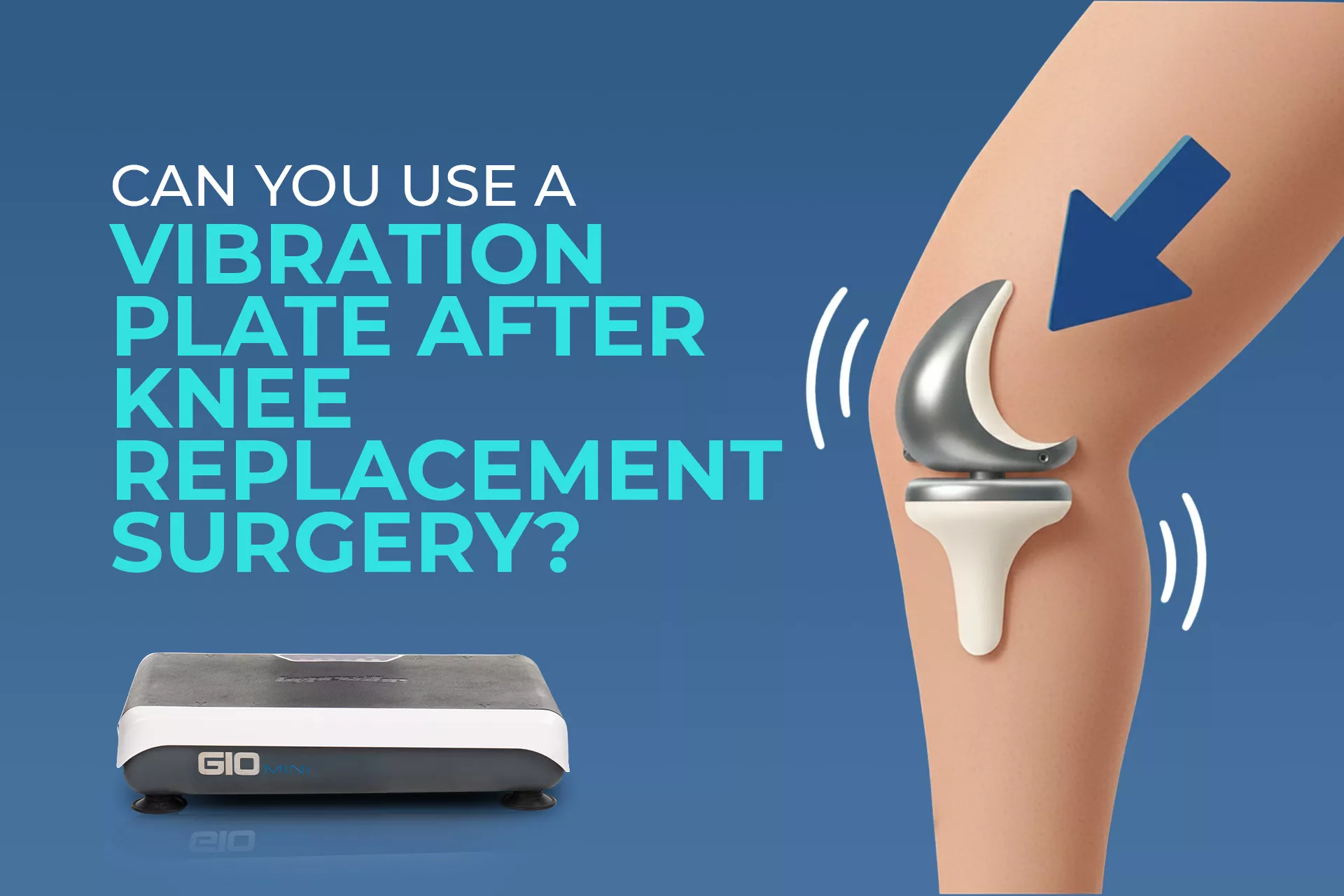
Yes, many people can safely use a Vibration Plate as part of their recovery from knee replacement surgery, but only...
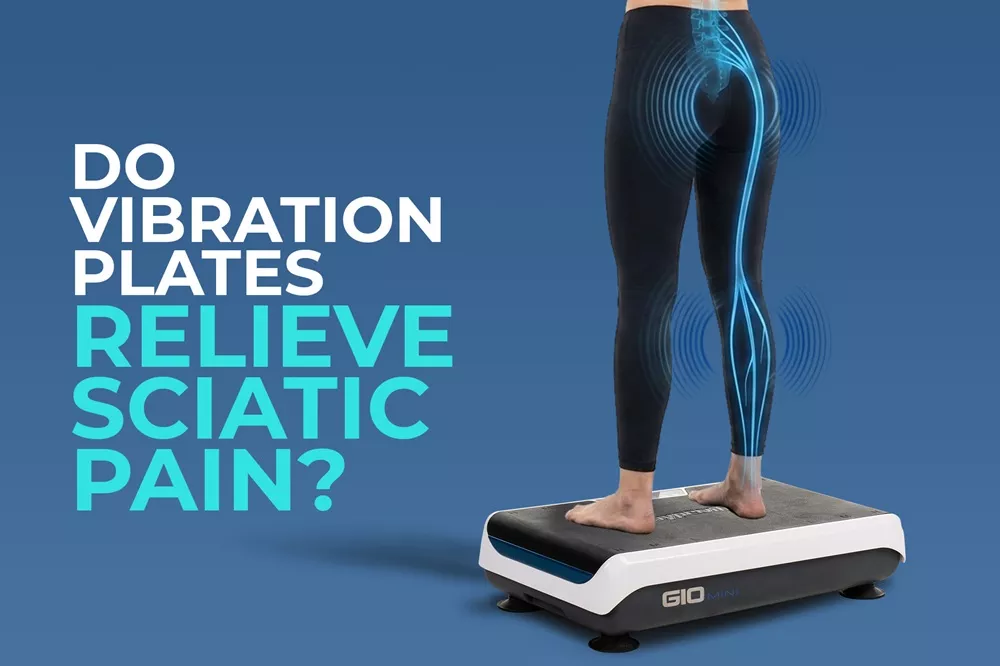
Yes, a Vibration Plate can help with sciatica pain by relaxing and strengthening tight muscles, improving circulation, and reducing pain...
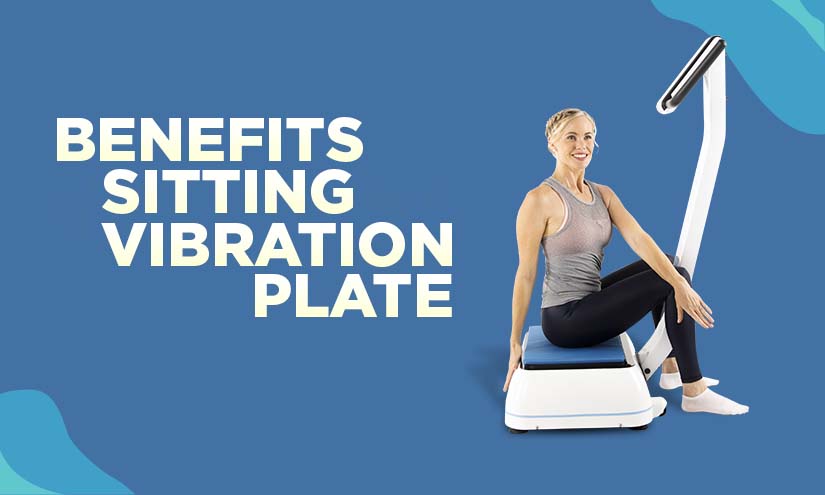
The health benefits of using vibration plates to burn fat and develop muscle are numerous, including but not limited to...
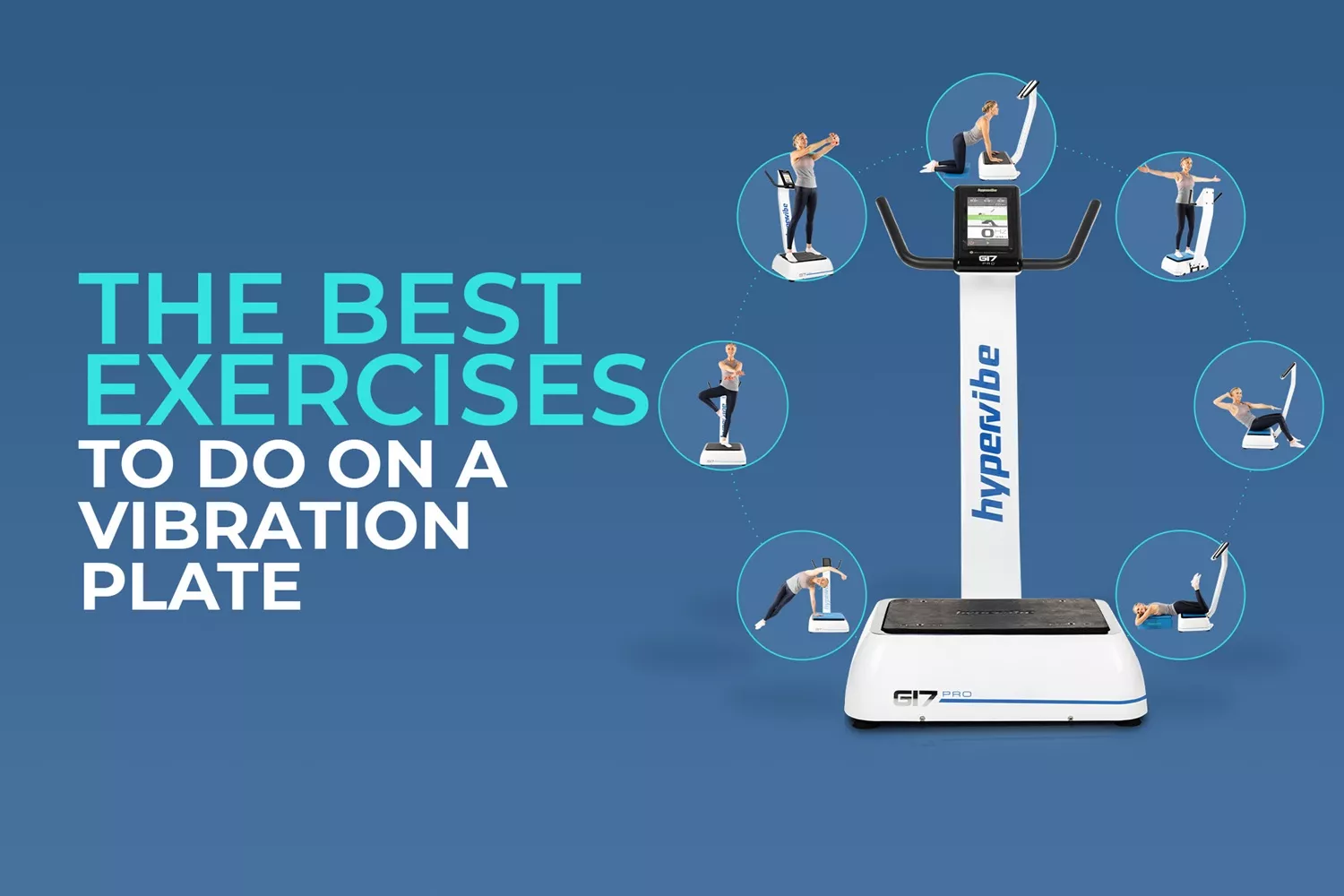
Vibration Plate exercises, also called Whole Body Vibration exercises, involve common exercises such as squats, lunges, push-ups, triceps dips, calf...

Vibration plates are exercise machines that use whole-body vibration to stimulate muscle contractions and increase strength, flexibility, and circulation. They...
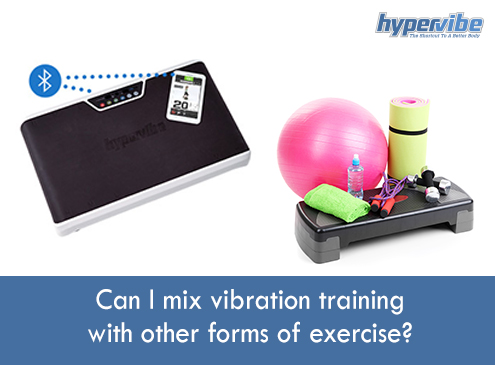
Mixing whole body vibration training with other forms of exercise is not uncommon. In fact, fitness trainers recommend adding vibration...
Updated on: 08.09.2021 The lymphatic system is involved not only...

Stress can make you gain weight – we’ve heard this...

Various theories exist to answer this question. As you will...
Rebounding (an exercise technique involving jumping on a mini-trampoline) is...
Core exercises done on a Vibration Plate—like Planks, V-sits, and...