
$1,799.00
Shop Now
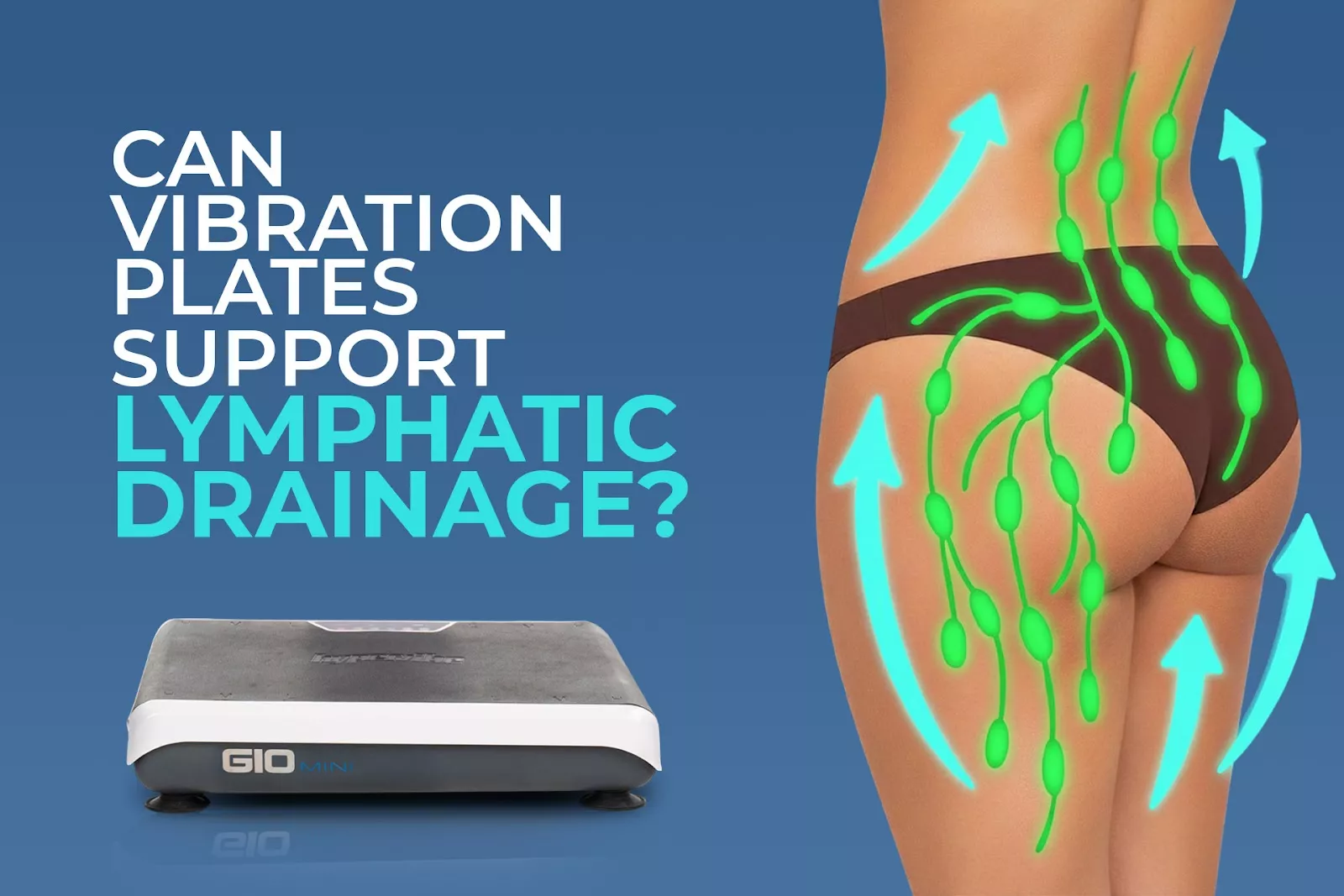
Yes, Vibration Plates or Whole Body Vibration (WBV) platforms, promote lymphatic system movement.
The plates create small, rapid oscillations that trigger reflexive muscle contractions.
These contractions create subtle pressure changes in the tissues which help with lymph movement and drainage.
Your lymphatic system transports fluid, filters waste, and supports immunity.
When it’s sluggish or overloaded, swelling and heaviness in the legs can develop.
Manual Lymphatic Drainage (MLD) is a hands-on technique from trained therapists designed to redirect fluid and relieve swelling; it remains part of standard care for conditions like lymphedema.
WBV, by contrast, is a mechanical technique involving standing, sitting, or doing exercise on a Vibration Plate.
It’s been shown to improve circulation and lymph flow.
How Can You Effectively Use a Vibration Plate for Lymphatic Drainage?


Whole Body Vibration (WBV) works by simulating higher gravitational forces on the body.
Because your venous and lymphatic systems not only developed based on gravity, but must constantly work against it, this targeted loading trains and support those gravity-specific return pathways, aiding the work of your vessels and valves with specificity.
As each force is placed on the body as the WBV platform oscillates, your leg muscles reflexively contract.
These contractions can amplify the body’s natural muscle-pump action helping move lymphatic fluid upward toward the heart and regional lymph nodes.
Many users step off a vibration plate with legs that feel warmer and less tight.
In lipedema care, pairing low-setting vibration therapy with manual lymphatic drainage (MLD) has shown better outcomes than MLD alone, reinforcing the idea that vibration can augment fluid-clearance strategies.
Vibration can acutely raise skin and peripheral blood flow, likely via shear-stress–mediated vasodilation (e.g., nitric oxide mechanisms), improving local perfusion that supports capillary-to-lymph fluid exchange.
Protocols (frequency, amplitude, time, G-force) aren’t yet standardized, and individual responses may vary.
It’s best, for now, to use vibration as a complement to core care (movement, compression, and MLD), and seek clinical guidance where you feel unsure.
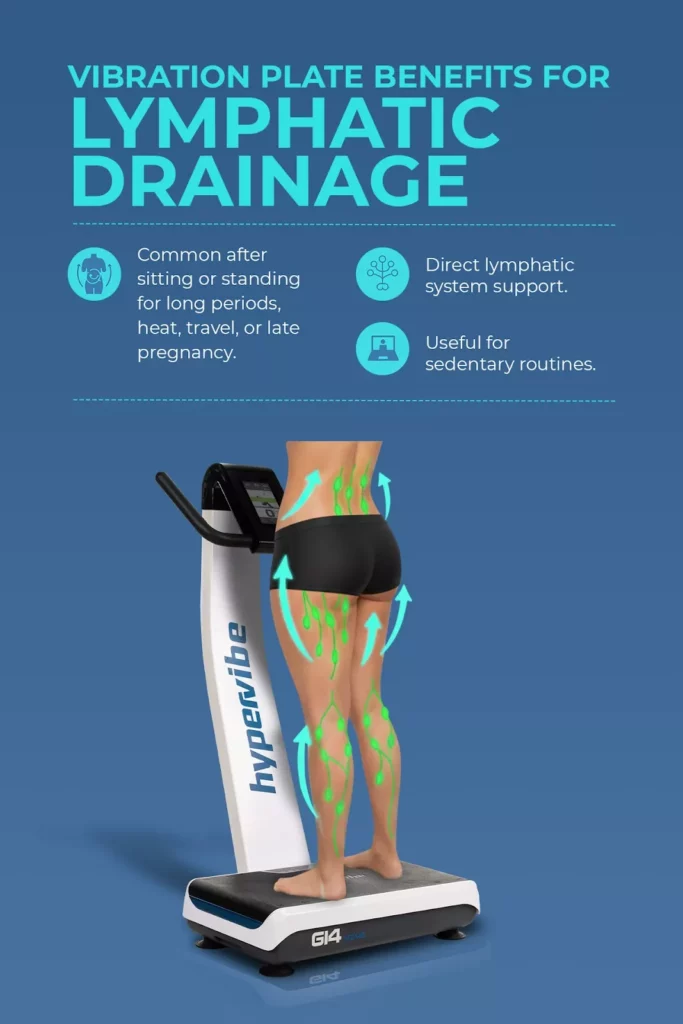
The Hypervibe G14 vibration plate is shown supporting lymphatic drainage with highlighted user benefits.
They can assess for infection, venous issues, or other causes and tailor your plan (e.g., compression class, MLD frequency).
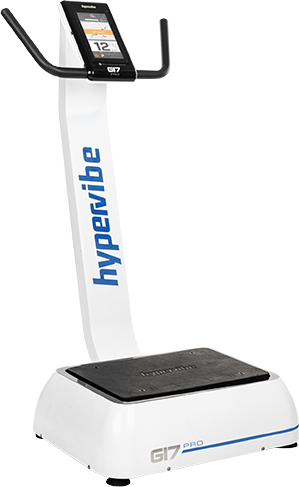


Whole Body Vibration (WBV) is generally well-tolerated but not appropriate for everyone.
oReview the list below and speak with your clinician first if any apply.
Do Not Use
Use Only With Medical Guidance
If any of these sound familiar, check with your doctor before using a vibration plate.
Here is a practical backbone of how to use a vibration plate to support lymphatic drainage in day-to-day life.
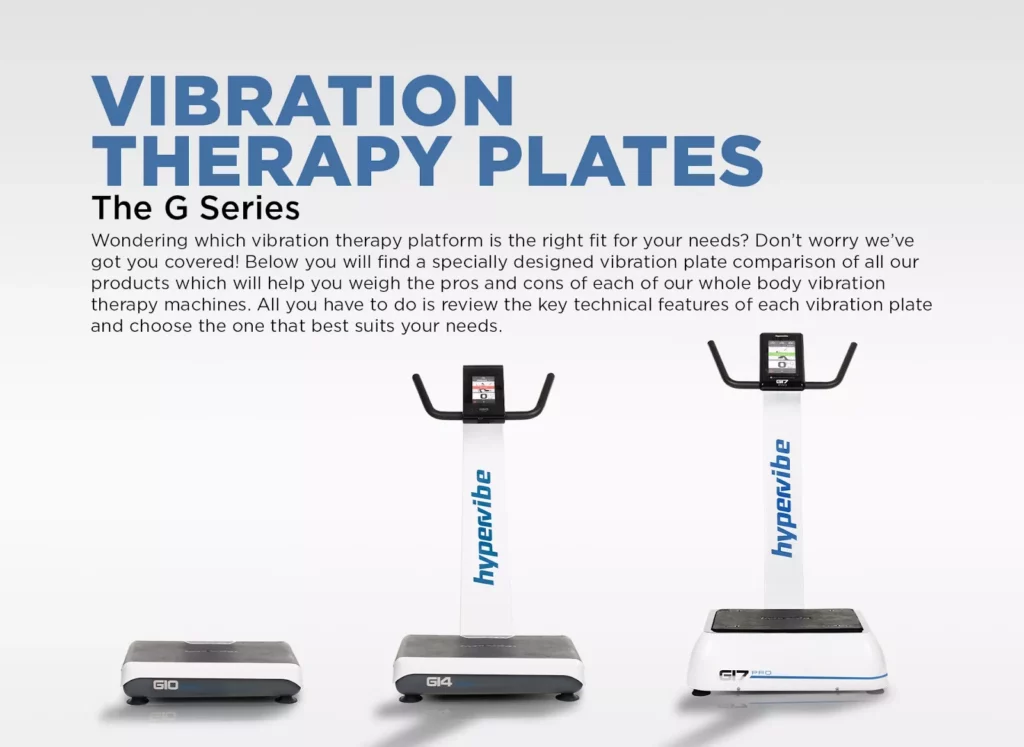
The Hypervibe G Series showcases three vibration plate models designed for whole-body vibration therapy.
Choose a platform, like Hypervibe, with precise setting control (ability to work in the 5–35 Hz frequency range) so you can personalize comfort and keep loading gentle.
Look for published, transparent specs (frequency, amplitude, and G-force) and practical accessories that improve safety and tolerance (e.g., handrails/towers and mats).
Start at the lowest comfortable frequency, typically 5–15 Hz for lymph/edema users—and low amplitude (feet closer together).
Stay at a 15 – 20 Hz while you’re assessing tolerance; progress gradually only if legs feel normal afterward (no uptick in swelling, heaviness or warmth).
If you experience side effects like itching initially, keep increments small and change one variable at a time (frequency or duration or amplitude).
Begin with 5–10 minutes total, split into 30–60 second bouts with 60–120 seconds of ankle pumps between sets.
Build toward 10–15 minutes if tolerated over several weeks.
A 2–3× per week cadence is a sensible start; you can add volume cautiously. Consider a deload week every 4–6 weeks (cut total rounds by ~50%).
Use a soft-knee stance (don’t lock knees) and comfort-first exercises like standing pose, mini-squats and calf raises.
If your balance is limited, use upper body support.
Coordinate WBV with your compression routine: some users run short, low-frequency bouts before wearing compression garments to “prime” the lymphatic system.
Other users prefer a brief session after removing them, followed by leg elevation.
In the sessions, hydrate, and keep salt intake moderate if advised.
Begin only with your oncology team’s clearance, and use vibration therapy as an addition to medical treatment.
Early sessions should be conservative:
Prioritize comfort and tissue tolerance: lipedema tissue is pain-sensitive and bruise-prone.
Follow the surgeon’s milestones, beginning only after wounds are healing and you’re cleared for gentle loading (many clinicians trial at 2–4 weeks, but your surgeon’s protocol overrides generic timelines).
Choose positions that do not strain the surgical area and keep settings modest (10–15 Hz, very short intervals).
Stop and notify your clinician if pain, swelling, warmth, or redness rises.
Use WBV to augment recovery days.
The session-level boosts in microcirculation and a subjective feeling of relaxation pair well with breathwork.
Keep sessions short and low intensity, especially when stacking with sauna or cold exposure.
Measure outcomes such as heart-rate recovery, limb girth, and a simple heaviness score rather than relying on feel alone.
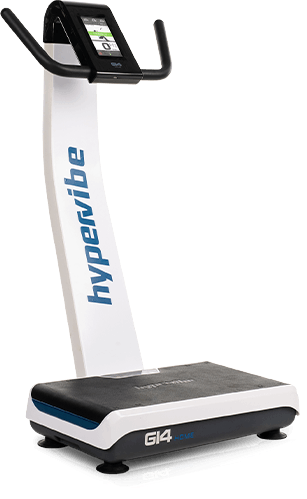
A vibration plate is stationary and low-impact, so you can work the calf muscle pump without leaving the ground or managing bounce and balance.
That makes it easier to dose in short, interval-style sets, pair with other exercise/elevation, and fit into tight spaces.
Rebounders (mini-tramps) ask for more balance and cardio effort; by contrast, Whole Body Vibration (WBV) lets you stay supported (soft-knee stance, handrails) or even seated with feet on the plate when needed.

Visual guide showing additional ways to support lymphatic drainage through movement and lifestyle techniques.
Yes.
A vibration plate using Whole Body Vibration (WBV) activates the calf and foot muscle pump system and increases circulation, which helps move lymph.
Use it with other exercise, compression (if prescribed), and manual lymphatic drainage (MLD).
Start low and slow: a total of 5–10 minutes per session, broken into 30–60-second bouts with equal rest (off-plate walking), 2–3× per week.
If well tolerated for 1–2 weeks, build toward 10–15 minutes.
Evaluate results after 4–6 weeks.
Anything that drives the leg muscle pump and rhythmic breathing.
A vibration plate (stationary, low-impact), a treadmill or bike for gentle cardio, and an elliptical for low joint load.
Aquatic exercise is excellent when joints are sensitive.
Start with the right foundation: medical clearance where necessary, walking, diaphragmatic breathing, compression (if prescribed), MLD/manual therapy, leg elevation, and hydration.
A vibration plate layers on top as a time-efficient adjunct.
Choose a model with reliable setting control (5–35 Hz), a range of amplitudes, transparent specs (Hz/mm/G-force), and stability features (non-slip surface, handrails).
Aim for 5–15 Hz to start (low amplitude).
Stay below 20 Hz while you gauge tolerance.
Progress beyond that if legs feel normal afterward (no increase in heaviness, ache, or itching), and you’ve got experience.
Both can work.
Many users do a brief WBV session before donning compression garments to “prime” the lymphatic system; others prefer it after removing garments, followed by elevation.
Keep whatever timing and process your clinician recommends.
Avoid or get medical clearance if you’re:
Stop and seek care if swelling is hot/red, one-sided, or rapidly worsening, or if you feel unwell.
Use a soft-knee stance (or sit if balance is limited), and run 30–60-second bouts at 10–15 Hz with equal rest (off-plate walking) for a total of 5–10 minutes.
Finish with 2–5 minutes of easy walking and leg elevation.
No.
WBV is an adjunct.
For persistent or complex swelling (lymphedema, lipedema, venous disease, post-surgical edema), follow clinician-directed care and use the plate to support the plan.
Here’s how we use a vibration plate for weight loss...

Many people, especially beginners, notice an itchy or tingling “pins-and-needles”...

Are vibration machines bad for you? Yes, if used incorrectly....
Yes, Vibration Plates or Whole Body Vibration (WBV) platforms, promote...
Most people get the best results using a vibration plate...

If we backtrack to the 1930s in Denmark, we’d find physical therapist Emil Vodder who developed the lymphatic drainage technique...

The lymphatic system, also called the lymphoid system, is an important part of our immunity and overall health. Its major...
Is vibration plate good for knee pain? or, Can vibration plate help knee pain? Yes. Whole Body Vibration (WBV) reduces...
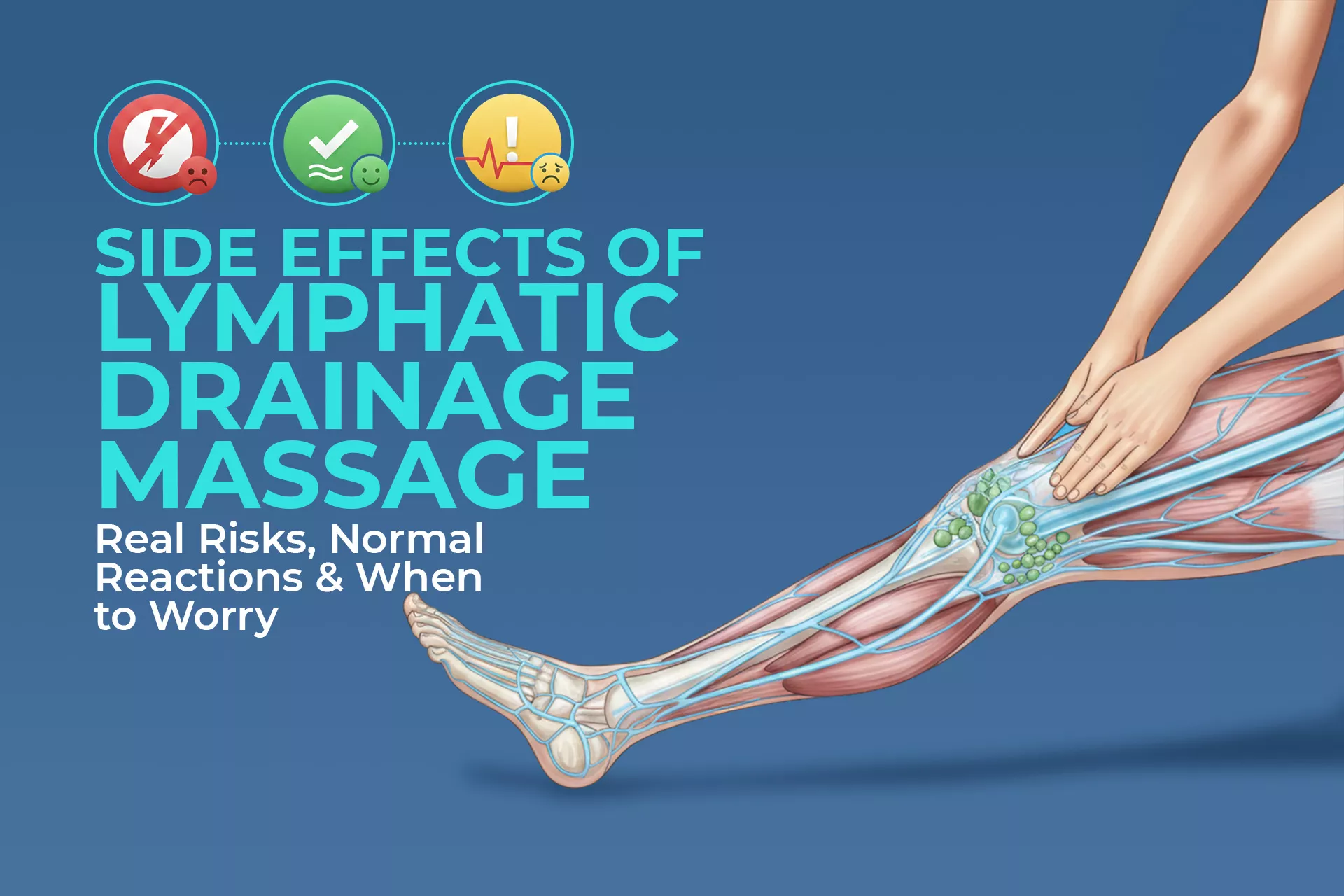
Lymphatic drainage massage (manual lymphatic drainage [MLD]) is a hands-on, directional massage technique used to encourage proper fluid movement in...
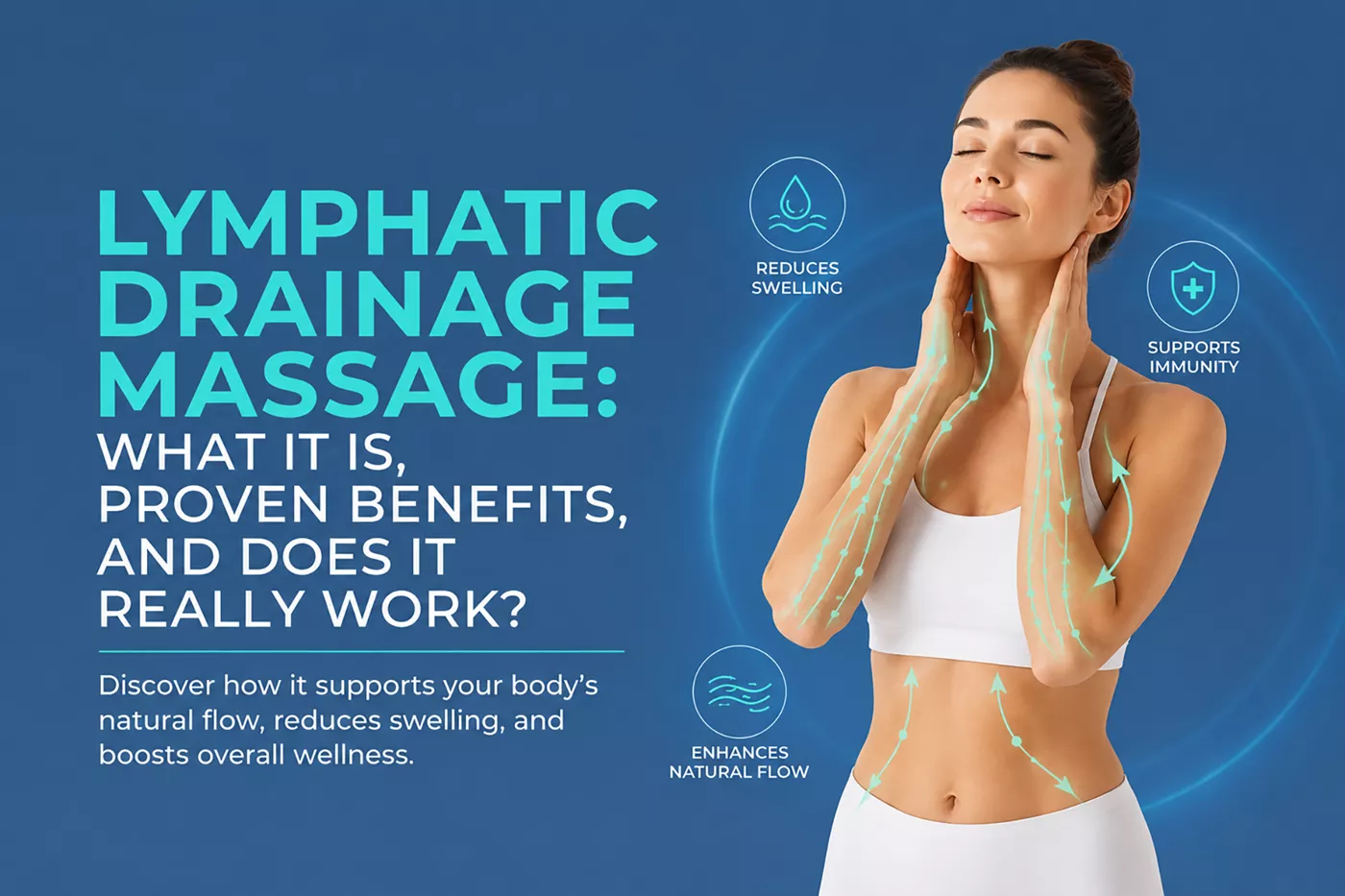
Lymphatic drainage massage has gone from a highly clinical therapeutic approach used in hospitals to one of the most talked-about...
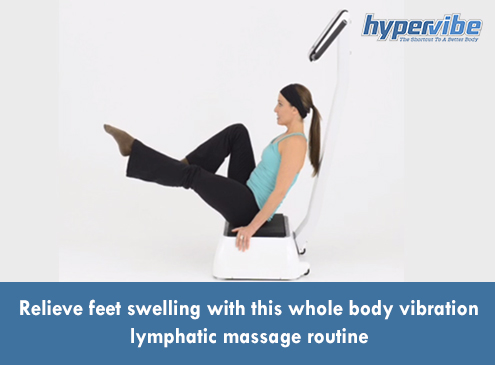
The lymphatic system is responsible for removing excess water from the body and along with it, the toxins and debris...
Here’s how we use a vibration plate for weight loss...
Many people, especially beginners, notice an itchy or tingling “pins-and-needles”...
Are vibration machines bad for you? Yes, if used incorrectly....
Yes, Vibration Plates or Whole Body Vibration (WBV) platforms, promote...
Most people get the best results using a vibration plate...