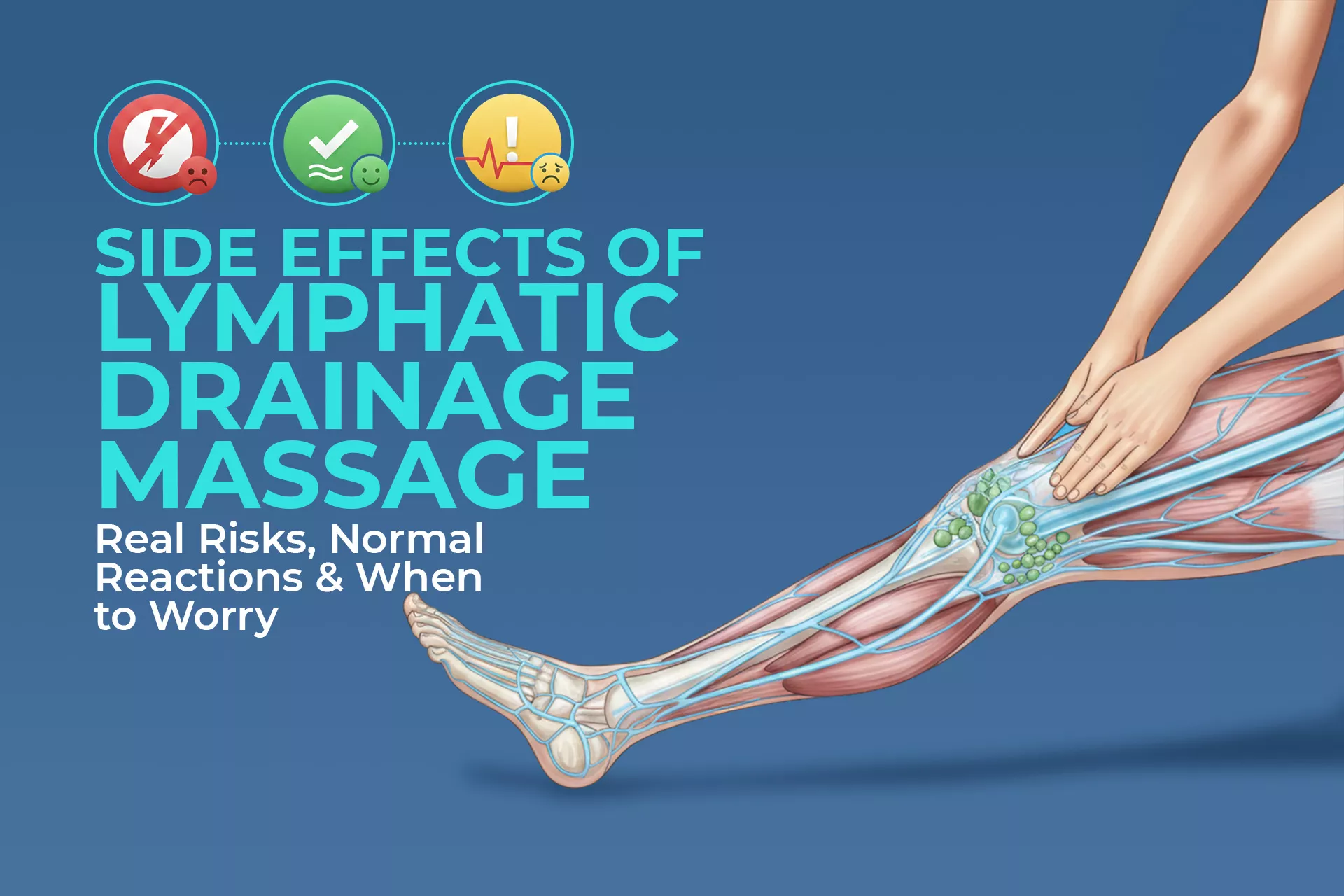
Lymphatic drainage massage (manual lymphatic drainage [MLD]) is a hands-on, directional massage technique used to encourage proper fluid movement in tissues.
It’s usually well tolerated, and if there are side effects, most are short-term and mild.
You should be aware of red flags, however.
Common, short-term side effects:
Tiredness / “washed out” feeling for the rest of the day
Mild headache
Mild nausea
Increased urination (you may notice you’re peeing more often for 12–24 hours)
Light tenderness or soreness in treated areas (especially if tissues are already sensitive post-op)
Temporary “shift” in swelling—some people feel a bit tighter before they feel lighter
Less common “watch-and-see” side effects
Dizziness/lightheadedness with positional changes
Aching/heaviness that doesn’t clearly improve over 24–48 hours
Excess skin irritation
Serious red flags
These are the situations where the dangers of lymphatic massage matter most—because MLD can be contraindicated if you have certain underlying conditions (or if a complication is brewing).
Fever or signs of infection (spreading redness/warmth, feeling unwell)
Rapidly worsening swelling, severe pain, or sudden new heaviness
Chest pain or sudden shortness of breath
What Is Lymphatic Drainage Massage & Why Can It Cause Side Effects?
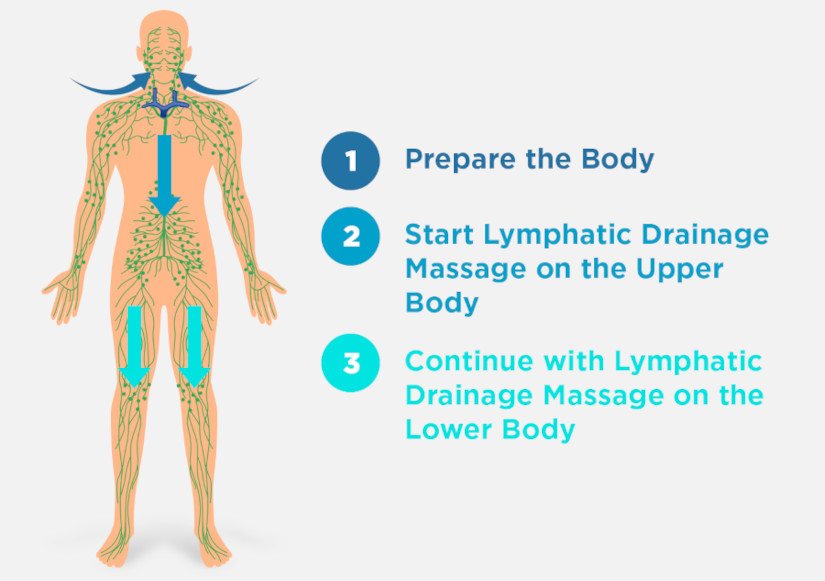
Lymphatic drainage massage (often called manual lymphatic drainage [MLD]) is a light-pressure, rhythmic technique designed to encourage fluid movement through lymphatic vessels and into lymph nodes, where that fluid can return to the bloodstream.
The key reason it can cause side effects is simple: you’re changing fluid distribution and activity throughout all bodily systems.
Again, most reactions are mild and short-lived.
How the Lymphatic System Actually Works
The lymphatic system is like your body’s fluid balance and immune surveillance network:
Lymph is the clear fluid that comes from the “extra” fluid left behind in tissues after blood delivers oxygen and nutrients.
Lymph vessels collect that fluid and carry it toward certain specialized areas of the body where it drains back into large veins and re-enters the bloodstream.
Lymph nodes act like filters/checkpoints—monitoring lymph and helping your immune system respond to infection or abnormal cells.
Unlike the heart (which pumps blood), lymph flow is low-pressure and movement-dependent: nearby muscle squeezing and arterial pulsing help push lymph forward, and one-way valves keep it moving in the right direction.
When this drainage system is disrupted—often after lymph node removal/damage, scarring, or blockage—protein-rich fluid can build up in tissues, leading to swelling (lymphedema).
What Happens During a Lymphatic Drainage Session
1) Manual lymphatic drainage (MLD)
In a typical clinical-style MLD session, the therapist uses light pressure and specific sequences to:
Stimulate key lymph node regions (often the neck, armpits, and sometimes the groin with consent), then
Guide fluid from swollen areas toward the nodes so it can reabsorb and return to circulation.
This is why it should not feel like a deep-tissue massage.
If someone is aggressively massaging tissue—especially post-op—that’s not classic MLD.
2) Mechanical/device-assisted options
Device approaches aim to support lymph movement more indirectly, often as part of a broader care program (like CDT):
Compression devices (bandaging/garments; sometimes pneumatic compression under clinician guidance), along with exercise and skin care, are commonly paired with MLD in lymphedema management.
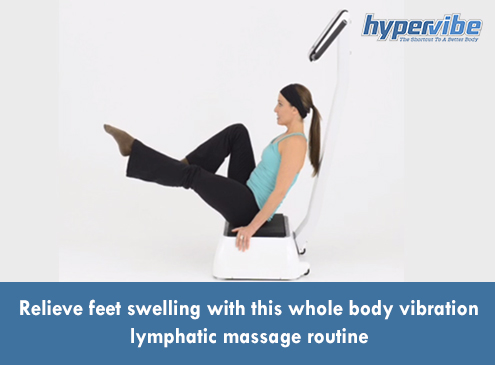
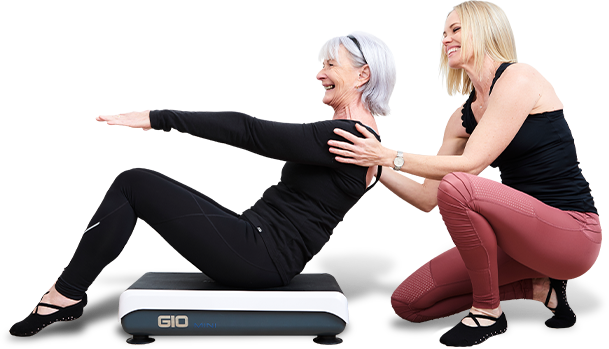
Whole Body Vibration (WBV); Lymph movement responds to muscle activity, gravitational loading, and rhythmic pressure, which Whole Body Vibration can achieve.
The practical advantage is dose control: session length, intensity, position, and progression can be dialed in conservatively—especially for people who don’t tolerate hands-on work well.
Why Side Effects Happen
Most side effects come from three very normal mechanisms:
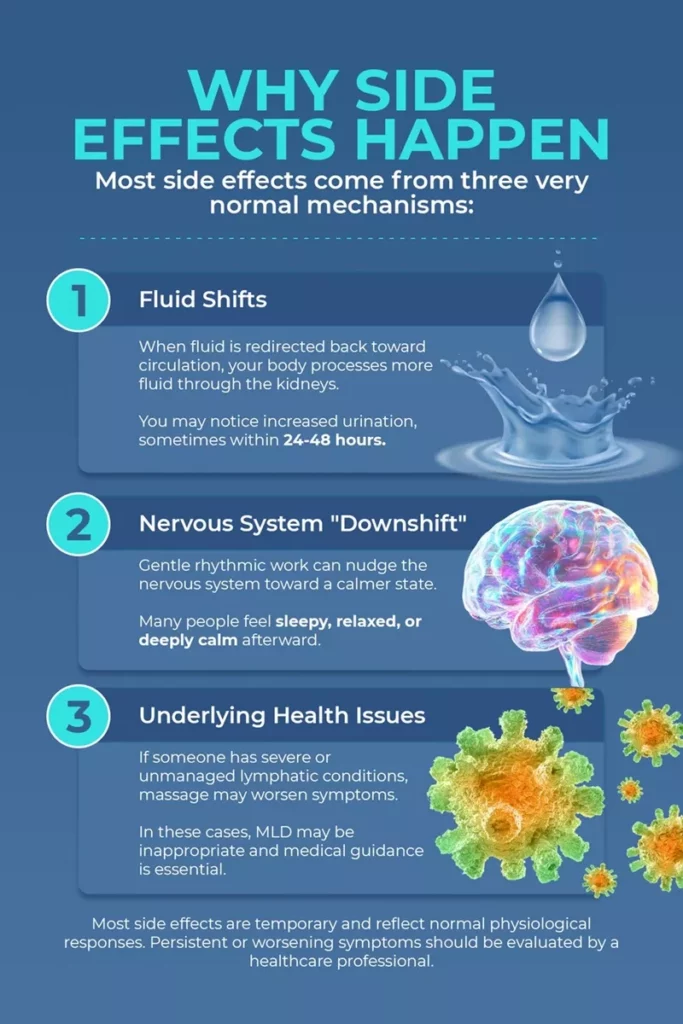
Infographic explaining why side effects can occur after lymphatic drainage massage.
1) Fluid shifts
When fluid is redirected back toward circulation, your body may simply process more fluid through the kidneys,
so you notice increased urination, sometimes within 24–48 hours.
2) Nervous system “downshift”
Gentle rhythmic work can nudge the body toward a calmer state.
Many people feel sleepy.
3) Underlying health issues (this is where the real dangers live)
If someone has a condition where lymphatic issues are severe, massage can worsen them.
MLD may be inappropriate.
What Does the Research Say?
When it’s done correctly (light pressure, proper sequencing), lymphatic drainage massage is usually gentle and low risk.
In a systematic review of manual lymphatic drainage (MLD) trials, serious adverse events are not commonly reported.
The following conditions are contraindications:
Blood clots/suspected DVT (or a history that puts you at high risk)
Acute infection, cellulitis, fever, or feeling unwell
Heart disease/congestive heart failure
Severe kidney disease/kidney failure
Uncontrolled hypertension
Cancer considerations: avoid direct work over cancerous tissue, and in some cases, MLD may need oncology/lymphedema team sign-off
Pregnancy without clearance (often “relative” rather than absolute—guidance varies; some clinics recommend extra caution early on)
If you’re post-op (cosmetic or medical), don’t treat MLD like a casual spa add-on.
It can be helpful in the right window, but timing and contraindications are important, and your surgeon or lymphedema clinician should guide it.
Common Lymphatic Drainage Side Effects by Body System
GI System
Some people notice looser stool, more frequent bathroom visits, mild bloating, constipation, or light nausea after lymphatic drainage,
but it’s usually mild and temporary and settles within a few hours to 1–2 days.
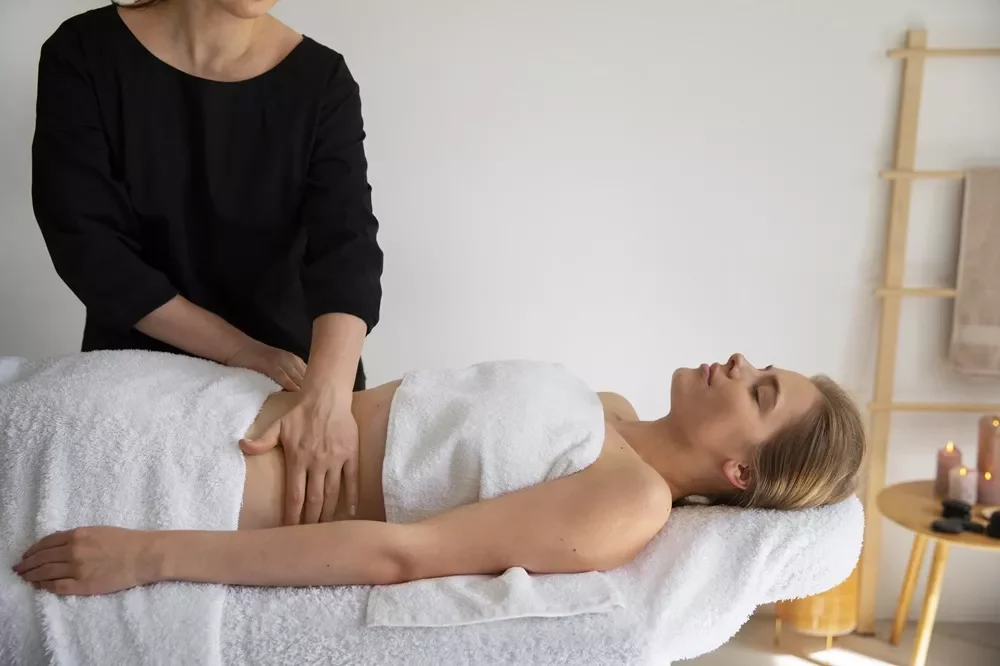
Lymphatic drainage massage session in a calm spa setting.
Why it can happen
Autonomic “downshift”: Gentle, rhythmic work can shift the body into a calmer state, which can change gut motility in either direction (looser or slower).
Abdominal/diaphragm effect: Many MLD approaches include gentle abdominal work and diaphragmatic breathing to support lymph flow; that can briefly “wake up” the gut—gurgling, an urge to go, or mild stool changes.
Fluid-shift effect: If you urinate more after a session and don’t rehydrate well, stools can firm up (constipation). If you hydrate more than usual, stools may loosen.
Pressure/tightness relief effect: If you already feel puffy or bloated, reducing tissue pressure can make the abdomen feel less tight and change how easily bowel movements pass.
Hunger/dehydration sensitivity: If you came in under-hydrated or with an empty stomach, mild nausea is more likely.
What’s normal vs concerning
Usually normal:
1–2 episodes of loose stool
Mild bloating or a “busy gut”
A short-term constipation
Mild nausea that improves within hours
Concerning (pause and get medical advice):
Diarrhea lasting more than 48 hours
Repeated vomiting or inability to keep fluids down
Severe or worsening abdominal pain
Blood in stool
Fever
Dehydration signs (dizziness, very dark urine, marked weakness)
Chest symptoms (shortness of breath, chest pain)
Self-care (keep it simple)
Hydrate steadily through the day (don’t chug). If you’ve had loose stool, consider an oral rehydration drink.
Eat simple, bland meals for 24 hours if your gut feels sensitive (soups, rice, bananas, toast, eggs—whatever sits well for you).
Skip alcohol and very greasy/spicy foods for the day.
Rest and avoid another session until you feel fully normal.
Nervous System
A mild headache and tingling feeling can happen after lymphatic drainage and usually resolve within 24 hours with hydration and rest.
A migraine is less common and should be treated like your usual migraine.
Why It Can Happen
Dehydration: You may urinate more after a session, and if you don’t replace fluids, you can get a headache.
Neck/upper chest work: Early MLD often includes gentle work near the clavicles/neck where drainage pathways are superficial. If you already carry tension there or lie with your head turned for a while, it can trigger muscle guarding and refer pain into the head—especially in people prone to tension headaches or migraines.
Nervous system sensitivity: Tingling can be a transient sensory response.
What’s Normal vs Concerning
Usually normal: a mild, dull headache that improves with fluids and sleep.
Concerning: sudden “severe headache,” headache with confusion/weakness/vision changes, or headache plus fever/neck stiffness.
Self-Care
Hydrate, consider a light walk, lie down, and keep the rest of the day low-demand.
If you’re migraine-prone: avoid triggers (skipping meals, dehydration) and follow your clinician’s plan.
Cardiopulmonary System
Some people feel lightheaded or spaced out, especially when standing up quickly;
it’s usually brief and improves with hydration and slower transitions.
Why It Can Happen
Blood pressure shifts and standing too fast: After relaxation, getting up quickly can trigger lightheadedness.
Dehydration: Increased urination, plus not drinking enough, can amplify dizziness.
Underlying risk factors: People with cardiovascular disease, stroke history, or significant kidney/heart issues need extra screening.
What’s Normal vs Concerning
Normal: brief dizziness that resolves once seated and hydrated.
Concerning: fainting, chest pain, shortness of breath, one-sided weakness, or a new severe headache.
Self-Care
Sit up slowly, then stand.
Drink water, eat something small, and rest.
Musculoskeletal System
Feeling tired or wiped out, soreness, and cramps are some of the most common side effects.
You may feel sleepy/low energy for the rest of the day.
Running anatomy comparison: skin, muscles, and skeleton.
Why It Can Happen
Fatigue can occur from getting fluid moving.
Many people experience a strong parasympathetic (rest-and-digest) response after bodywork and massage.
Sensitive tissues: Post-op areas, radiation-affected skin, or chronic edema tissues can be reactive even to light work.
What’s Normal vs Concerning
Normal: sleepiness, needing an early night, feeling “heavy” but stable.
Mild ache, heaviness that eases with walking, or slight cramping that resolves with hydration.
Concerning: Sudden sharp pain, redness or warmth, fever, chills, feeling acutely ill, rapidly worsening swelling, or shortness of breath.
Self-Care
Plan a lighter day after your first session.
Hydrate and eat a normal meal; take a gentle walk later to keep circulation moving.
Integumentary System
Mild itching or a brief skin flare can happen, but it’s usually localized and short-lived;
widespread rash, hives, or breathing symptoms should be treated as urgent.
Why It Can Happen
Skin barrier sensitivity: Post-op skin, eczema-prone skin, or product sensitivity (oils/lotions) can trigger irritation.
Heat/sweat shifts: Some people report changes in sweat/skin after a session.
What’s Normal vs Concerning
Normal: mild itchiness, small breakouts, and mild redness that fades.
Concerning: hives, swelling of lips/face, wheezing/shortness of breath, rapidly spreading rash, or signs of infection (hot, painful redness).
Self-Care
Use an unscented moisturizer, avoid new scented products, and keep showers lukewarm.
If acne-prone, keep skincare simple for 24–48 hours.
Urinary System
Frequent urination is one of the most commonly reported short-term effects and usually lasts the rest of the day (sometimes into the next), especially after your first few sessions.
Why It Can Happen
As fluid is redirected back toward circulation, your body may clear more through the kidneys; stay hydrated because mild fatigue/headache/nausea can occur as fluid flushes through.
What’s Normal vs Concerning
Normal: increased frequency, lighter urine if you hydrate well.
Concerning: painful urination, fever, blood in urine, or symptoms of dehydration (very dark urine and dizziness).
Self-Care
Drink water steadily through the day; add electrolytes if you’re sweating a lot or having loose stool.
Avoid alcohol (it can worsen dehydration).
When to Call a Doctor
Urinary pain, fever, blood in urine, severe dizziness, or if you have known kidney/heart failure (get clearance before doing MLD at all).
Other Systems
You may feel more emotional or sleepier after lymphatic drainage, usually for a few hours to one day;
night sweats aren’t a typical “expected” side effect, and repeated night sweats should be assessed.
Why It Can Happen
Relaxation response: Downshifting stress can make people feel unexpectedly teary or emotionally “open.” Some clinics describe emotional sensitivity after sessions.
Sleep changes: Feeling calmer can improve sleep; occasionally, people feel wired if they’re anxious about body changes.
Night sweats: If they occur, don’t assume it’s “detox.” Night sweats can have many causes (hormones, infections, medications, etc.) and should be discussed if persistent or paired with other symptoms.
What’s Normal vs Concerning
Normal: feeling emotional, needing an early night, having vivid dreams, or experiencing mild temperature changes once.
Concerning: night sweats that happen repeatedly, disrupt sleep, or come with fever, weight loss, pain, cough, diarrhea, or other worrying symptoms.
Self-Care
Plan a gentle evening (light meal, warm shower, early bedtime).
Journal the symptoms and timeframe—this helps you (and your clinician) see patterns.
Are Drops, Creams, Machines & Vibration Plates Safe for “Lymphatic Drainage”?
If you’re shopping for “lymph support” tools, the safest mindset is simple: pick options with a clear mechanism, predictable dosing, and realistic claims.
Your lymphatic system is a low-pressure, movement-dependent network; it responds best to steady inputs (compression, guided manual work, exercise), not mystery “detox” promises.
Lymphatic drops, teas, supplements—what’s hype vs. evidence?
Most “lymph drops” and “detox blends” are marketed as if they can “flush toxins” or “drain lymph” on demand.
There’s no robust clinical evidence that an over-the-counter drop or tea can meaningfully “clear” your lymphatics in the way compression therapy, exercise, or clinician-guided lymphedema care can.
(If a label implies it treats a disease, that’s also a regulatory red flag.)
Many of these products work by increasing bowel movements (laxatives) or increasing urine output (diuretics/caffeine).
That can temporarily reduce bloating or scale weight, but it’s not “lymph drainage,” and it can backfire in people who are medically fragile.
Common Safety Issues to Flag
Diarrhea, cramps, and nausea (classic with stimulant laxatives like senna).
Dehydration and electrolyte imbalance (which can worsen dizziness, palpitations, and weakness).
Medication interactions: supplements can change how meds are absorbed or metabolized (especially relevant if someone is on blood thinners, heart meds, diuretics, diabetes meds, or immunosuppressants).
Lymphatic creams and compression garments—skin side effects & circulation risks
Topicals can feel soothing and may temporarily reduce tightness through massage and skin hydration, but they don’t “empty” lymph nodes.
The most common downside is irritant or allergic dermatitis (itching, redness, rash), especially with fragranced blends or “warming” ingredients.
Compression, on the other hand, is a core tool in lymphedema care, but only when the fit and pressure are correct.
Potential risks of compression include skin irritation and restricted blood flow when the fit/pressure is wrong.
Safer use
Get measured (don’t guess sizing).
If you get numbness, color change, cold toes/feet, or severe pain, remove the garment and seek medical advice.
Machines marketed for lymphatic drainage—from massage guns to air compression suits
This category ranges from evidence-based medical devices to random gadgets with lymph buzzwords.
More evidence-backed options
Sequential pneumatic compression (inflatable sleeves connected to a pump) is used in medical settings for circulation support.
Where people get into trouble
Using strong compression/percussion when they have suspected DVT (blood clot), active infection, fever, or unexplained one-sided swelling.
Using aggressive “deep tissue” devices (massage guns) over areas that are post-op, inflamed, bruised, or medically complex. These tools are not the same as manual lymphatic drainage (MLD), which is intentionally light and skin-stretch based.
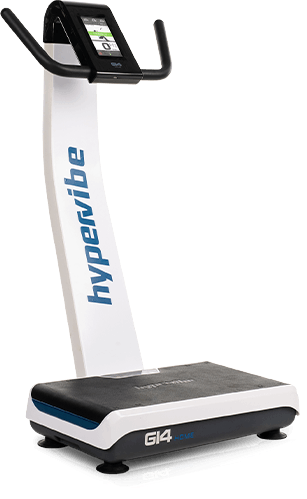
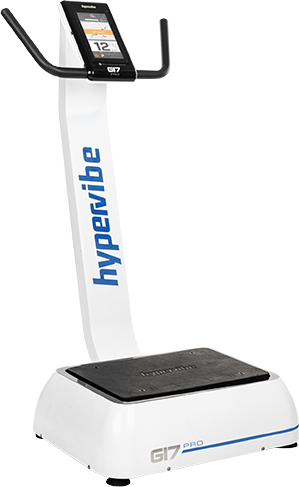
Whole-body vibration plates (including Hypervibe): how they support lymph & what side effects to watch
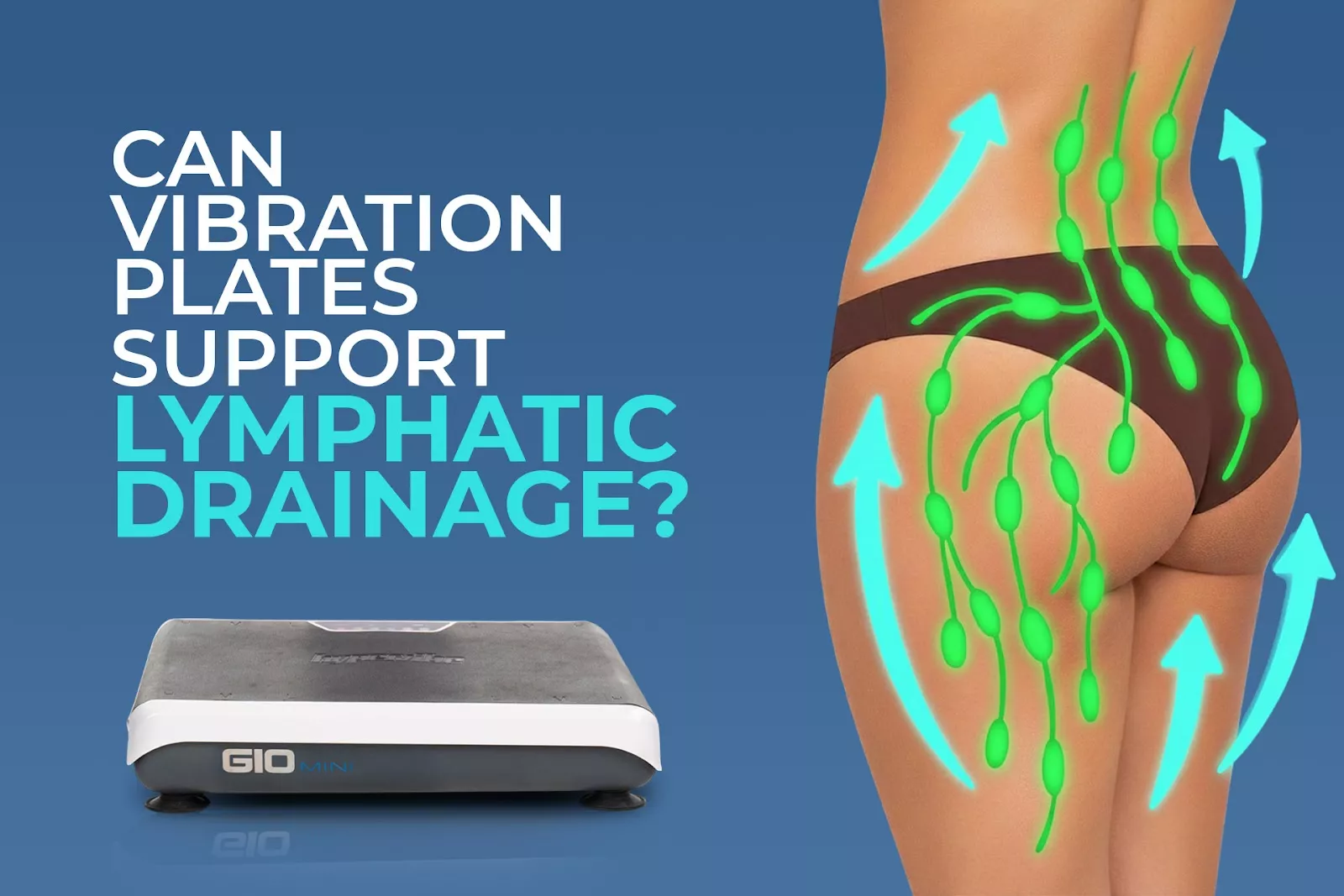
Whole-body vibration (WBV) creates rapid muscular contraction, reproduces gravity’s “pull” and activates normal pumping actions in the body—all things that matter because lymph flow relies heavily on movement and external pumping forces.
Some clinical and rehab research has explored WBV in cancer survivorship contexts (showing feasibility and physiologic responses),
and small studies have examined adding vibration to self-lymphatic routines in breast-cancer–related lymphedema.
How to keep it safer
Think dose, not duration: start low, use short bouts, add rest, and only progress if symptom-free.
Stop and reassess if symptoms intensify—don’t “push through” in medically complex or hypersensitive patients.
If you’re using WBV as an adjunct, it should sit alongside the basics (walking, other alternative exercises, compression when indicated, and clinician guidance), not replace them.
Hypervibe’s advantage is that it’s built around controllable parameters and safety education—i.e., a more clinician-style approach: start conservatively, tune the dose, and screen who shouldn’t use it.
That’s exactly the mindset that reduces the broader dangers of lymphatic massage and device misuse: right tool, right person, right dose.

When to Call a Doctor About Lymphatic Drainage Side Effects
Clinician consultation discussing symptoms and care options.
Emergency Symptoms – Call 911 / Go to the ER Immediately
These symptoms can signal a clot, heart/lung event, stroke, or severe infection. Don’t try to “sleep it off.”
Chest pain/pressure, especially if it’s new, severe, or comes with sweating, nausea, or pain spreading to the jaw/arm/back
Sudden severe shortness of breath or trouble breathing
Fainting or near-fainting
Signs of stroke: sudden weakness/numbness on one side, face drooping, trouble speaking, sudden vision change, or a sudden severe headache
Sudden one-sided leg swelling (especially with calf pain, warmth, or redness)
Urgent but Non-Emergency – Call Your Doctor Within 24 Hours
These don’t always require the ER, but they shouldn’t wait several days—especially if the person is post-op, immunocompromised, or has chronic swelling.
Fever or feeling acutely unwell after treatment
Redness, warmth, increasing pain, or increased swelling (possible infection/cellulitis—particularly important in lymphedema)
Rapidly worsening swelling or a sudden dramatic increase in limb size (especially in known lymphedema)
Persistent vomiting or inability to keep fluids down (dehydration risk)
Persistent severe diarrhea or abdominal pain lasting 24–48 hours
New rash with facial swelling or breathing symptoms (treat as an emergency if breathing is affected)
New severe pain that’s escalating rather than settling
How to Document Your Symptoms for The Doctor Visit
When someone calls a clinician, vague summaries (“I felt weird”) slow everything down. A simple symptom log makes triage faster and safer.
Use This 60-Second Checklist
What intervention was done? (manual lymphatic drainage, device, compression, heat/sauna, exercise)
When did symptoms start? (during session / right after / hours later / next day)
How long have they lasted? (minutes / hours / days)
Severity (0–10): pain, nausea, headache, shortness of breath, swelling, tightness
Where exactly? (which limb/area; is it one-sided or both?)
Any infection signs? fever, redness, warmth, streaking, chills
What helped or worsened it? hydration, rest, walking, compression, meds
Relevant context: recent surgery date, cancer history/radiation skin changes, heart/kidney issues, blood thinners/diuretics, recent travel/immobility
FAQs
- What are the side effects of lymphatic drainage?+
Most people tolerate lymphatic drainage well, but some may notice fatigue, a mild headache, or mild nausea afterward.
These effects are usually short-lived; if you feel unwell or symptoms worsen, check in with a clinician.
- Is it normal to feel sick after lymphatic drainage?+
Feeling a little tired, headachy, or mildly nauseous can happen and often settles with hydration and rest.
Feeling truly ill (fever, rapidly worsening swelling, chest symptoms) is not something to label as “detox”—that’s a reason to call your doctor.
- Can lymphatic drainage make you gain or lose weight?+
It won’t melt body fat, but it can change fluid retention temporarily—so some people see short-term scale changes (up or down) based on hydration and swelling.
- How often is it safe to get lymphatic drainage massage?+
It depends on why you’re doing it (medical swelling vs. wellness), your health status, and how you respond.
Work with a certified lymphedema therapist and ask your doctor what’s appropriate for you.
- Can I do self-lymphatic drainage safely at home?+
Sometimes, yes—if you’re gentle, use light strokes, and your clinician has told you it’s appropriate for your situation.
- Why do I pee more after lymphatic drainage?+
Increased urination is a common short-term effect because fluid that’s moved back toward circulation is often cleared through the kidneys.
If you notice this, hydrate steadily that day.
- Can lymphatic drainage cause diarrhea?+
It can happen for some people, usually as a short-lived change in gut motility after relaxation/bodywork—but it’s not one of the “core” side effects.
If diarrhea is severe, lasts more than 24–48 hours, or you can’t keep fluids down, contact a clinician.
- How long do side effects last?+
When side effects occur, they’re usually mild and temporary (often same-day, sometimes into the next day).
If you feel worse by day 2–3, or symptoms are escalating, pause sessions and seek medical advice.
- Who should avoid lymphatic drainage massage?+
Avoid lymphatic drainage if you have conditions such as blood clots/DVT, cellulitis or infection, fever, heart disease, kidney failure, or stroke.
It’s also important to note massage therapists shouldn’t massage directly over cancerous tissue or skin damaged by radiation.
- Is lymphatic drainage massage safe if I have lymphedema?+
It’s commonly used in lymphedema care and is generally considered safe when done by trained professionals and used as part of an overall plan.
But if your swelling suddenly worsens, or you develop signs of infection (redness/warmth/fever), you should contact your healthcare team promptly.

Rockell Williamson-Rudder is a movement specialist and fitness educator with a background in boutique fitness, WBV training, and Pilates. As International Program Director at Hypervibe, she has developed training programs for therapists and trainers worldwide. A former professional dancer and global fitness leader, she has helped expand wellness brands internationally.