
£1,032.50 incl. VAT
Shop Now
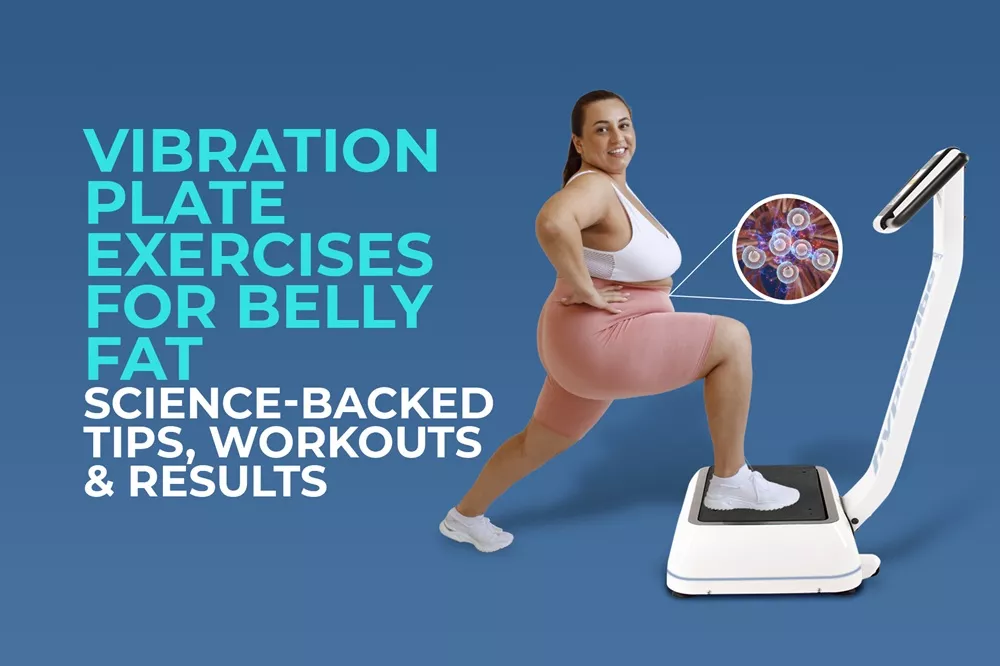
Vibration Plates—used for Whole Body Vibration (WBV) or Vibration Training—can help reduce overall body fat (including belly fat) when you combine them with a calorie deficit diet, training consistency, and good recovery habits.
There is no true targeted “spot reduction” with any exercise, but exercise routines that utilize a Vibration Plate make it easier to strengthen your core, recruit more muscle in the midsection, and add efficiency and benefits to traditional workouts.
This guide is especially useful for beginners, busy adults, postpartum women (once medically cleared), and older users who want low-impact options.
Best Vibration Plate Exercises:
Hypervibe G10 MINI V2
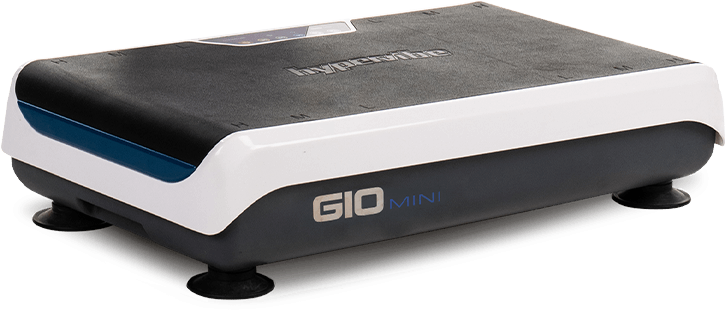


 £1,032.50 incl. VAT
Shop Now
£1,032.50 incl. VAT
Shop Now
Below are the best “vibration plate tummy exercises” because they combine core bracing and big muscle involvement (legs/glutes/shoulders), which increases total effort and helps support overall fat loss over time.
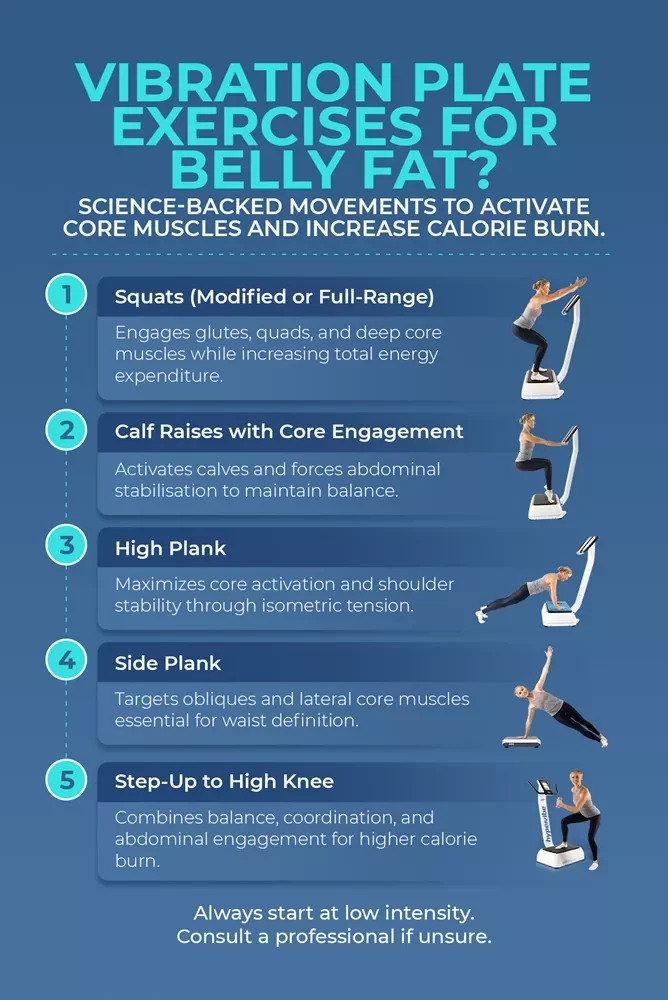
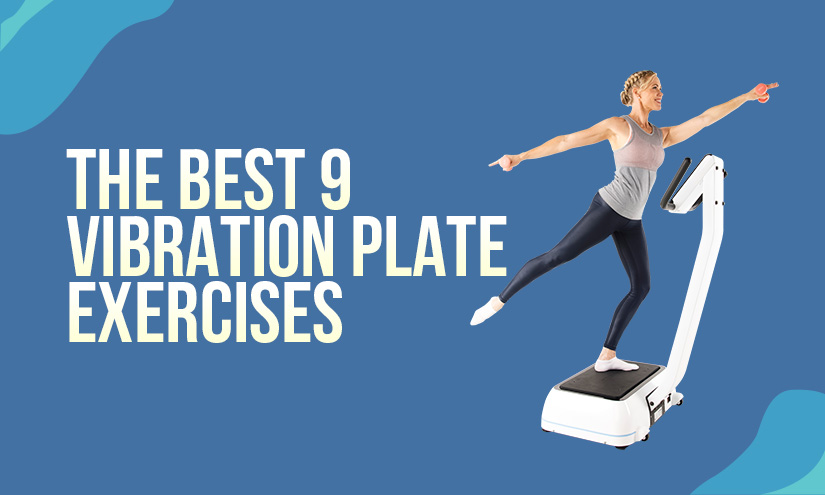
A visual guide to the best movements for maximizing calorie burn and muscle activation on a vibration plate.
Whole Body Vibration (WBV) can increase muscle activation through rapid involuntary contractions (often discussed as reflexive/tonic vibration effects), which raises the effort of simple exercises.
That’s why WBV can support fat loss, especially when added on top of traditional exercise and a calorie-controlled diet.
While the evidence includes some mixed results, the best-designed trials and meta-analyses are positive, making a well-designed Vibration Plate a legitimate tool for weight loss rather than a gimmick.
| Evidence tier | Key finding | Population & protocol | Ref. |
| Randomised 12-mo. RCT | –48 cm² visceral-fat loss, long-term 5% weight-loss maintenance when WBV and diet vs. diet alone | 61 obese adults, 6 mo. WBV (30 Hz) and 6 mo. follow-up | PMC |
| Systematic review (2019) | Significant fat-mass reduction when WBV complements diet/exercise; effect strongest in obese & bariatric clients | 8 trials, n = 235 | PMC |
| Energy-expenditure trial (2023) | WBV raised caloric burn ≈ 15 % over identical low-intensity training without vibration | Healthy adults, 30 Hz, 4-week protocol | Frontiers |
| 8-wk diet and WBV RCT | Greater drop in fat-mass and insulin resistance than diet alone | Middle-aged obese subjects | PubMed |
| 12-wk WBV study | –4.4 % total-body fat in post-menopausal women | 30-Hz sessions, 3×/week | MDPI |
| Systematic Review / Meta-Analysis | Fat mass improved, but body fat did not reach significance | Static postures, low amplitude | PMC |
You can’t lose fat only from your stomach; it’s not how physiology works.
The Vibration Plate’s value is that it can make training feel more “effective per minute”, so you’re more likely to move, build muscle, and stay consistent.
This supports overall fat loss (including around the waist).
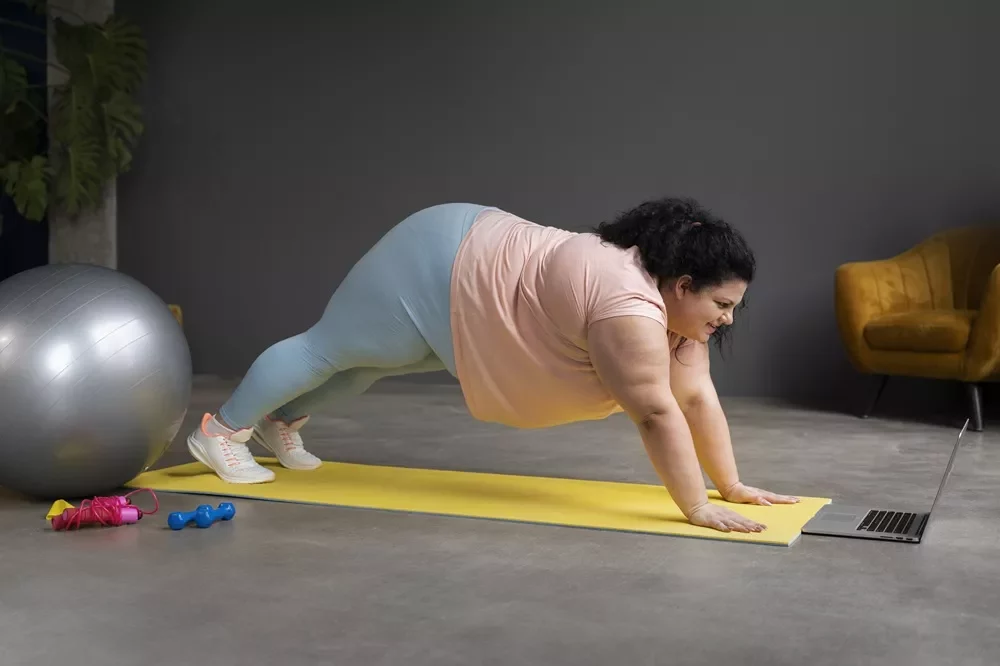
A woman focuses on her core strength by performing a plank during a guided home fitness session.
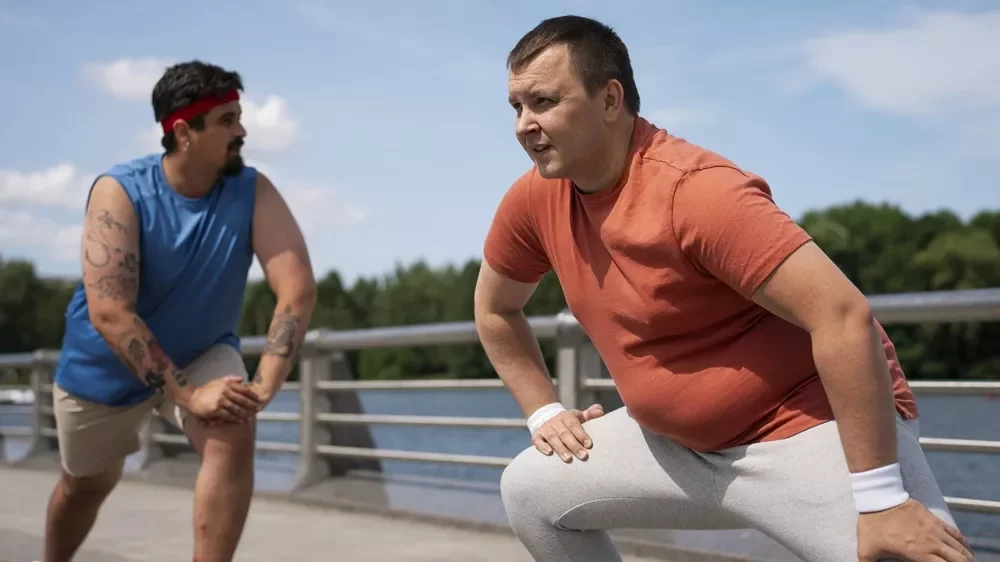
Group exercise outdoors can provide both physical benefits and social motivation.
If you’re a fitness beginner (roughly 30–55) who wants a flatter midsection, better energy, and the confidence to train at home, you’ll get a simple 10-minute Level 1 routine with clear safety cues so you’re not guessing at the settings or worrying you’ll hurt yourself.
It’s also ideal for middle-aged adults (around 40–65) who want to reduce waist size without aggravating knees or hips by using supported, controlled movements and gradual progression so they don’t feel overwhelmed or dizzy.
For postpartum women, the approach is intentionally cautious: only once you’re medically cleared, you’ll start with low-intensity standing moves with clear “stop signs” to avoid putting unnecessary pressure on the pelvic floor.
Then, progress from there.
If you already own a Vibration Plate and want to feel like it was worth the investment, the below routines give you structured level 1–3 routines and a simple settings “cheat sheet.”
And if you’re more science-minded, someone who wants evidence-informed ranges, progression, and practical dosing, you’ll find clear frequency bands and session structure pulled directly from common WBV training protocols.
If you’re new, start here: 10 minutes, 3× per week.
It’s designed for anyone who feels out of practice, stiff, or nervous.
Warm-up setting used in the guide: 8–12 Hz for 1–3 minutes.
Rotate 30–45 seconds work / 15–30 seconds rest:
If you have bad knees, reduce squat depth and slow step-ups.
If you have a sensitive lower back, try a smaller bridge range and focus on brace and breathing.
Dynamic movements and moderate-to-higher frequencies are what make WBV workouts feel harder.
Split your workouts between strength and cardio.
2–3×/week WBV-focused core/conditioning and 2×/week cardio
Only start after clearance from your GP/midwife/physio.
Red flags (stop and call your provider): heaviness/pressure, pain that worsens, dizziness, or anything that feels “wrong.”
| Week | Session Length (min) | Frequency (Hz) | RPE (Rate of Perceived Exertion) |
| 1 | 3-5 | 5-15 Hz | 3–4 (Light to Moderate) |
| 2 | 7-10 | 5-22 Hz | 4–5 (Moderate) |
| 3 | 10-15 | 5-30 Hz | 5–6 (Moderate to Hard) |
| 4 | 15-20 | 5-35 Hz | 6–7 (Hard) |
A Vibration Plate doesn’t magically “melt” belly fat, but it can make simple moves feel harder by increasing muscle activation while you train.
While WBV is effective when you stand on it, you’ll get the most out of it when you do exercises on the Vibration Plate (like squats, planks, lunges, and push-up holds).
Compared with running or jump-heavy workouts, Vibration Plate training has a lower impact on the knees, hips, and ankles.
That makes it a useful option if you want a more joint-friendly way to build strength and conditioning, and many people find they can get a solid session done in 10–20 minutes.
For the best belly-fat results, combine vibration training with:
Maximising weight loss with a Vibration Plate involves more than simply stepping on and hoping for the best.
The best results come from pairing your sessions with consistent habits that support fat loss, recovery, and progress.
Vibration Plates can be a great tool for fitness and weight loss when used correctly.
The following mistakes are the most common reasons people stall—or end up sore in the wrong places.
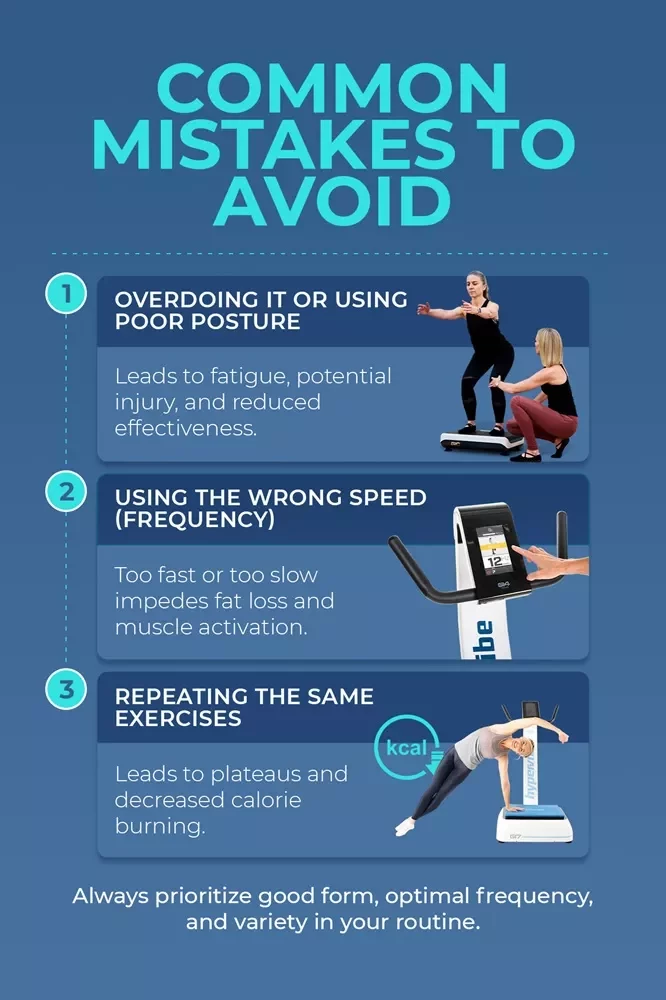
Avoid common pitfalls to ensure your vibration plate workouts remain safe and effective.
Picking a setting that doesn’t match your goal can make sessions feel pointless—or too intense too soon.
As a general guide:
Doing identical sessions can lead to plateaus.
Rotate movements that challenge different areas—legs/glutes, core stability, upper body—so your body keeps adapting and you stay mentally engaged.
In the first few weeks, most people notice “performance” changes before body changes.
That can look like better balance on the plate, less stiffness, improved posture awareness, and feeling more switched-on through the core during everyday movements.
You may also find you recover faster from simple workouts and feel more energised after sessions.
With consistent training and supportive nutrition, the more noticeable changes often show up between weeks 4 and 12.
Common signs include your waistline feeling a bit looser in clothes, improved progress photos, better exercise endurance, and steadier weekly trends in weight or measurements (rather than dramatic overnight drops).
Yes—especially when you pair it with a good diet ans cardio. Whole Body Vibration (WBV) can support fat loss, including abdominal/visceral fat. Do full-body moves that encourage core bracing (squats, planks, and lunge/step patterns), and train consistently rather than occasionally. However, please note that spot reduction is not possible, and overall weight loss is required. A good place to start is 10–20 minutes, 3–4× per week. Standing passively may only deliver a small calorie burn and posture support (similar to slow walking). For meaningful results, add dynamic exercises like squats, planks, and lunges. Yes—if you start low, keep joints soft, use support for balance, and avoid use if there are contraindications (or speak to your GP/physio first). Only after clearance from your GP/midwife/physio. Start with gentle standing work and conservative settings, and stop if anything feels wrong. A Vibration Plate can intensify strength workouts and conditioning, while cardio adds cardiovascular benefits; together, they work well in a fat-loss plan. It depends on what you do, as well as your physique. A basic stance may burn 100–150 calories, while a full-body session can reach 200–300 calories. However, these are only estimates.
FAQs
- Can a Vibration Plate Help You Lose Belly Fat?
- What’s the Best Way to Lose Belly Fat on a Vibration Plate?
- How Often Should I Use a Vibration Plate for Belly Fat?
- Can I Just Stand on the Plate and Still Lose Fat?
- Is a Vibration Plate Safe If I’m a Beginner or Over 50?
- Can I Use a Vibration Plate After Pregnancy?
- What’s Better for Belly Fat—Vibration Plate or Treadmill?
- How Many Calories Do You Burn in a 10-Minute Session?
Whole Body Vibration (WBV) training offers a science-backed, time-efficient method to enhance fat loss, improve muscle tone, and boost metabolic health.
By incorporating Vibration Plate exercises for weight loss into your routine—especially at the optimal frequency of 20–30 Hz—you can amplify your fitness results with minimal joint impact.
To maximise benefits:
For those new to WBV, starting with beginner-friendly routines ensures safety and effectiveness.
As you become more comfortable, you can gradually increase intensity and complexity.
Ready to embark on your WBV journey? Explore Hypervibe’s range of vibration machines, designed to cater to various fitness levels and goals.
Hypervibe machines are trusted by over 530,000 users worldwide.
Take the first step toward a healthier, more vibrant you today!


The worst foods for someone looking to maintain a healthy...
Vibration Plates—used for Whole Body Vibration (WBV) or Vibration Training—can...

If you keep hearing more about the vibration plate lately,...
The best fitness equipment for the low back includes back/lumbar...
Whole body vibration exercises may not seem the safest choice...
In order to keep your balance while standing on the moving plate, your muscles have to alternate between being tense...
Can vibration machine exercises support weight loss? It’s one of the most frequent questions clients ask before buying a whole...

If you keep hearing more about the vibration plate lately, there is a solid reason for that. The innovative fitness...
They come in many colors and sizes and whether you call them Swiss balls, balance balls or exercise balls, one...
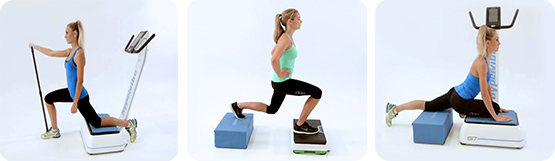
For firm glutes and thighs and a toned lower body, the best routine is a combination of cardio and strength...
With our busy lifestyles, making time for a workout can be challenging even for those who are willing to put...
The worst foods for someone looking to maintain a healthy...
Vibration Plates—used for Whole Body Vibration (WBV) or Vibration Training—can...
If you keep hearing more about the vibration plate lately,...
The best fitness equipment for the low back includes back/lumbar...

Whole body vibration exercises may not seem the safest choice...