fbpx

Worst foods for the lymphatic system (and what to eat instead)

Written by: Gabriel Ettenson, MS, PT, Published on: 16/01/2026

The worst foods for someone looking to maintain a healthy lymphatic system are those that promote inflammation, causing your body to hold on to fluid and become increasingly “toxic”.

These foods tend to be ultra-processed, salty, sugary, or deep-fried. They increase swelling, cause weight gain and can cause lymphoedema.

This makes them key foods to avoid if you have been diagnosed with swollen lymph nodes.

Quick Review: 9 worst food categories for lymphatic system health:

  • Ultra-processed: ready meals, takeaways and packaged snacks
  • Salty foods: crisps, salted nuts, instant noodles, packet soups
  • Processed meats: bacon, sausages, deli meats, hot dogs
  • Deep-fried foods: chips, fried chicken, battered items
  • Beverages: Sugary drinks, energy drinks and diet soda
  • Heavy alcohol use
  • Ultra-sweet desserts and refined carbohydrates: cakes, pastries, white bread
  • Foods high in trans fats and poor-quality oils: partially hydrogenated fats, some packaged baked goods
  • Fad “detox” teas and extreme crash diets that destabilize fluid and electrolyte balance and may worsen swelling over time

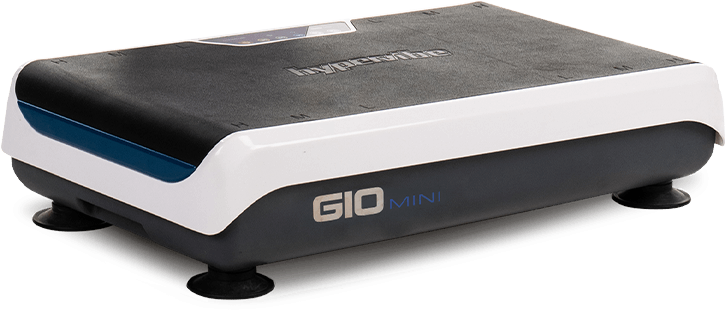
G10 –

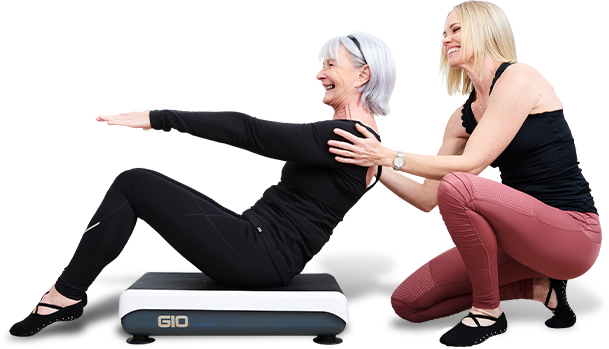
Hypervibe G10 MINI V2
  • icon Reduces Body fat
  • icon Strengthen Muscles, Joints & Bones
  • icon Bluetooth Technology
  • icon 1300+ medical references
£1,032.50 incl. VAT
Shop Now

How Your Lymphatic System Works

Your lymphatic system is like your body’s filtration system and clean-up crew.

It’s a network of vessels, lymph nodes and organs that collect extra fluid from your tissues, remove waste, bacteria and damaged cells, and then return the cleaned fluid back to your bloodstream.

It also houses many of your immune system cells, so it also helps you fight infections and abnormal cells.

Unlike your heart and blood vessels, the lymphatic system doesn’t have its own strong “pump”.

Instead, lymph moves when you move, relying on gravity to signal for it to engage.

Everyday things like walking, weightlifting, deep breathing, stretching and other forms of exercise squeeze the lymph vessels and help push fluid along.

That’s one reason why long periods of sitting still, injury, surgery or lymph node removal can make swelling and lymphoedema more likely.

How a Diet Halts the Lymphatic System and Worsens Swelling

When your lymphatic system can’t keep up with the amount of fluid and waste in your tissues, you get what many clinicians call lymphatic congestion: lymph fluid moves more slowly, protein-rich fluid builds up under the skin, and the risk of swelling, skin changes, and infection goes up.

This is a snapshot of what it’s like to have lymphoedema or chronic oedema

Certain eating patterns make that congestion more likely and create more work for an already stressed lymphatic system.

An anti-inflammatory diet supports lymph nodes. It should be built around whole foods, lean protein, fibre, and less added salt and sugar.

The 10 Worst Foods For Your Lymphatic System

List of the 10 worst food categories for the lymphatic system, including processed meats, sugary drinks, and salty snacks.

A checklist of dietary categories to avoid to minimize inflammation and fluid retention.

1. Ultra-Processed Foods and Ready Meals

Ultra-processed foods pack a lot of salt, sugar, additives, and poor-quality fats into small portions.

This combination drives inflammation, encourages water retention, and makes weight gain more likely.

Ultra-processed food alternatives:

  • Ready meal – a simple home-cooked plate (grilled chicken or fish, steamed vegetables, baked potato, or brown rice).
  • Packet sauce – quick sauces made from tinned tomatoes, herbs, garlic, olive oil, and lemon.
  • Frozen pizza – wholegrain pita or flatbread topped with vegetables and a little cheese, and baked at home.
  • Packaged snacks – batch-cooked stews, soups, and slow-cooker recipes you can portion and freeze for easy, lymph-friendly grab-and-go meals.

2. Salty Snacks and High-Sodium Foods

Excess salt pulls extra water into your bloodstream and tissues,

which can quickly show up as puffiness and worsening swelling in lymphoedema.

Lower salt, healthier alternatives: 

  • Crisps and salted nuts – unsalted nuts, seeds, or a small portion of air-popped popcorn.
  • Instant noodles and packet soups – homemade soup using low-sodium stock, beans, and vegetables.
  • Salty takeaways – home-cooked stir-fries with plenty of vegetables, lean protein, and reduced-salt soy sauce.
  • Ready sauces and gravies – tomato, herb, garlic, and lemon-based sauces made at home, using herbs and spices instead of extra salt.

3. Processed Meats

Processed meats are packed with sodium, saturated fat, and preservatives.

Processed meat alternatives:

  • Bacon/sausage breakfast – eggs with vegetables or a veggie omelette.
  • Ham or salami sandwich – grilled chicken, turkey breast, or hummus with plenty of salad.
  • Processed meat pizza topping – smaller amounts of lean chicken or extra vegetables.
  • Regular deli meats – home-cooked chicken, turkey, beans, lentils, or fish in a more Mediterranean-style pattern (olive oil, herbs, vegetables, whole grains).

4. Deep-Fried Foods and Fast Food

Regularly eating fried foods overloads the lymphatic system with saturated and trans fats.

Deep-fried foods alternatives:

  • Deep-fried chips – oven-baked or air-fried potato wedges.
  • Fried chicken – skinless chicken baked, grilled, or air-fried with a light coating.
  • Battered fish – fish fillets baked or grilled with herbs, lemon, and a drizzle of olive oil.
  • Doughnuts and fried pastries – baked goods eaten less often, or fruit with yoghurt and a small piece of dark chocolate.

5. Sugary Drinks, Energy Drinks, and Regular Soda

Sugary drinks hit your system with fast sugar and very little fibre, causing blood sugar spikes, more inflammation, and easy weight gain.

On their own, they don’t cause swollen lymph nodes directly.

Swollen nodes are more often linked to infections, immune reactions, or other medical conditions.

But these can make it worse.

Sugary drinks alternatives:

  • Soda – still or sparkling water with lemon, lime, cucumber, or berries.
  • Energy drink – water plus a small snack with protein and complex carbs (e.g., nuts and fruit).
  • Sweet bottled tea/coffee – unsweetened herbal, green, or black tea; plain coffee with minimal sugar.
  • Large sugary juice – a piece of whole fruit and a glass of water, or diluted 100% juice in moderation.

6. Excess Caffeine (Coffee, Strong Tea, Energy Drinks)  

For most healthy adults, moderate caffeine (up to about 400 mg per day, roughly 3–4 cups of coffee) is generally considered safe.

But large amounts of caffeine from coffee, strong tea, or energy drinks can disturb sleep, act as a mild diuretic,

and raise stress hormones—all of which can upset fluid balance and make some people with lymphoedema feel worse.

Some lymphoedema and oncology nutrition resources therefore suggest limiting caffeinated drinks and avoiding heavy, all-day use.

There’s no strong evidence that caffeine directly causes swollen lymph nodes.

How to take caffeine:

  • Cut back gradually to 1–2 cups of coffee or strong tea per day, taken earlier in the day.  Choose unsweetened coffee/tea, or add only a little milk and minimal sugar.
  • Swap late-night coffee for decaf or naturally caffeine-free herbal teas (chamomile, peppermint, and rooibos).
  • If you’re very sensitive, try one small caffeinated drink in the morning plus herbal teas/water for the rest of the day.

7. Ultra-Sweet Desserts and Refined Carbohydrates

These foods spike blood sugar quickly, encourage insulin resistance over time, and are strongly tied to weight gain.

Ultra-sweet foods alternatives

  • White bread – wholegrain or seeded bread for more fibre and slower digestion.
  • Sugary cereal – porridge oats topped with fruit and a few nuts.
  • Daily cake/pastries – fruit, plain yoghurt, or a small square of dark chocolate a few times a week.
  • White pasta/rice – wholewheat pasta, brown rice, quinoa, lentils, or beans to steady blood sugar and support better fluid balance.

8. Heavy Alcohol Intake

Alcohol affects the lymphatic system on several fronts:

  • it puts extra work on your liver,
  • alters hormone and fluid balance,
  • and can both dehydrate you and promote blood vessel dilation.

It is linked with worse swelling and slower recovery.

How to Handle Alcohol Intake

  • If your medical team says alcohol is allowed, stick to national “low-risk” limits (often 1 drink/day for women, 2 for men—or less, depending on your case) and have alcohol-free days each week.
  • Choose smaller servings of wine or beer instead of large sugary cocktails.
  • Alternate every alcoholic drink with a glass of water.
  • If alcohol clearly triggers swelling or you’re in active cancer treatment, talk to your healthcare team about cutting it out completely.

9. High Trans Fat Foods and Poor-Quality Oils

Trans fats and most refined oils are among the worst fats for the lymphatic system because they strongly promote inflammation, raise “bad” LDL cholesterol, and lower “good” HDL.

They commonly appear in packaged baked goods, margarines, fast food, and some fried snacks, exactly the foods most lymphoedema guidelines ask patients to limit.

How to reduce trans fats in lymphoedema

  • Check labels and avoid products listing “partially hydrogenated oils”.
  • Use healthier oils like olive oil or rapeseed/canola oil for home cooking.
  • Choose nuts, seeds, and oily fish (salmon, sardines, mackerel) for anti-inflammatory fats.
  • Save packaged pastries for rare occasions and favour homemade or bakery items using butter or healthier oils in smaller portions.

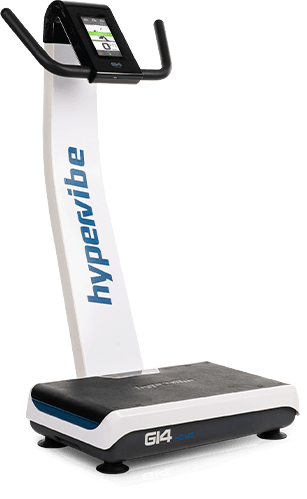
G14 –

Hypervibe G14 Home V3
  • icon Reduces Body Fat
  • icon Strengthen Muscles, Joints & Bones
  • icon WIFI
  • icon 40 x Therapist Designed Programs
£2,332.50 incl. VAT
Shop Now

10. “Detox” Teas, Laxative Teas, and Extreme Crash Diets

“Lymph detox tea”, “lymph cleanse diet”, “weight loss detox tea”, and similar promises sound appealing when you’re bloated or swollen, but most of these products rely on strong diuretics and laxatives.

These can lead to dehydration, electrolyte imbalance, bowel irritation, and possible interactions with medications.

There’s no good evidence that harsh cleanses or extreme crash diets “flush” the lymphatic system.

Clinical lymphoedema programmes emphasise steady, anti-inflammatory eating, consistent hydration, and prescribed therapies instead of short, aggressive “detoxes”.

Examples:

  • “Slimming” or lymph detox teas with strong laxative or diuretic herbs
  • Juice-only cleanses lasting several days
  • Very low-calorie crash diets or meal-replacement schemes
  • Plans that cut out whole food groups without medical supervision

Healthier options:

  • Swap detox teas for water, herbal teas, and green tea in sensible amounts, as advised by your team.
  • Replace extreme cleanses with a stable, anti-inflammatory eating pattern: plenty of vegetables, fruit, lean protein, healthy fats, and whole grains.
  • Focus on consistent hydration rather than “flushing”: regular water intake across the day.
  • Combine good nutrition with movement, compression garments, and medically supervised lymphatic drainage where recommended, instead of relying on quick fixes.

Get our free checklist to start your lymphatic system support diet.

What to Eat Instead: A Lymph-Friendly Daily Plate

Nutritional guide titled "What To Eat Instead" showing a lymph-friendly daily plate with vegetables, lean protein, and whole grains.

A visual guide for constructing a balanced meal that supports lymphatic drainage and overall health.

Core Principles of a Lymph-Friendly Diet

Once you know what to limit, the next question is naturally, “So what should I actually eat to support my lymphatic system and manage swelling?”

A lymph-friendly way of eating is basically an anti-inflammatory, mostly whole-food pattern that you can stick with long-term.

It doesn’t have to be perfect or fancy.

Key principles most lymphoedema and oncology nutrition guides agree on:

  • Plenty of vegetables and fruit
  • Whole grains instead of refined carbs
  • Lean protein at each meal
  • Healthy fats in small amounts
  • Reduced sodium
  • Low in ultra-processed foods and added sugars

Simple Plate Visual (Easy Daily Guide)

When in doubt, use this easy plate method for main meals.

  • ½ plate: vegetables or salad: e.g., mixed salad, steamed broccoli and carrots, roasted veg, stir-fried greens
  • ¼ plate: lean protein: e.g., fish, skinless chicken or turkey, beans, lentils, tofu, eggs
  • ¼ plate: wholegrain or starchy carb: e.g., brown rice, wholemeal pasta, quinoa, wholemeal couscous, new potatoes

Plus on the side:

  • One piece of fruit or a small fruit salad
  • One glass of water or an unsweetened drink (herbal tea, still or sparkling water)

1-Day Sample Menu

Here’s a very simple day of eating that follows the plate guide.

Use it as inspiration and adapt it to your preferences, allergies, and cultural foods.

Breakfast

  • Porridge made with oats and semi-skimmed or plant milk
  • Topped with a handful of berries (fresh or frozen) and a sprinkle of chopped nuts or seeds
  • Optional: one boiled egg if you need extra protein
  • Drink: water, herbal tea or a small, unsweetened tea/coffee

Mid-Morning Snack (If Needed)

  • One piece of fruit (e.g., apple, pear, satsuma)
  • A small handful of unsalted nuts

Lunch

  • Wholemeal sandwich or wrap with:
  • Grilled chicken, tuna in spring water (drained), boiled egg, or hummus
  • Plus salad fillings like lettuce, tomato, cucumber and grated carrot
  • Side: a mug of vegetable or lentil soup (low-salt if shop-bought)
  • Drink: water or unsweetened tea

Afternoon Snack

  • Plain or low-sugar yogurt (dairy or plant-based) with sliced fruit or
  • Veg sticks (carrot, cucumber, pepper) with hummus

Dinner

  • Baked or grilled salmon, white fish, or skinless chicken thigh
  • Brown rice, quinoa, wholemeal couscous or a small portion of new potatoes
  • ½ plate of mixed vegetables (e.g., steamed green beans, broccoli and carrots, or a big side salad with olive-oil-and-lemon dressing)
  • Drink: water, sparkling water or herbal tea

Optional Small Dessert

  • Fruit salad with a spoon of yogurt or
  • 1–2 small squares of dark chocolate (70%+)

Hydration and Sodium: How Much Is “About Right”?

Your lymphatic system needs enough fluid to move lymph, but not so much that the body strains to move it.

It also doesn’t want so much salt that you constantly retain water.

Hydration

  • Many adults do well with roughly 1.5–2 liters of fluid per day (about 6–8 glasses), including water, herbal tea and other unsweetened drinks.
  • In hot weather, with exercise, or if you sweat more, you may need a bit more.
  • Sip regularly through the day rather than drinking huge amounts all at once – “steady hydration” is easier on your system.

Sodium / Salt

  • General NHS-style advice is to keep salt intake under about 6 g of salt per day (around 2.4 g sodium), often by:
  • Limiting processed foods, packet snacks and takeaway meals
  • Tasting food before adding extra salt
  • Flavoring with herbs, spices, lemon, garlic and vinegar instead

For some people with lymphoedema, your doctor may suggest slightly stricter or looser limits depending on your situation.

Five Practical Food Shifts to Help Start Healthier Eating Habits

Guide showing five practical food shifts to start healthier eating habits, such as cooking at home and swapping sugary drinks.

Actionable steps to transition toward a healthier diet that supports lymphatic function.

Small, steady shifts in how you eat are encouraged over strict “detox” plans.

  1. Cook at home 1–2 more nights per week
  2. Swap one sugary drink per day for water or herbal tea
  3. Add at least one extra vegetable portion to each meal
  4. Plan 2–3 low-salt “reset” days after big occasions
  5. Combine food changes with compression, movement and other therapies

Diet is one piece of the lymphoedema puzzle.

The best results usually come when an anti-inflammatory, weight-friendly diet is combined with:

  • Compression garments (as prescribed)
  • Exercise and deep-breathing work
  • Skin care and manual lymphatic drainage where advised
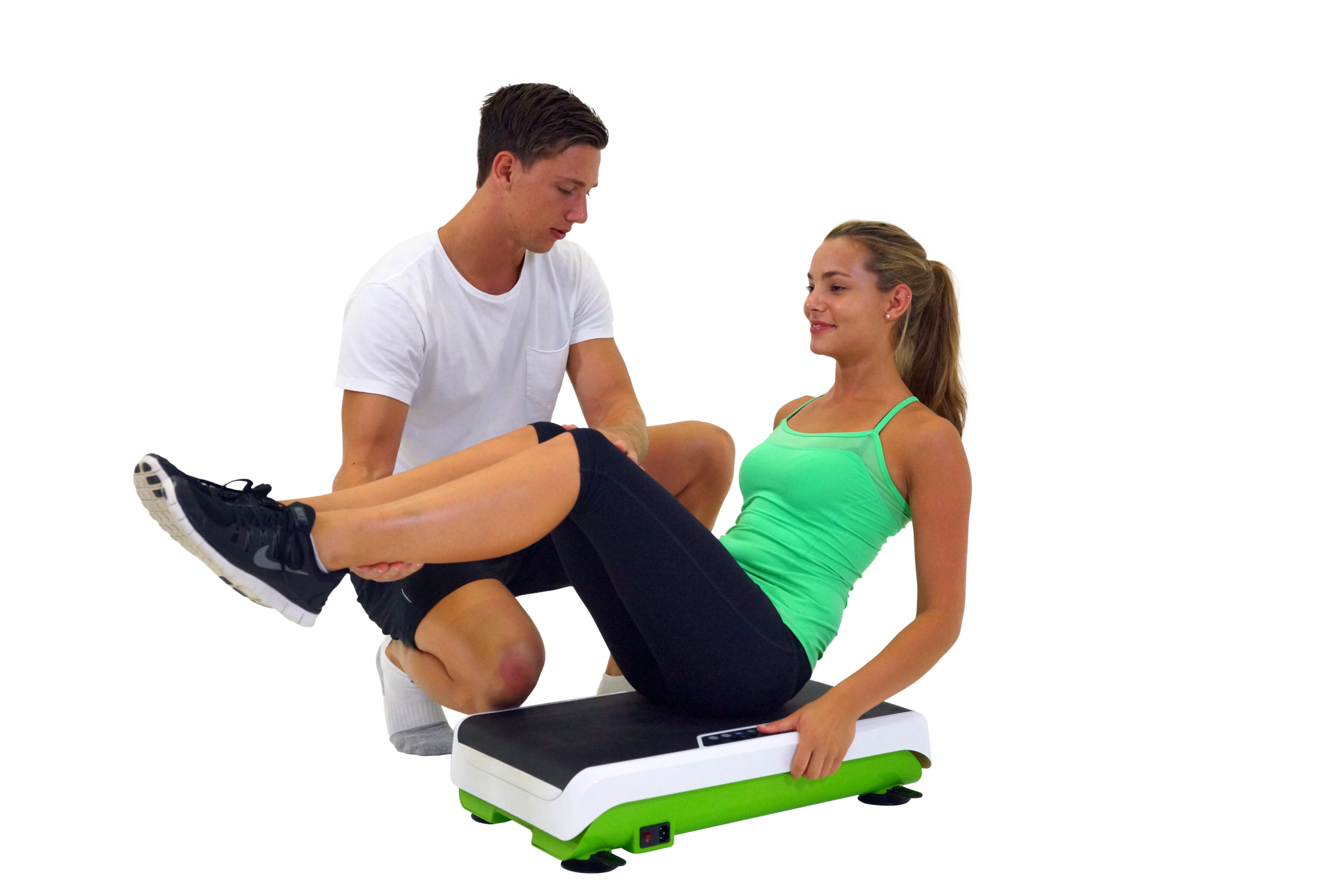
  • Tools like Whole Body Vibration (WBV), such as Hypervibe, or low-impact cardio, used under professional guidance as part of an overall rehab plan.

Myths About Nutrition and Lifestyle for the Lymphatic System

  1. A single detox food, drink, or smoothie can flush your lymphatic system.
  2. You can fix lymphoedema or chronic swelling, with diet alone.
  3. Salt is the only thing that affects fluid retention.
  4. If you just drink gallons of water, your lymph will automatically detox.
  5. Detox teas and laxative cleanses are good for the lymphatic system.
  6. Cutting out entire food groups is the best way to reduce swelling.
  7. If I lose weight, my lymphoedema will completely disappear.
  8. All exercise is dangerous if you have lymphoedema.
Infographic listing common myths about nutrition and lifestyle for the lymphatic system, debunking ideas about detox teas and exercise dangers.

A myth-busting guide clarifying misconceptions regarding diet and lifestyle for lymphatic health.

What Actually Works for Lymph System Health and Support?

Instead of hunting for the perfect detox hack,

it’s more helpful to think in terms of layers that work together:

  • Diet
  • Movement
  • Manual or device-based treatments
  • Quality sleep and stress management
  • Medical care

How Hypervibe Fits Into an Evidence-Consistent Lymph Support Plan

Hypervibe Whole Body Vibration can be a helpful adjunct to a lymph-friendly lifestyle when it’s used thoughtfully and alongside clinical advice.

Informational graphic explaining how Hypervibe whole body vibration fits into an evidence-consistent lymph support plan.

Understanding the role of Whole Body Vibration technology in a comprehensive lymphatic management strategy.

Here’s how it realistically fits in:

  •  Not a Cure on Its Own: Hypervibe is not a stand-alone treatment for lymphoedema, cellulite, or swollen lymph nodes. It should be used alongside compression garments, skin care, cardio, manual therapies, and medical guidance from your lymphoedema or oncology team.
  • Helps Promote Movement-Driven Lymph Flow: Whole Body Vibration encourages small, repeated muscle contractions throughout the body, which can help stimulate circulation and lymph movement when combined with simple stances and exercises. Because the platform does a lot of the “work” for you, it can be easier to tolerate for people with limited mobility, joint pain, fatigue, or balance issues, compared to high-impact exercise.
  • Supports Adjacent Benefits That Matter for Lymph Health: Sessions can be tailored to work on lower-body strength, balance, and mobility, all of which are important if you’re managing swelling in your legs or struggling with activity. Certain vibration programmes are also used in bone health and fall-prevention settings, which is relevant if you’re less active or have been through cancer treatment and want a gentle way to train.
  • Used by Clinics and Rehab Professionals as Part of Broader Protocols: Many physiotherapy, sports, and wellness clinics use Whole Body Vibration platforms (including Hypervibe) as a component in programmes for circulation, mobility, and strength.

When to Talk to Your lymphoedema Team/GP Urgently

Most day-to-day swelling changes can be discussed at your next routine appointment.

But some symptoms need urgent medical attention – no home “detoxes” or DIY fixes.

Contact your GP, lymphoedema nurse, or out-of-hours/urgent care service immediately, and seek emergency help if needed, if you notice:

  • New, sudden swelling in a limb, face, chest, or abdomen that wasn’t swollen before
  • Rapid increase in size of a previously stable swollen area
  • Pain, tenderness, redness, or warmth over the swollen area (possible infection/cellulitis)
  • Fever, chills, or feeling generally unwell along with swelling
  • Shortness of breath, chest pain, or a feeling of suffocating/drowning, especially when lying flat
  • Any new lumps or hard areas near lymph node regions (neck, armpit, groin) that appear suddenly or don’t go away

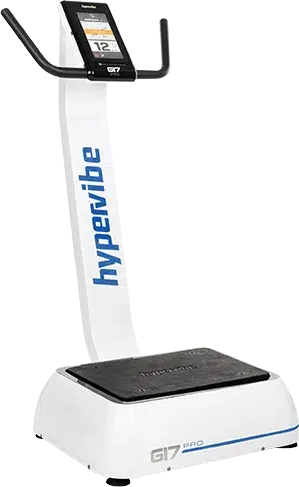
G17 –

Hypervibe G17 Pro V2
  • icon Reduces Body Fat
  • icon Strengthen Muscles, Joints & Bones
  • icon WIFI
  • icon 40 x Therapist Designed Programs
£3,207.50 incl. VAT
Shop Now

FAQs
- What Foods Should I Avoid if I Have Lymphoedema? +

If you have lymphoedema, it’s usually wise to limit high-salt foods, processed meats, deep-fried foods, sugary drinks, heavy desserts, trans-fat snacks, and “detox”/laxative teas.

These patterns promote weight gain, inflammation, and fluid buildup, so they can make swelling harder to control.

- Can Sugar Cause Lymph Nodes to Swell? +

Sugar doesn’t usually make lymph nodes swell directly. Nodes tend to enlarge due to infection, inflammation, or other medical issues.

However, a high-sugar diet can fuel weight gain and chronic inflammation, which indirectly puts more strain on your lymphatic and venous systems.

- Is Coffee Bad for Lymphoedema Patients? +

Moderate coffee (e.g., 1–2 cups of plain coffee or tea per day) is fine for many people with lymphoedema.

Very high caffeine intake, especially in sugary drinks, can disturb sleep, dehydrate you, and raise stress, which may aggravate swelling in some people.

Always follow your clinician’s advice.

- Can Alcohol Worsen Lymphoedema or Swelling? +

Yes. Alcohol can alter fluid balance, stress the liver, dilate blood vessels, and increase inflammation, so it can worsen oedema and lymphoedema for many people.

Most guidelines suggest keeping alcohol low or avoiding it altogether, especially during or after cancer treatment.

- What Foods Help With Lymphatic Drainage? +

Foods that support lymphatic drainage are the same ones that lower inflammation and support a healthy weight: colourful vegetables, fruit, whole grains, beans and lentils, lean proteins, and small amounts of good fats (olive oil, nuts, seeds, and oily fish). There’s no single “lymph drainage food”; it’s the overall pattern that counts.

- Are Dairy and Gluten Bad for My Lymphatic System? +

For most people, dairy and gluten are not automatically “bad” for the lymphatic system. They become an issue if you have an intolerance, allergy, or coeliac disease.

Otherwise, focus on overall balance: choose less processed versions (e.g., natural yoghurt, whole-grain breads) and watch portion sizes rather than banning them outright.

- How Can I Cleanse My Lymphatic System Naturally and Safely? +

The safest way is not an extreme detox but consistent basics: daily movement (walking, gentle strength work, stretching), a mostly whole-food, anti-inflammatory diet, steady hydration, good sleep, and stress management.

For clinical lymphoedema or unexplained swelling, combine these habits with medical care, compression, and therapist-guided treatments rather than DIY cleanses.

Next Steps

No single food, drink, tea, or gadget causes or cures lymphatic problems. Your lymphatic system responds to what you do over weeks and months.

Before you make big shifts to your diet, fluid intake, supplements, or exercise routine, check in with your GP, lymphoedema nurse, or oncology team.

They can help you adapt these ideas safely to your situation.

If you’re curious about tools that make movement easier, Whole Body Vibration (WBV) can sit alongside walking, compression, and physiotherapy as a complementary way to encourage muscle activity, circulation, and lymph flow, particularly for people with joint pain or low energy.

Take a look at the Hypervibe Buyer’s Guide to learn more about how to add WBV to your lifestyle.

By: Gabriel Ettenson, MS, PT

Gabriel Ettenson is a health innovator and consultant specializing in wellness technology and mechanical vibration training. As the Co-Founder of ENS Health, LLC, he played a key role in Hypervibe’s U.S. distribution and education. With a background in physical therapy and product development, he focuses on cutting-edge solutions in rehabilitation and performance training.

Get a summary in:

Top Posts

Learn more about
the benefits of using vibration therapy and our G series vibrations machines.

Hypervibe devices are designed for fitness and exercise purposes only and are not intended for use as medical devices. In the UK, Hypervibe machines are not registered as medical devices and should not be used to diagnose, treat, or prevent any medical conditions. Always consult with a healthcare professional before starting any new exercise program, especially if you have a pre-existing medical condition.

0
Your Cart