Short answer: motor size on its own tells you very little about which vibration machine is better. What matters is the vibration the machine actually delivers (its frequency and acceleration, or G-force) and whether the motor is backed by a solid warranty. For the full checklist, see our vibration plate buyer’s guide.
People often ask us at expos: “your competitor over there says their machine has a 750 Watt motor – what does yours have?” They expect the number to show which machine will last longer and perform better. Motor size does matter, but only to a small degree. Unless you understand the engineering behind the vibration a machine produces (particularly under load), comparing motor sizes is more likely to mislead you than help.
To properly understand the relevance of motor size in a vibration machine, you need to understand that there are:
★ Different motor types driving…
★ Different machine types driven by…
★ Different technologies driving…
★ Platforms of different size and mass
If you really want to know whether a certain size of motor is going to serve you well or if that motor being in one machine makes it better value than another machine with a different size motor – you must consider all four of the above factors. Otherwise, just knowing the motor size is not going to help you compare machines.
In addition to this it is possible for manufacturers to advertise a motor ‘rating’ that can lead you to believe a motor is more powerful than it actually is. And, just like they do with the machine’s performance specifications (Frequency and Acceleration) it is not unheard of for manufacturers to actually advertise ‘false’ motor specifications.
You don’t need to understand the mechanical engineering of vibration machines and their motors. Instead, focus on what really counts: the machine’s vibration frequency and acceleration. Those two factors determine whether you get the health benefits you want.
For a crash course in vibration machine motors, read on.
Motor Types
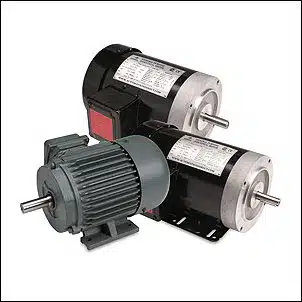
Our professional-use G17 model has a 900W DC motor, whilst our commercial-use Galaxy model has a 550W 3-Phase AC motor. Some of you might realize the significance of that and instinctively know that the 550W AC motor is more powerful than the 900W DC motor. On the other hand, the majority of people wouldn’t be sure, or would just (wrongly) assume that the larger wattage motor is more powerful.

There are also Single-Phase AC motors, and Brushless DC motors, among others. Without understanding the properties of the various motor types, comparing one motor type to another is not going to tell you “which machine is best” and indeed, getting yourself caught up in this topic without all the necessary knowledge allows unscrupulous traders to take advantage of your ignorance and lead you to believe something that is simply not true.
Again – it’s better to focus on the vibration characteristics (Frequency + Acceleration) if you want to know you are getting value for money.
Machine Types
As we explain in vibration machine platform types, that there are two different machine types:
★ Pivotal
★ Lineal
The leverage and mechanisms used to convert the spinning movement of the motor into vibration at the platform is significantly different in each type of machine. Putting the same motor in both machines could result in two different vibration specifications, two different warranties, two different user weight limits etc.
Comparing motors this way would be like comparing motors between an airplane and helicopter.
While they both result in flight, they do so by totally different mechanisms.
Related reading: key features of a good machine, why the best machines are heavy, the G17 Pro.

Here’s how we use a vibration plate for weight loss...

If, a few minutes into your session on the vibration...
Are vibration machines bad for you? Yes, if used incorrectly....

Yes, Vibration Plates or Whole Body Vibration (WBV) platforms, promote...
Most people get the best results using a vibration plate...
When you are choosing the right Whole Body Vibration (WBV) Machine, also known as a Vibration Plate, there are 5...
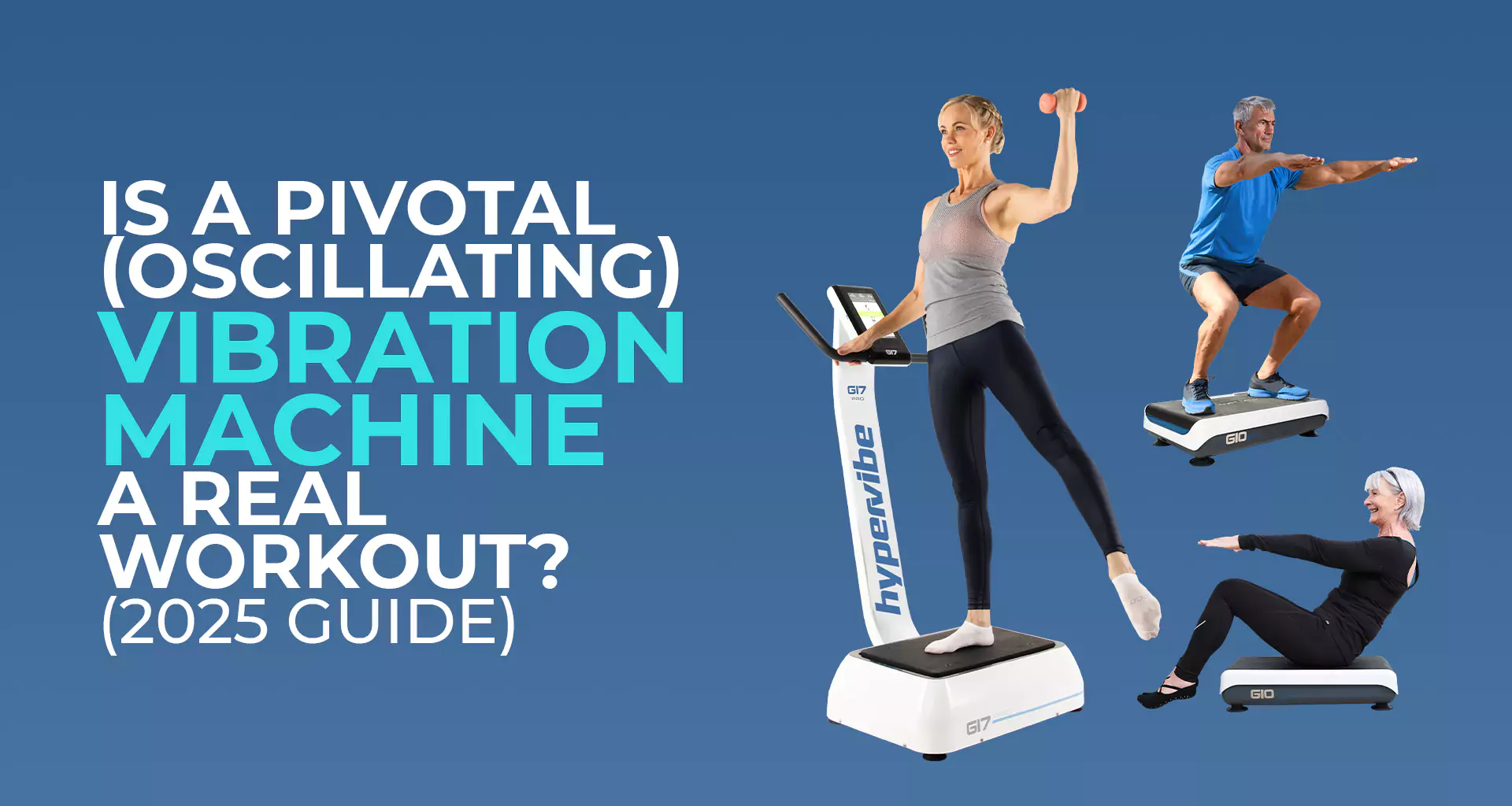
Yes, a Pivotal (Oscillating) Vibration Machine is a real workout. Unlike Lineal (Vertical) Vibration Plates that move straight up and...

This article goes hand-in-hand with How To Choose A Vibration Machine What you are going to learn is that even...
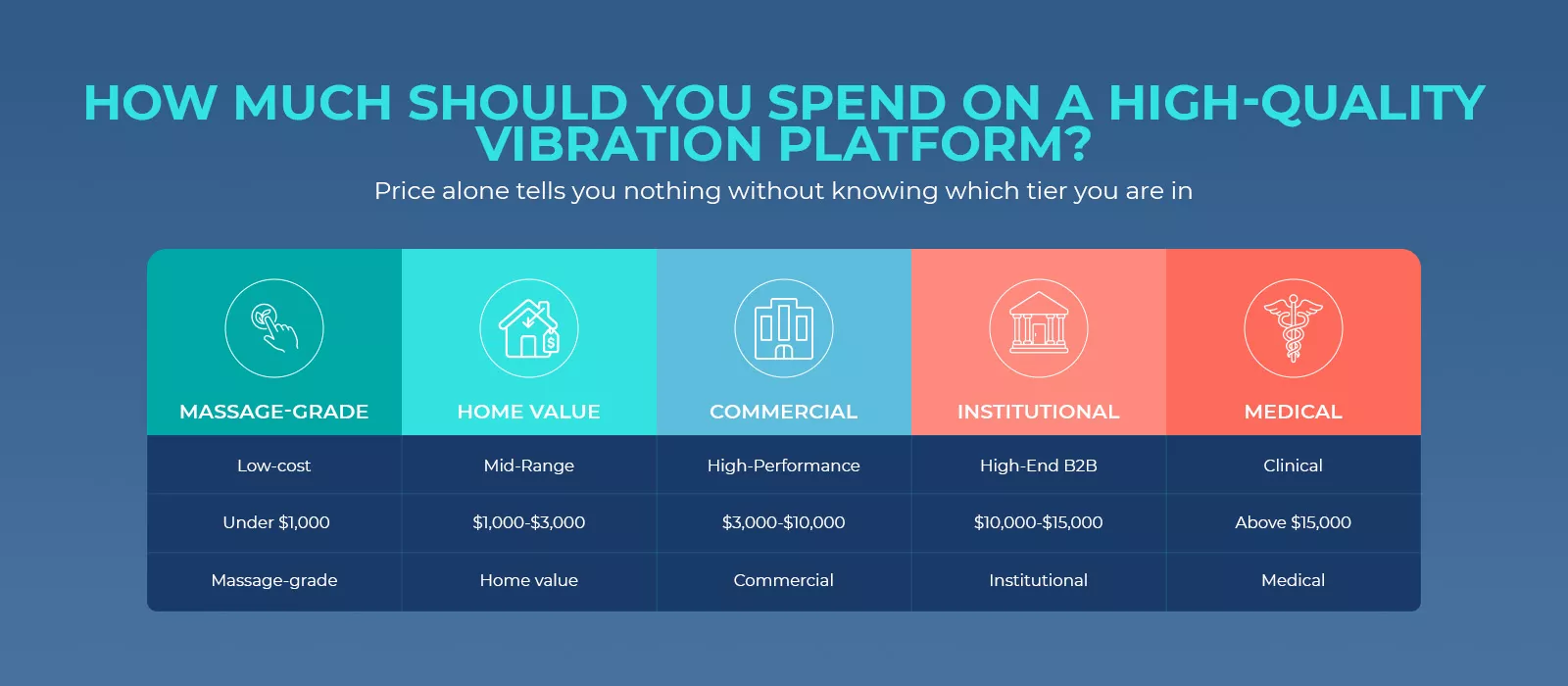
How Much the cost of a vibration platform (also referred to as a vibration plate) can range wildly. At the...

By taking your time to work through these blog articles you are gaining some appreciation for the mechanics, motors and...
Vibration machine prices vary greatly, some brands being quite expensive while others are extremely cheap. This can be confusing for...
Here’s how we use a vibration plate for weight loss...
If, a few minutes into your session on the vibration...
Are vibration machines bad for you? Yes, if used incorrectly....
Yes, Vibration Plates or Whole Body Vibration (WBV) platforms, promote...
Most people get the best results using a vibration plate...